

Overview
As summer begins, prioritize swim safety for children by ensuring adult supervision, teaching water safety rules, and using proper gear like goggles and swim caps. Enroll kids in swimming lessons, create a home safety checklist, prepare for emergencies, and foster respect for water. Enjoy safe water activities and create lasting memories.
Table of Contents
- The Reality of Swim Dangers
- The Importance of Adult Supervision
- Teaching Kids Swim Safety
- Choosing the Right Gear
- Kids Swim Goggles
- Swimming Caps
- Swimming Lessons and Training
- Creating a Home Safety Checklist
- Pool Safety
- Water Safety Rules to Follow
- Emergency Preparedness
- Encouraging Respect for Water
- Fun Alternatives to Traditional Swimming
- Making Lasting Memories While Staying Safe
Key Takeaways
- Adult Supervision is Crucial: Always have a responsible adult designated as a "Water Watcher" to supervise children while swimming.
- Teach Swim Safety Rules: Educate children on swimming with a buddy, avoiding drains, and entering shallow water feet first.
- Invest in Proper Swim Gear: Equip children with swim goggles and caps to enhance comfort and safety in the water.
- Enroll in Swimming Lessons: Professional lessons help children learn essential skills and build confidence in the water.
- Create a Home Safety Checklist: Implement pool safety measures such as a secure fence and accessible lifesaving equipment.
- Prepare for Emergencies: Learn CPR, establish an emergency plan, and teach children how to call for help if needed.
- Encourage Respect for Water: Instill an understanding of water safety and the importance of recognizing personal swimming abilities.
As summer approaches and swimming season kicks into gear, ensuring safety in and around water becomes paramount for parents and guardians. Swimming is not just a fun activity; it is an essential life skill that children must learn. However, with great joy comes responsibility, especially when it comes to ensuring the safety of our little swimmers. In this blog post, we delve into the importance of swim safety, providing you important information, tips, and guidance to keep your kids safe while they enjoy the water.
The Reality of Swim Dangers
Water can be both a source of fun and a potential hazard. According to the US Centers for Disease Control and Prevention, drowning is one of the leading causes of unintentional death in children aged 1-4 years. These statistics highlight the critical need for swim safety education. It is vital to understand that swim safety is not just a singular event but a continuous process that involves supervision, education, and proper gear.
The Importance of Adult Supervision
One of the most important aspects of swim safety is adult supervision. Never underestimate the importance of having an attentive adult present when kids are swimming, regardless of their swimming ability. Even if your children are swimming in a shallow pool, an adult should always be watching closely.
- Designate a “Water Watcher” who is responsible for supervising kids at all times.
- Limit distractions by keeping phones put away and focusing solely on the children.
- Rotate supervision among adults to ensure that no one gets fatigued.
Teaching Kids Swim Safety
Educating children about swim safety is crucial. Teaching them the rules of the pool and open water can significantly lower their risk of danger. Here are some vital points to cover with your child:
- Always swim with a buddy – never swim alone.
- Keep away from pool drains and suction fittings.
- Be aware of the depth of the water and always enter feet first in shallow areas.
- Understand and follow pool rules and signage.
Remember, the earlier children learn about water safety, the more prepared they will be as they grow older. If they are equipped with knowledge about safe swimming practices, they will be better prepared to enjoy their swimming experience while minimizing risks.
Choosing the Right Gear
As important as supervision and education are, the right swimming gear can enhance safety further. Swim gear is not only vital for fun; it also plays a significant role in providing a secure swimming experience. Here are must-have items that every child should wear when swimming:
Kids Swim Goggles
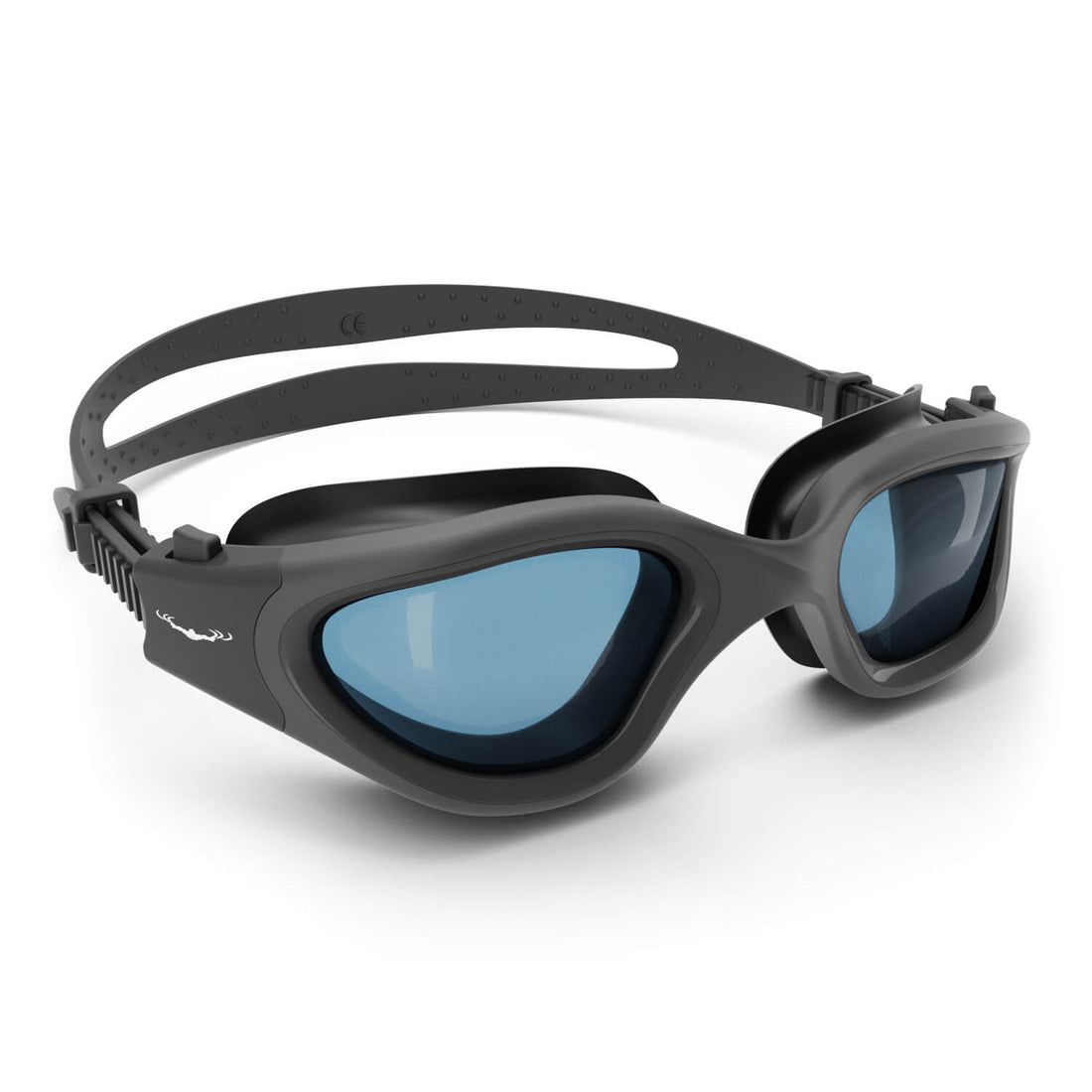
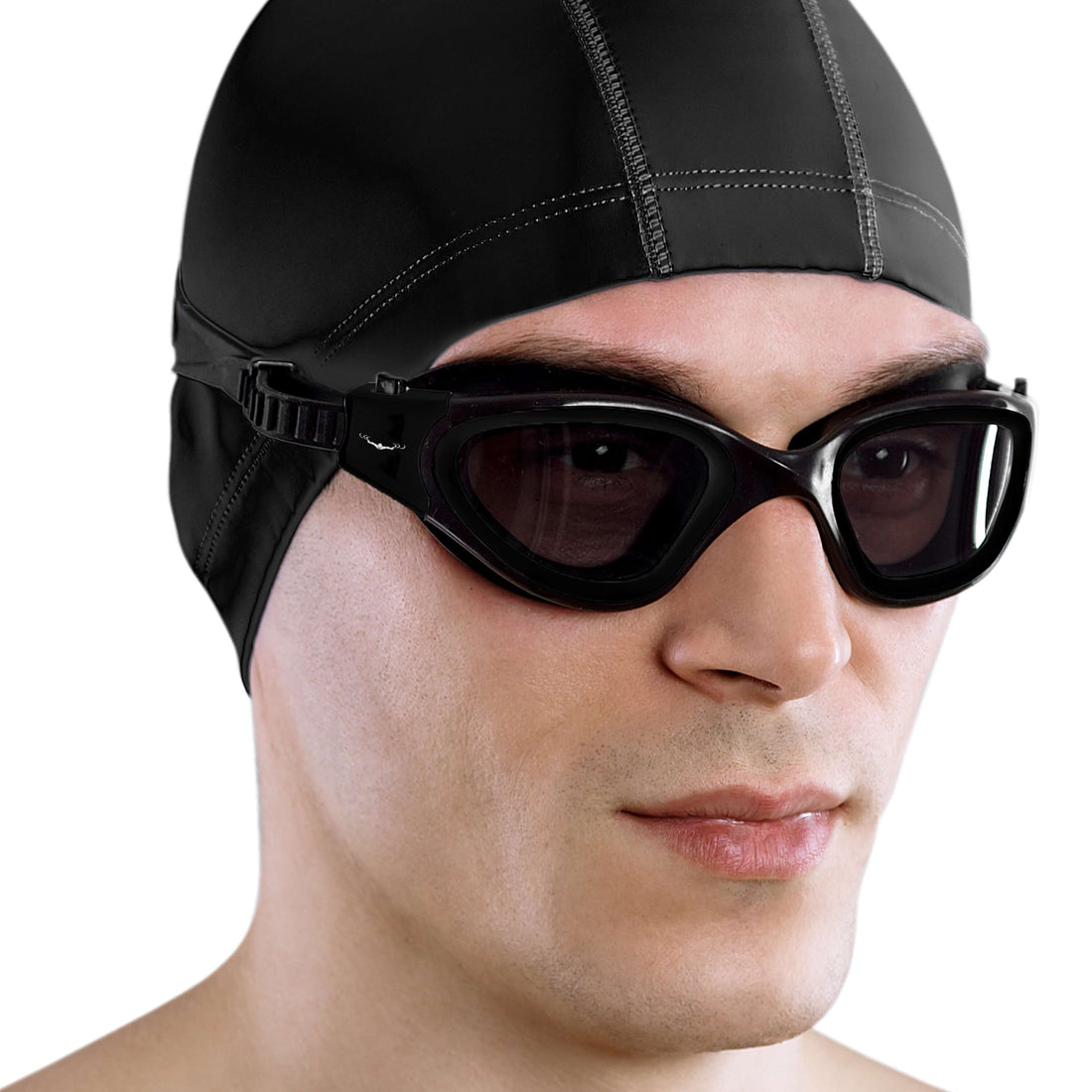
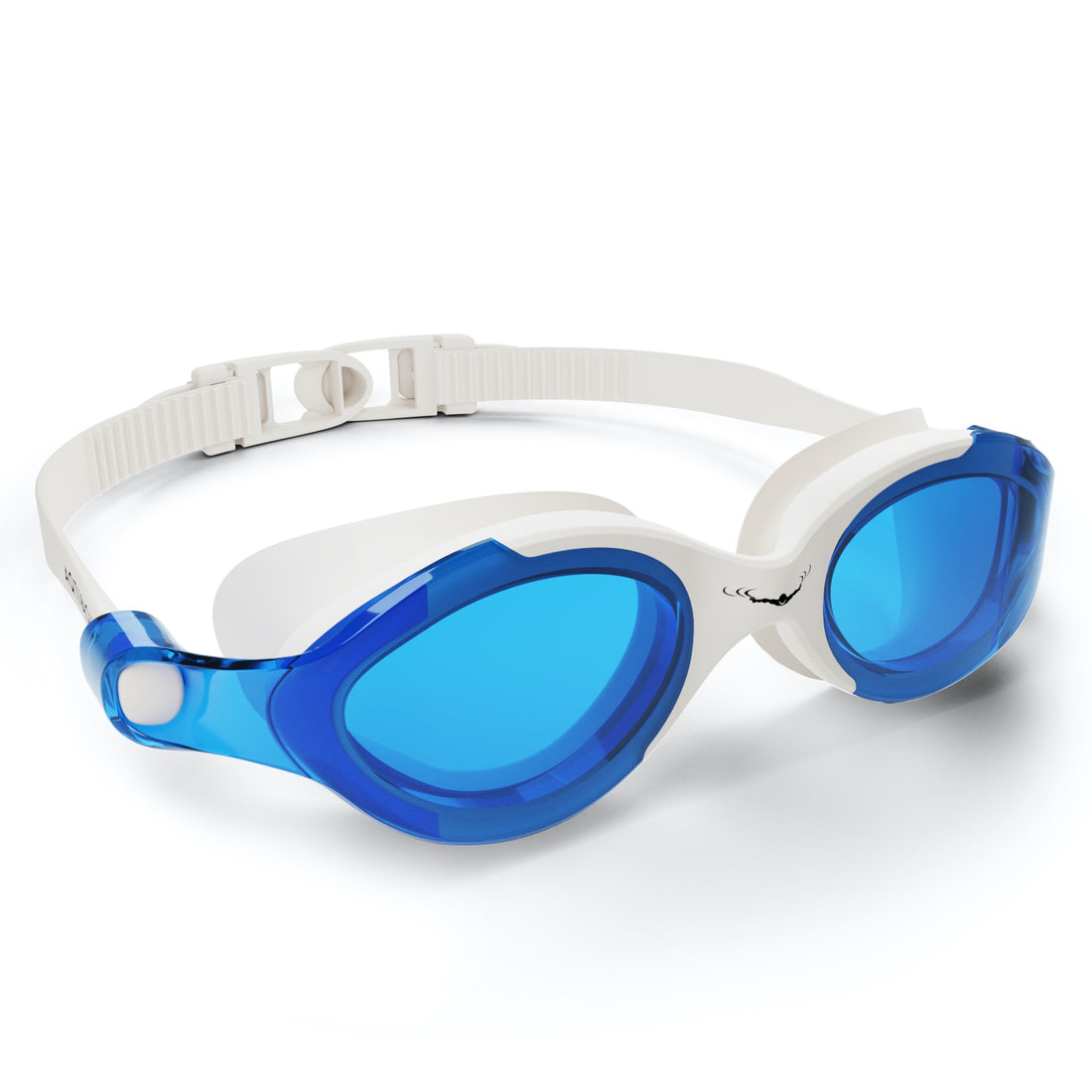
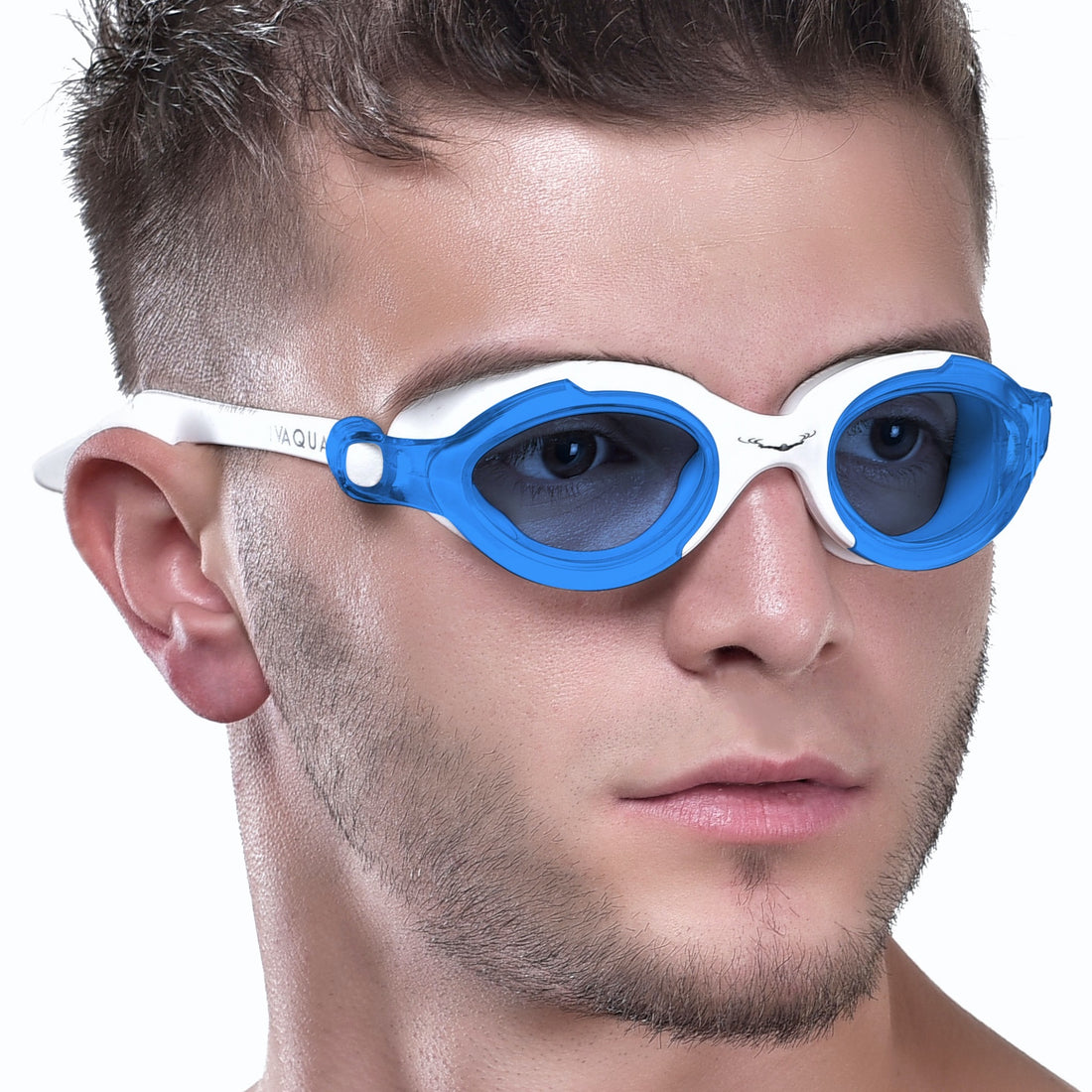
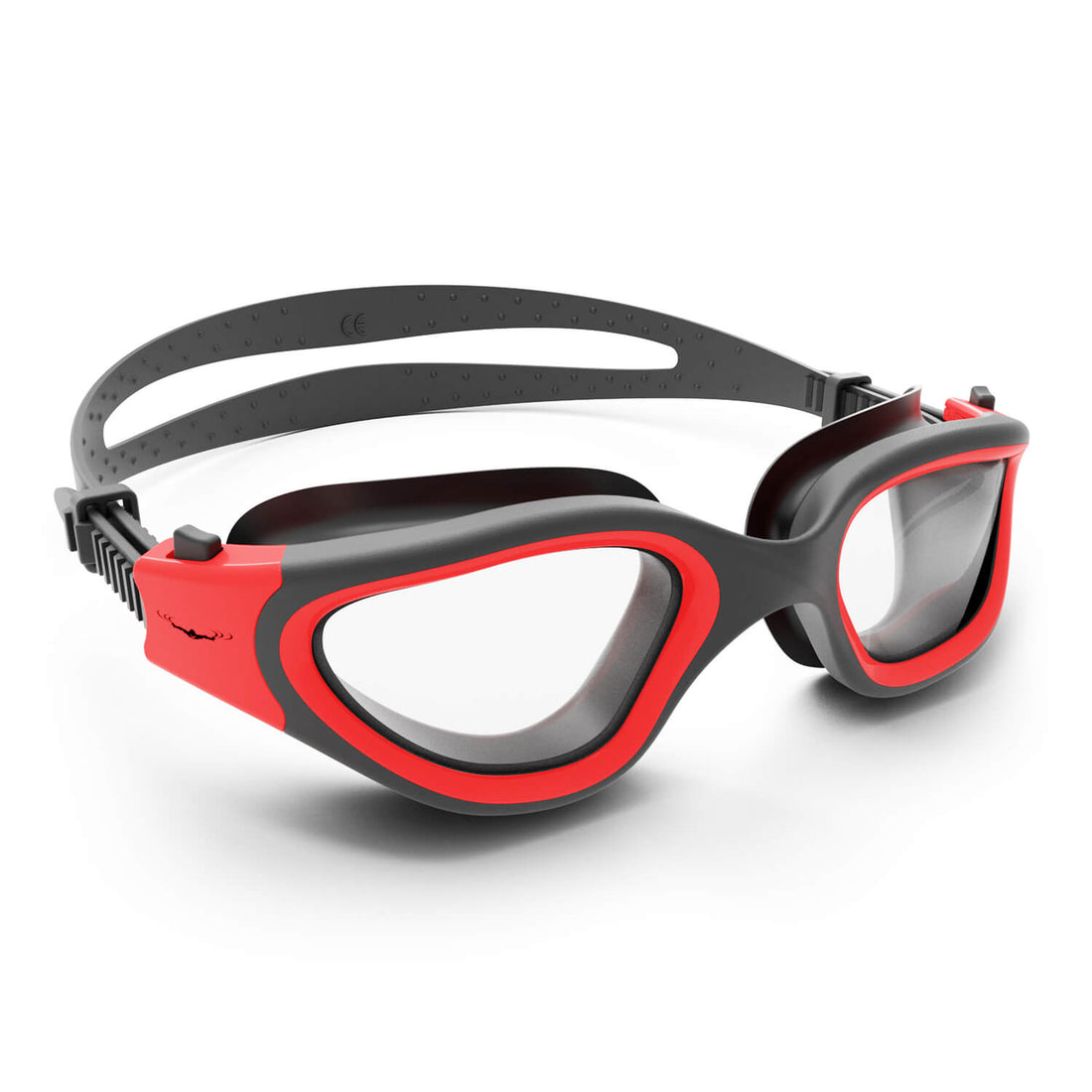
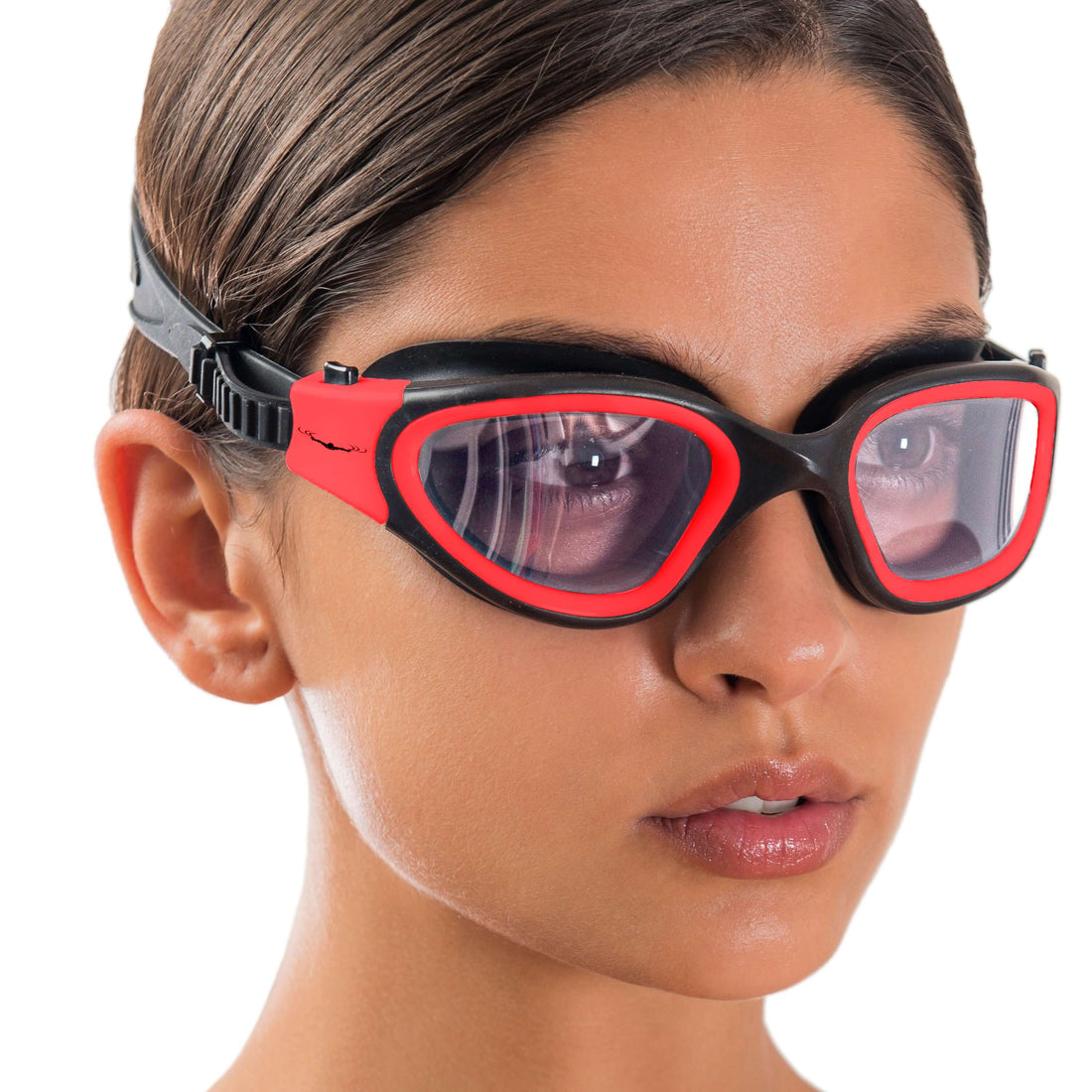
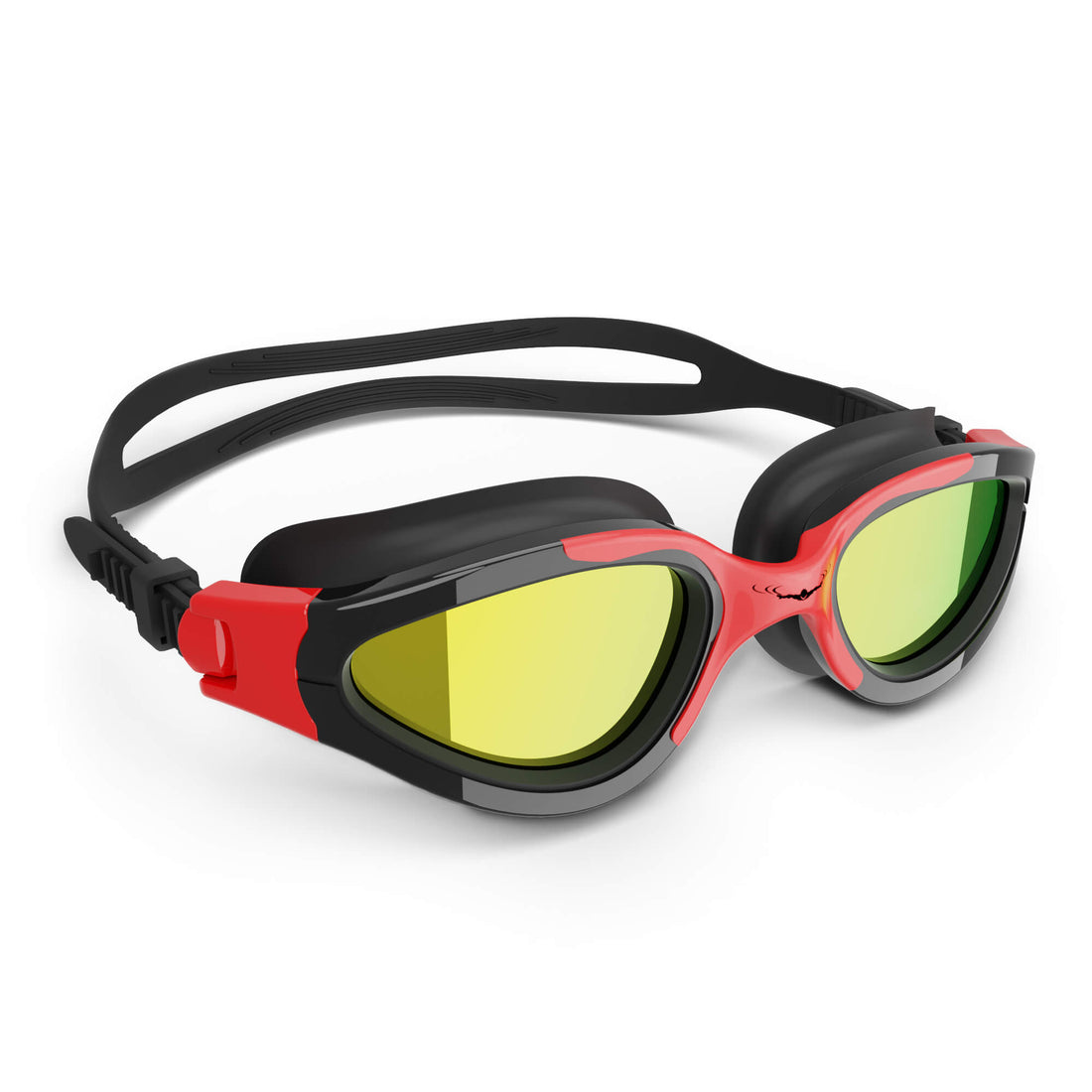
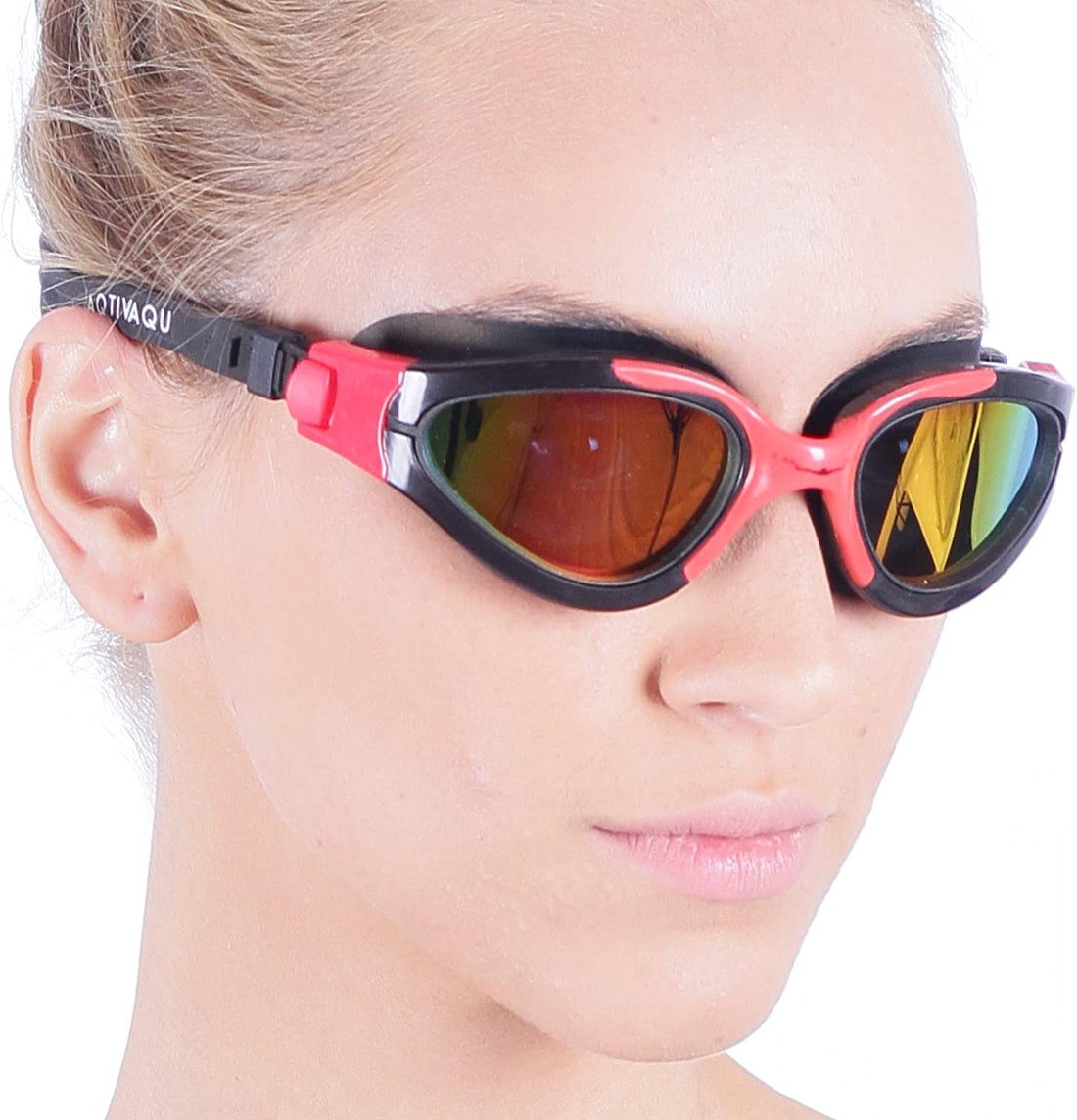
Kids swim goggles are essential for protecting children's eyes from chlorine and improving their visibility underwater. Encourage your kids to wear goggles to enhance their swimming experience. Goggles can help children feel more comfortable in the water, allowing them to explore and enjoy swimming without the irritation caused by pool chemicals. Here are some tips regarding kids swim goggles:
- Choose the right fit: Ensure that the goggles fit snugly to avoid leaks.
- Look for anti-fog options: Anti-fog coatings can improve visibility.
- Encourage proper care: Teach children how to rinse their goggles after use and store them in a cool, dry place.
Swimming Caps
Swimming caps are another excellent addition to your child's swim gear. They help keep hair out of the face, which is essential for unhindered visibility while swimming. They also help protect hair from the damaging effects of chlorine. Here are some benefits of using swimming caps:
- Reduces drag: Swimming caps are designed to minimize drag, allowing kids to move swiftly through the water.
- Encourages hygiene: Caps can help keep pools cleaner by preventing loose hair from flowing into the water.
- Fun and stylish: Many swimming caps come in bright colors and fun designs, sparking excitement for kids to wear them!
Swimming Lessons and Training
Swimming lessons are one of the best investments you can make for your child's safety. While some kids may naturally take to the water, others may need a bit more encouragement and training. Here are several benefits of enrolling your child in swimming lessons:
- Structured Learning: Professional instructors teach kids proper breathing techniques, strokes, and safety measures.
- Confidence Building: Learning to swim can significantly boost a child's confidence in and around water.
- Social Interaction: Group lessons allow children to interact with peers, making learning to swim a fun and engaging experience.
Look for local swimming programs that focus on swim safety and skill development. Remember, swimming skills are a gift that can last a lifetime, providing children with both joy and safety while they enjoy the water.
Creating a Home Safety Checklist
Implementing a safety checklist at home can help solidify the swim safety measures you've taught your children. Here are some essential points to consider:
Pool Safety
- Install a pool fence that is at least 4 feet high with a self-closing, self-latching gate.
- Make sure pool drains are compliant with safety regulations to prevent entrapment.
- Keep lifesaving equipment, like a floatation device and a reaching pole, accessible.
Water Safety Rules to Follow
- Establish rules about who can swim and when they can swim at home and in public pools.
- Set specific areas for swimming and swimming activities.
- Encourage kids to stay away from the deep end unless they are capable swimmers.
Emergency Preparedness
Even with all precautions, accidents can still happen. Being prepared can make all the difference. Make sure to:
- Learn CPR and first aid—these skills can be lifesaving in emergencies.
- Create an emergency plan that includes who to contact for help in case of an accident.
- Ensure your children know how to call for help if they notice someone in trouble.
By developing a comprehensive emergency response plan, you will create a safer swimming environment for your children and be prepared in case something goes awry.
Encouraging Respect for Water
It's essential to teach children to respect water. This respect can stem from an understanding of the elements, confidence in their skills, and a thorough knowledge of safety practices. Encourage your kids to:
- Recognize that water can be unpredictable and potentially dangerous.
- Understand their swimming abilities and limitations.
- Communicate openly about any fears they may have regarding swimming.
By developing respect for water from an early age, you'll instill a sense of safety conscious behavior that can last a lifetime.
Fun Alternatives to Traditional Swimming
If you're looking for some engaging alternatives to traditional swimming that still prioritize safety, consider these exciting options:
- Water Aerobics: Fun for all ages, this low-impact workout can be a great way to introduce kids to water activities while focusing on health and safety.
- Water Sports: Engage in activities like paddleboarding or kayaking, which can be safer, especially when done in calm, monitored environments.
- Backyard Water Play: Set up sprinklers or inflatable pools, where kids can engage in water play while remaining safe under direct supervision.
These alternatives can be a perfect way to enjoy water without engaging in traditional swimming, ensuring your children remain safe while having fun!
Making Lasting Memories While Staying Safe
Ultimately, swim safety is not just about restrictions; it’s about ensuring fun, education, and lifelong enjoyment of water activities. The right knowledge, gear, and preparation can turn potentially unsafe scenarios into lasting memories that your children will cherish forever. So get those kids swim goggles and swimming caps ready, and make a splash this summer—just do it safely!
Frequently Asked Questions
1. Why is swim safety important for children?
2. What should parents do to supervise children while swimming?
3. What gear should children wear for safe swimming?
4. How can swimming lessons contribute to child safety?
5. What emergency preparedness steps should be taken for swimming safety?
Glossary
| Term | Meaning |
|---|---|
| Swim Safety | Practices to prevent drowning and injuries while swimming. |
| Water Watcher | An adult designated to supervise children in the water. |
| Swimming Goggles | Eyewear that protects eyes from chlorine and improves visibility. |
| Swimming Caps | Caps that keep hair out of the face and reduce drag in water. |
| Swimming Lessons | Structured classes teaching children how to swim safely. |
| Emergency Preparedness | Planning and training for potential water-related emergencies. |
| Pool Safety Checklist | A list of safety measures to implement around pools. |
| Respect for Water | Understanding the dangers and unpredictability of water. |
| Backyard Water Play | Safe water activities like sprinklers and inflatable pools. |
| Water Sports | Activities like paddleboarding that promote fun and safety. |
Linked Product

DX-MINI Kids Swim Goggles
The DX-MINI Kids Swim Goggles feature impact-resistant polycarbonate lenses that provide leak- and fog-free 180° vision, ensuring a clear view for underwater exploration. With a comfortable, no-pressure silicone seal and an anti-slip strap, these goggles stay securely in place during active play. Available in vibrant colors that appeal to kids, they make swim time more enjoyable while offering 100% UV400 protection for added safety.
View Product