

Overview
Swimming is more than a sport; it's about technique and enjoyment. Key tips include maintaining a streamlined body position, mastering breathing techniques, and choosing the right swim goggles. Focus on refining your strokes (freestyle, breaststroke, backstroke) and enhancing your kicks for better propulsion. Use swim tools for training, listen to your body for recovery, and consider video analysis to improve. Cultivate a positive mindset and set achievable goals to unlock your full swimming potential.
Table of Contents
- The Basics of Good Swim Technique
- Body Position
- Breathing Technique
- The Importance of Swim Goggles
- Why Choose the Right Goggles?
- Streamline Your Stroke
- Freestyle Stroke Technique
- Breaststroke Technique
- Backstroke Technique
- Enhancing Your Kicking Technique
- What’s a Good Kick?
- Use Swim Tools
- Listen to Your Body
- Stretching and Recovery
- Utilizing Swim Ear Bands
- Benefits of Swim Ear Bands
- Video Analysis
- Why Use Video Analysis?
- Cultivating a Positive Mindset
- Set Achievable Goals
- Stay Consistent
- Unlock Your Full Potential
Key Takeaways
- Body Position: Maintain a streamlined body position by keeping your head in line with your spine and engaging your core to reduce drag.
- Breathing Technique: Practice bilateral breathing to improve balance and ensure you breathe deeply but quickly to maintain momentum.
- Swim Goggles: Invest in quality swim goggles that fit snugly and offer anti-fog and UV protection for better visibility and comfort.
- Stroke Techniques: Focus on mastering the specific techniques for freestyle, breaststroke, and backstroke to enhance your overall efficiency.
- Kicking Technique: Develop a consistent and rhythmic kick from the hips to improve propulsion and stability in the water.
- Recovery and Stretching: Incorporate dynamic stretching before swimming and static stretching afterward to enhance flexibility and aid recovery.
- Video Analysis: Utilize video analysis to review your strokes and receive feedback, helping you identify areas for improvement.
Swimming is not just a sport; it’s a lifestyle. Whether you’re a novice or an experienced swimmer, improving your swim technique can enhance your performance, reduce fatigue, and make your time in the water more enjoyable. In this blog post, we’ll discuss various swimming tips to help you refine your technique. From the importance of swim goggles to the use of swim ear bands, we’ll cover everything you need to know to elevate your swim game.
The Basics of Good Swim Technique
A solid foundation in swim technique is crucial for every swimmer. Proper technique ensures that you can swim efficiently and with minimum effort, maximising your speed and endurance.
Body Position
The way your body is aligned in the water affects your speed and drag. A streamlined body position minimizes resistance, allowing for quicker swims. Aim to keep your body as flat as possible, similar to a torpedo. Here are some tips for achieving an optimal body position:
- Keep your head in line with your spine. Your gaze should be directed downwards.
- Engage your core to maintain a straight line from your head to your feet.
- Utilize a flutter kick to help stabilize your body and keep your hips near the water's surface.
Breathing Technique
Breathing is a significant component of swimming. Proper breathing will enable you to take in optimal amounts of air while maintaining your stroke rhythm.
- Breathe deeply but quickly to avoid losing momentum.
- Practice bilateral breathing to achieve balance in your stroke.
- Incorporate a routine that allows you to alternate sides while breathing.
The Importance of Swim Goggles
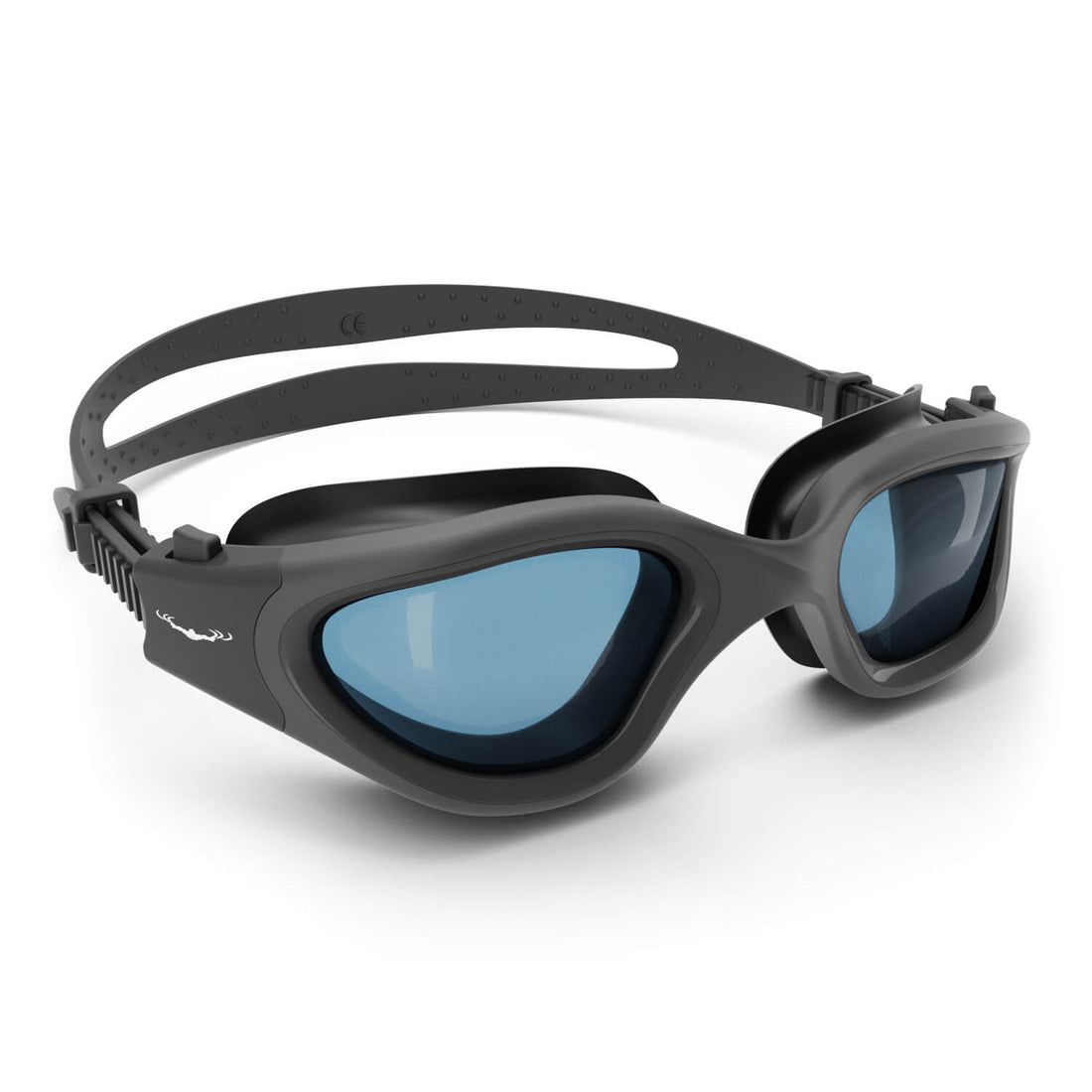
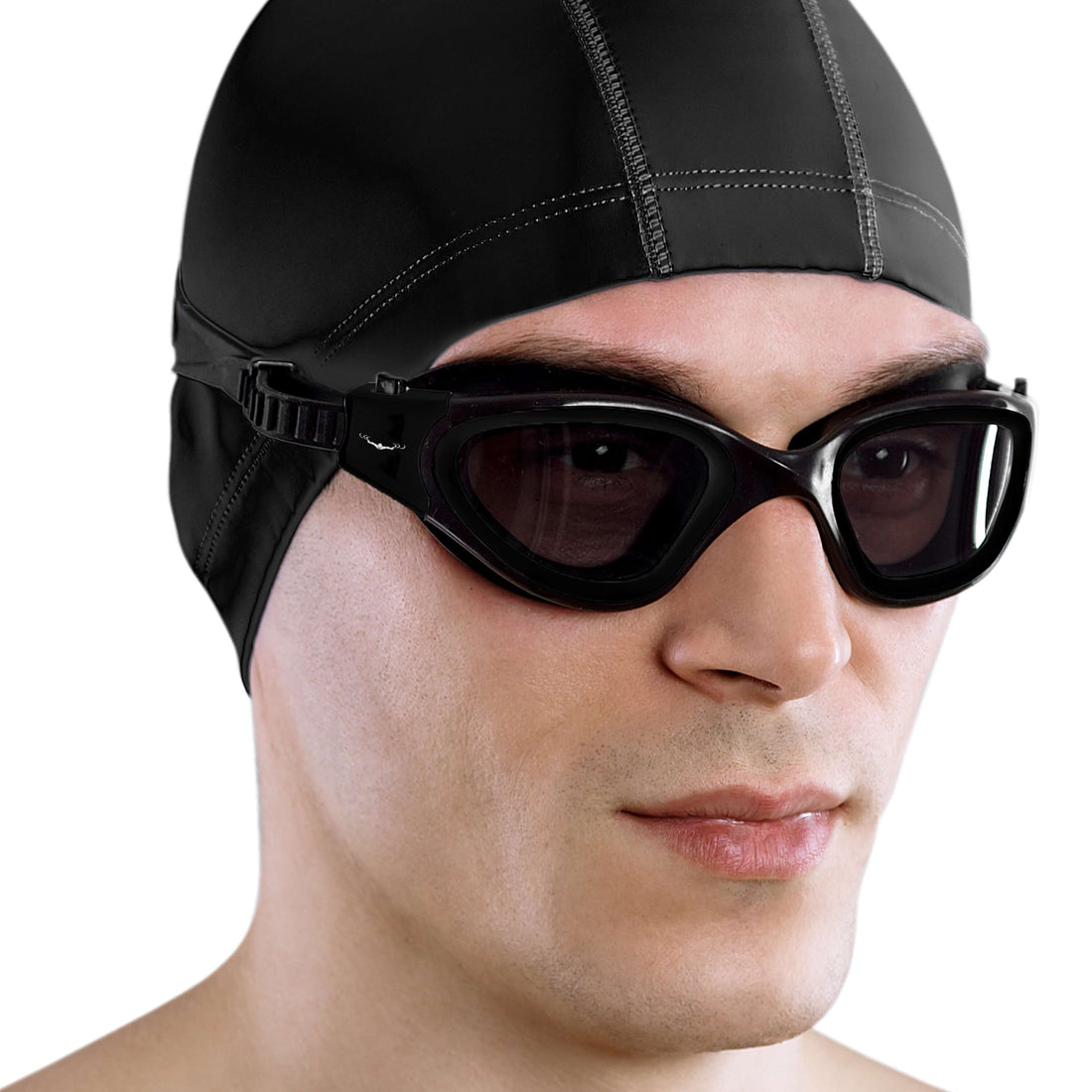
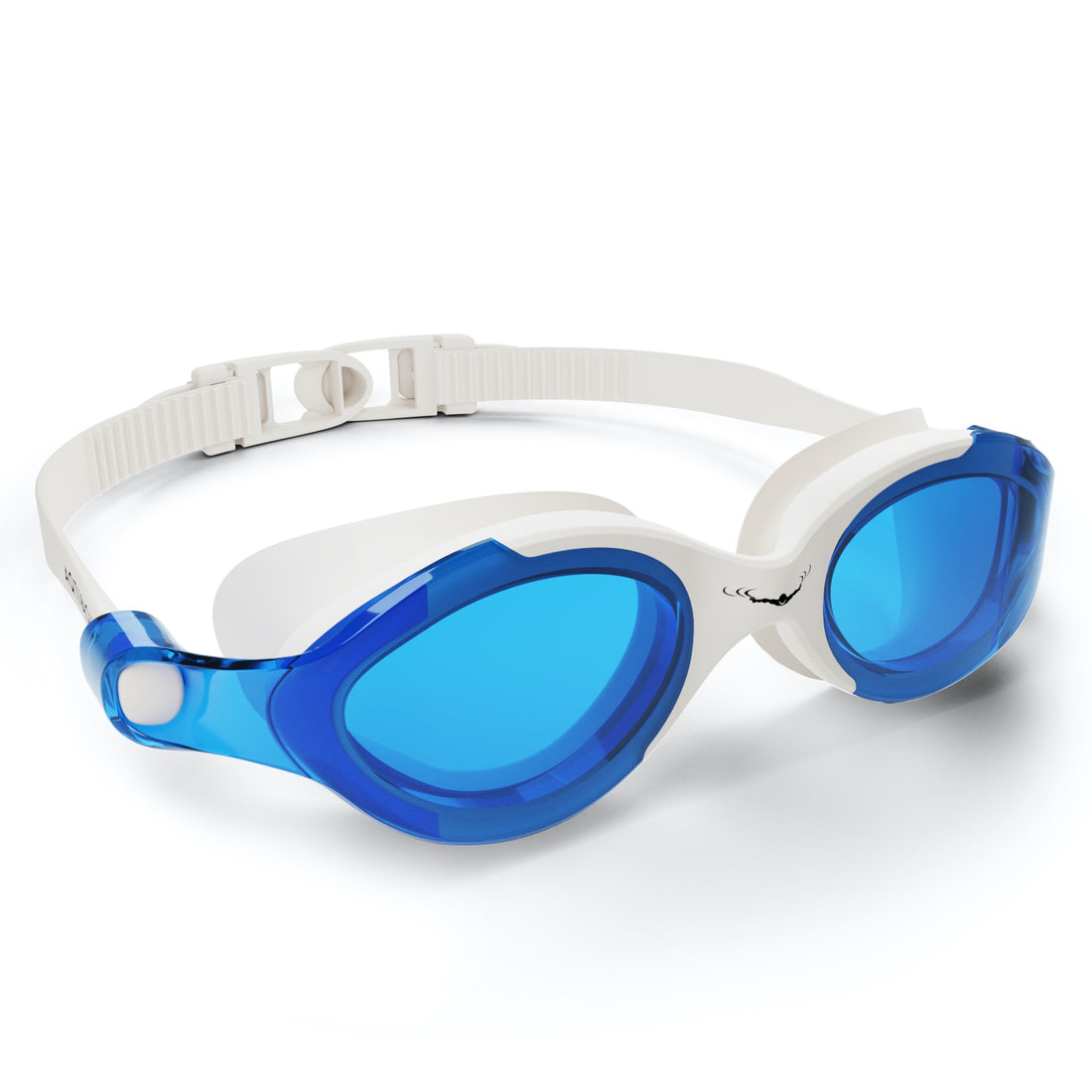
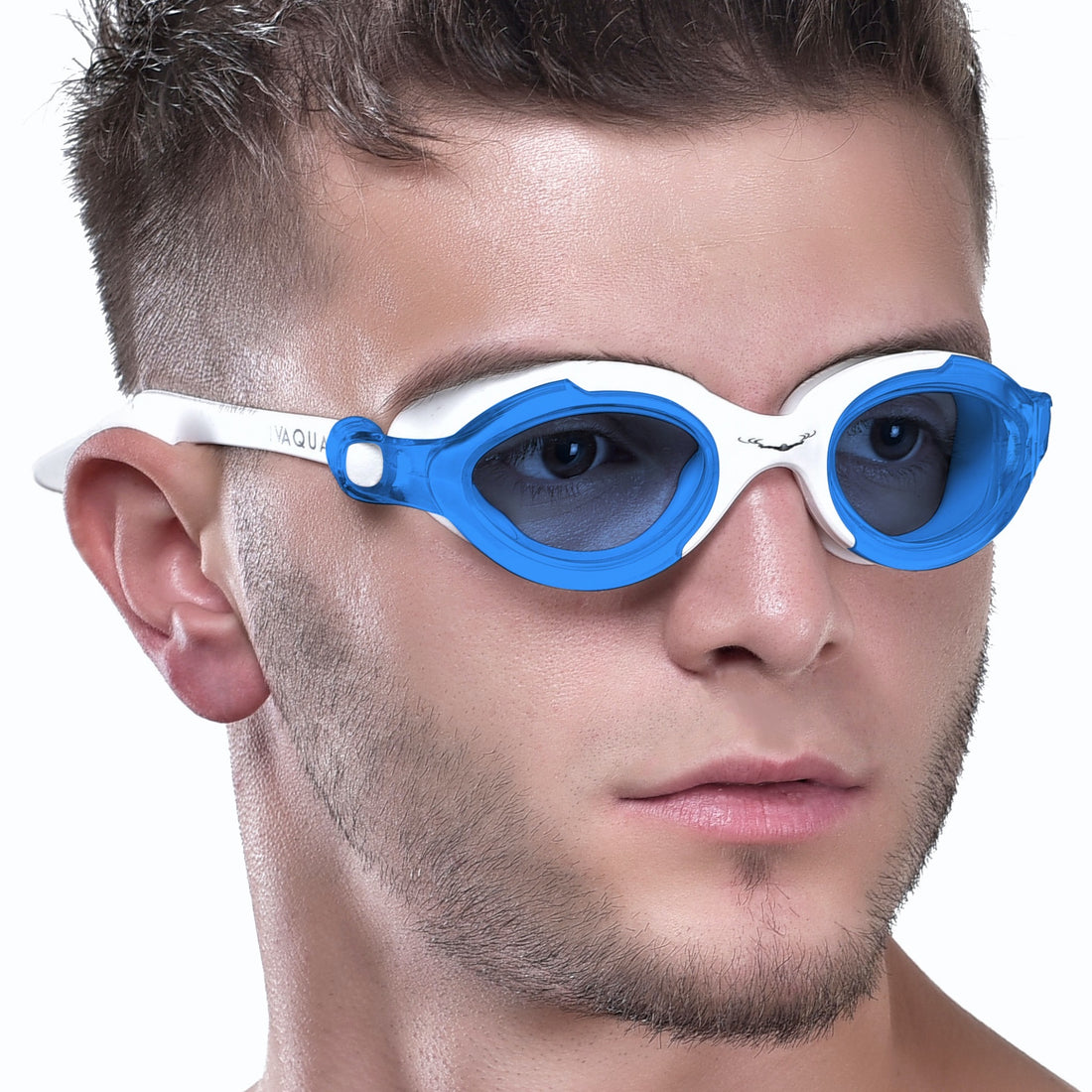
Swim goggles are essential equipment when it comes to swimming efficiently. Not only do they protect your eyes from chlorine and other chemicals in the water, but they also help improve your swim technique.
Why Choose the Right Goggles?
Wearing the correct type of swim goggles can significantly enhance your swimming experience:
- Choose goggles that fit snugly but comfortably to reduce drag.
- Anti-fog and UV protection features are crucial for clarity and safety.
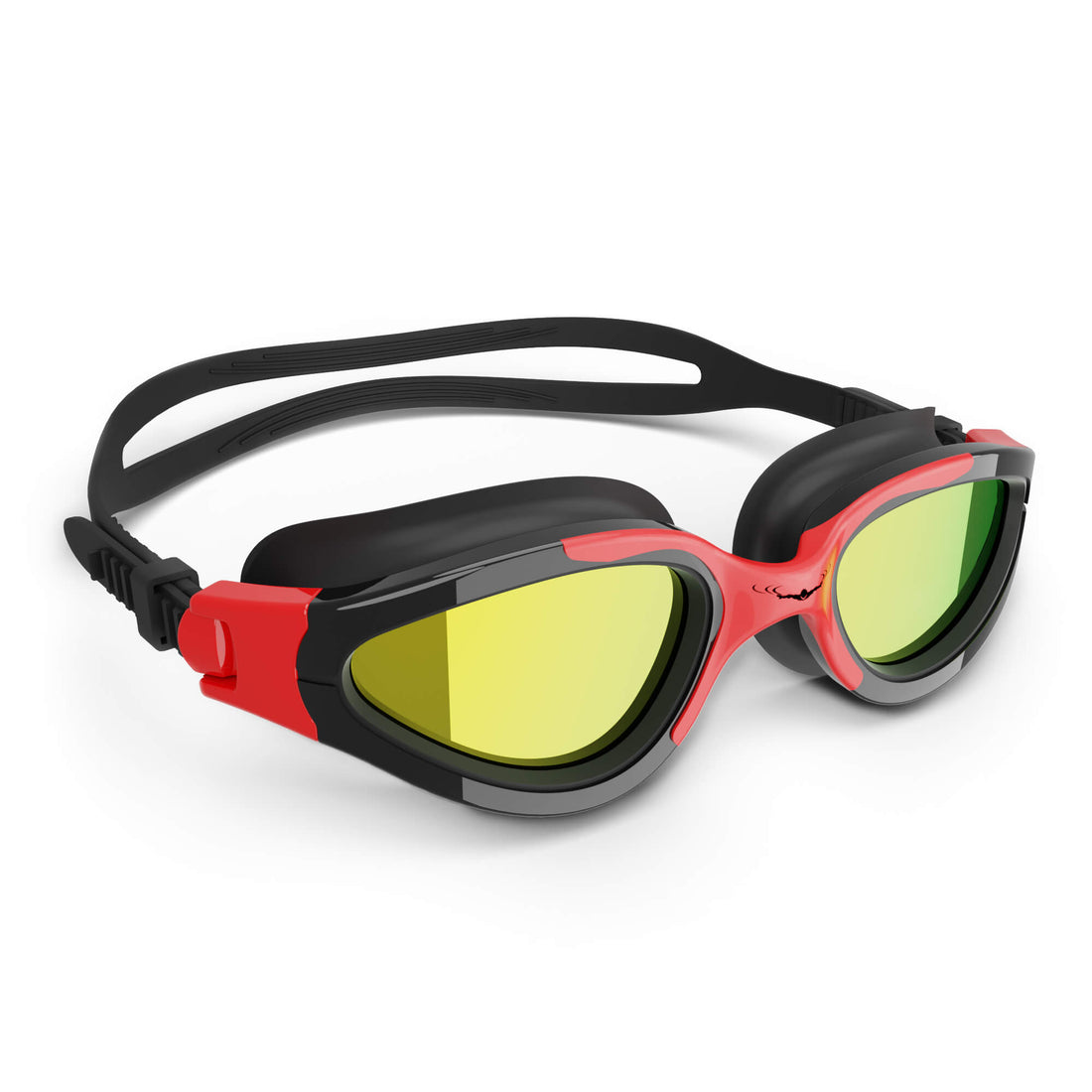
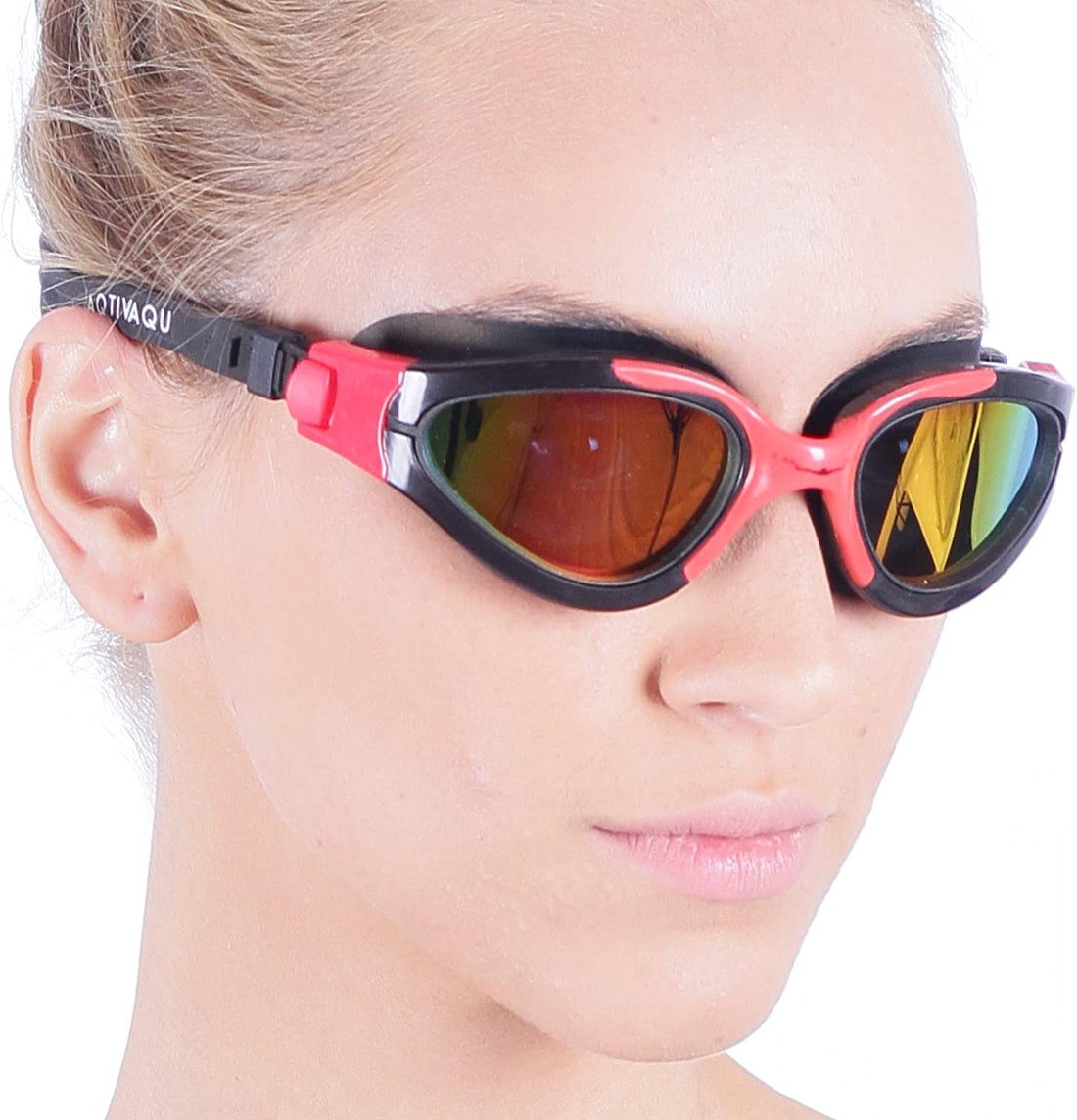
- Consider tinted lenses for outdoor swimming to protect against harsh sunlight.
Investing in a good pair of swim goggles will allow you to see clearly while you focus on your technique, enhancing your overall performance.
Streamline Your Stroke
Executing the perfect stroke is integral to improving your swim technique. Each swimming stroke requires different forms and techniques. Below, we’ll explore the key aspects to focus on for the three main strokes: freestyle, breaststroke, and backstroke.
Freestyle Stroke Technique
The freestyle stroke is the fastest and most efficient swimming style, making it essential to master:
- Keep your arms extended and rotate your body along your spine.
- Use a high elbow catch and pull, bringing your hand below your body’s surface.
- Implement a two-beat kick for better propulsion.
Breaststroke Technique
Breaststroke is often seen as one of the more leisurely strokes but requires precision for speed:
- The arms should execute a wide, circular motion while your legs perform a frog kick.
- Ensure you stretch your arms fully in front of you while gliding after each arm pull.
- Keep your head relaxed and positioned low, breathing only as you pull your arms back.
Backstroke Technique
Backstroke is unique because it’s the only stroke swum on your back:
- Utilize a streamlined body position with a slight lift in the hips.
- Perform a flutter kick while alternating your arms back and forth.
- Breathe continuously and fluidly to maintain momentum.
Enhancing Your Kicking Technique
Many swimmers underestimate the importance of kicks. Strong kicks contribute significantly to overall speed and stability in the water.
What’s a Good Kick?
A good kick should be:
- Consistent and rhythmic, maintaining a steady tempo throughout your swim.
- Small and quick rather than large and slow; this reduces drag.
- Executed from the hips down rather than from the knees to ensure a more effective propulsion.
Use Swim Tools
Consider incorporating swim-specific tools like kickboards and fins into your training. Kickboards can help isolate your kicking technique, providing a great workout for your legs. Fins, on the other hand, can enhance your propulsion and force you to work harder in the water.
Listen to Your Body
Swimming is a demanding sport, and it’s essential to appreciate the importance of recovery:
- If you experience pain or discomfort, take the time to rest and assess your technique.
- Adjust your technique based on physical feedback; if something feels off, seek guidance from a coach.
Stretching and Recovery
Incorporate dynamic stretching before swimming to prepare your muscles and static stretching afterward for recovery. It can alleviate minor aches and enhance flexibility, crucial for maintaining a sleek swimming profile.
Utilizing Swim Ear Bands
Swim ear bands are another vital piece of equipment, especially for those who may experience discomfort or infections due to water exposure.
Benefits of Swim Ear Bands
Using swim ear bands can:
- Help keep water out of your ears, reducing the risk of swimmer's ear.
- Improve comfort levels when swimming; if you frequently switch strokes, this can be a game changer.
- Allow you to focus on enhancing your technique without the distraction of water in your ears.
Video Analysis
Taking your swimming technique to the next level may involve examining your performance through technology:
Why Use Video Analysis?
Video analysis is a powerful tool for swimmers:
- It allows you to see your strokes from different angles and make refinements.
- A coach can offer insights you may not have noticed while swimming.
- Regular reviews can track your progress and motivate you to improve.
Cultivating a Positive Mindset
Finally, all the techniques and tools in the world won’t help if your mindset isn’t right. Cultivating a positive and determined mindset is vital for success.
Set Achievable Goals
Whether it's improving your lap times or mastering a new stroke, setting specific, measurable goals will keep you motivated and focused.
Stay Consistent
Consistency is key in swimming. Establish a regular practice schedule that balances technique and endurance. This will lead to long-term improvements and help you build confidence in the water.
Unlock Your Full Potential
Improving your swimming technique is a rewarding journey that requires dedication, practice, and the right mindset. With the help of essential tools like swim goggles and swim ear bands, along with a focus on technique, you can significantly enhance your performance. So, get out there, put these tips into practice, and unlock your full swimming potential!
Frequently Asked Questions
1. Why is swim technique important for swimmers?
2. What are some tips for achieving a good body position in the water?
3. Why should I invest in quality swim goggles?
4. How can I improve my kicking technique in swimming?
5. What role do swim ear bands play in swimming?
Glossary
| Term | Meaning |
|---|---|
| Swim Technique | Methods to improve efficiency and performance in swimming. |
| Body Position | Alignment in the water that affects speed and drag. |
| Breathing Technique | Methods to inhale while maintaining stroke rhythm. |
| Swim Goggles | Protective eyewear that enhances visibility and comfort in water. |
| Freestyle Stroke | The fastest swimming style, emphasizing body rotation and arm extension. |
| Breaststroke | A leisurely stroke requiring precise arm and leg coordination. |
| Backstroke | A unique stroke swum on the back, utilizing a flutter kick. |
| Swim Ear Bands | Equipment to keep water out of ears, improving comfort. |
| Video Analysis | Using technology to review and improve swimming performance. |
| Mindset | A positive attitude essential for success in swimming. |
Linked Product

DX Wide View Swim Goggles + SHOCK Protective Case
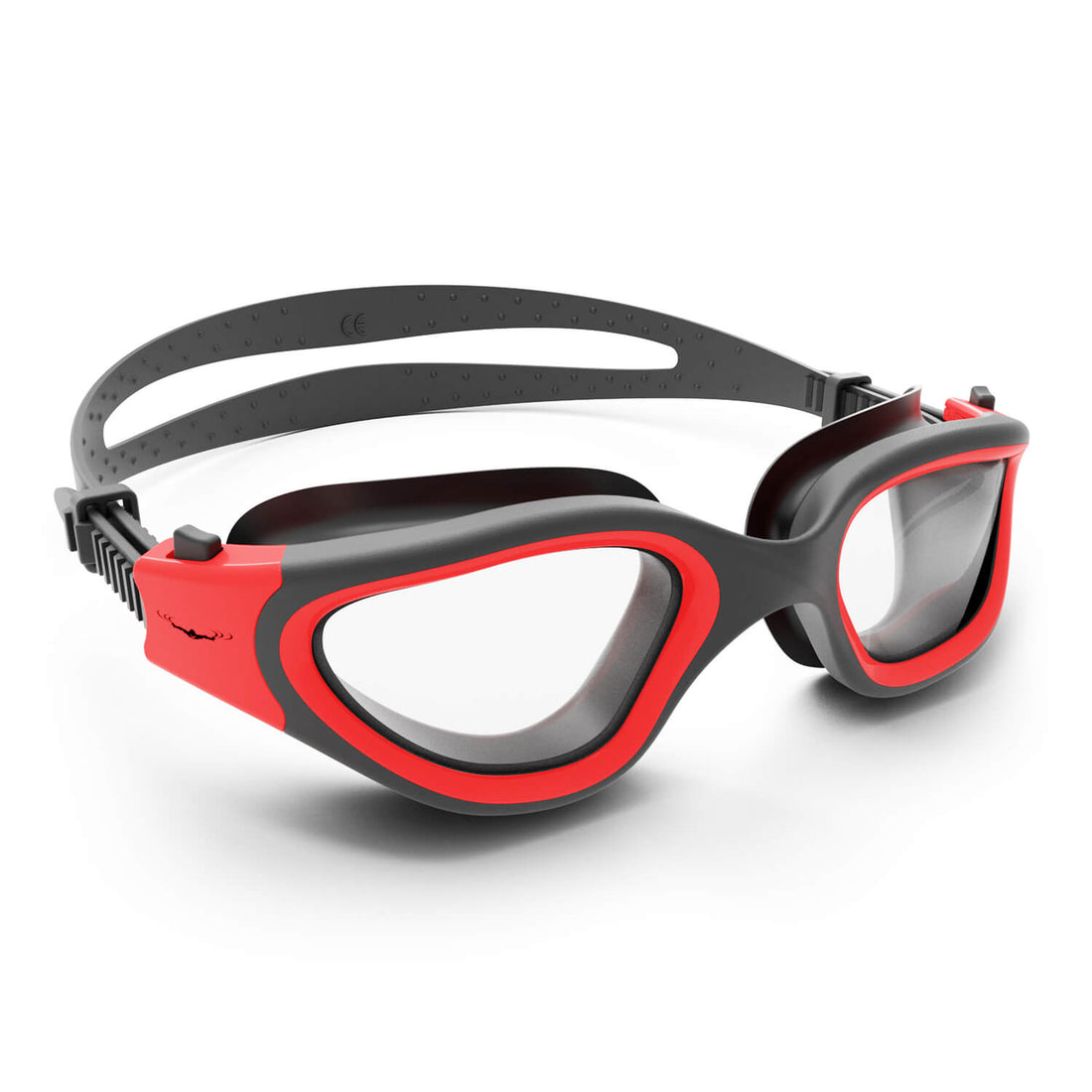
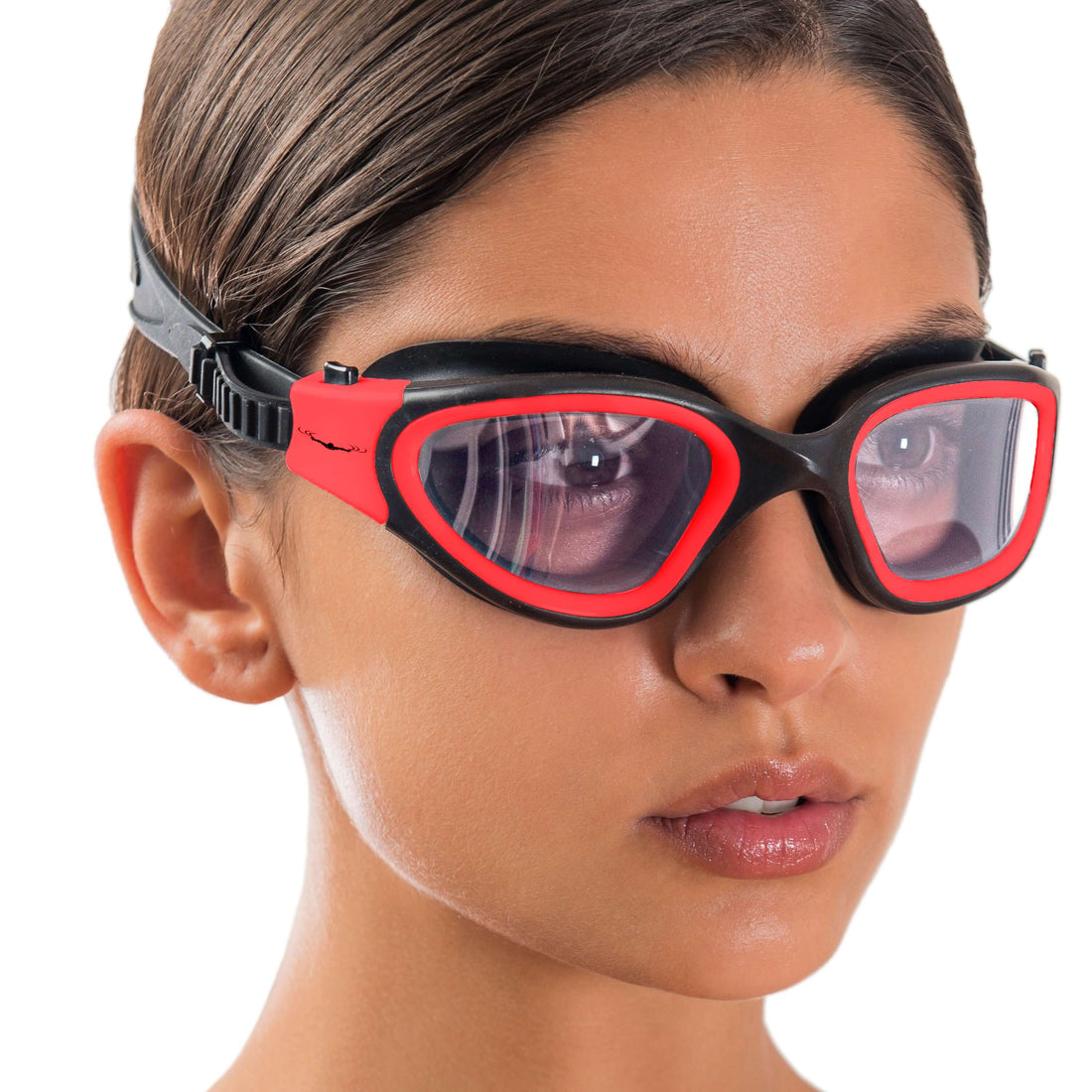
The DX Wide View Swim Goggles feature clear, untinted 180° polycarbonate lenses that provide true-color visibility, making them ideal for indoor and low-light swimming conditions. With advanced anti-fog technology and a secure, leak-free fit, these goggles ensure comfort and clarity during your swim sessions. They come with a protective SHOCK case designed for quick-dry storage, making them a durable choice for regular use.
View Product