

Overview
Swimming is a low-impact exercise that benefits joint health by improving flexibility, strength, and mobility while minimizing strain. Proper gear, like comfortable swim goggles, enhances the experience. To start swimming for joint health, consult a healthcare provider, set achievable goals, progress gradually, and consider joining a class. Integrating swimming with other low-impact activities can further promote joint wellness.
Table of Contents
- Understanding Joint Health
- The Benefits of Swimming for Joint Health
- Low-Impact Exercise
- Improved Range of Motion
- Strength Building
- Swimming Techniques for Joint Health
- The Importance of Proper Gear
- How to Start Swimming for Joint Health
- Consult with a Healthcare Provider
- Set Clear Goals
- Start Slow and Progress Gradually
- Join a Swimming Class
- Listen to Your Body
- Integrating Swimming with Other Exercises
- Success Stories: Real-Life Impact of Swimming
- Final Thoughts on Swimming and Joint Health
Key Takeaways
- Low-Impact Exercise: Swimming minimizes strain on joints, making it ideal for those with joint issues like arthritis.
- Improved Range of Motion: The gentle resistance of water enhances flexibility and mobility, particularly in hips, knees, and shoulders.
- Strength Building: Swimming tones muscles and strengthens those surrounding joints, reducing pain and discomfort during other activities.
- Proper Gear Matters: Investing in quality equipment, especially clear swim goggles, enhances visibility and overall swimming experience.
- Consult Healthcare Providers: Always seek professional advice before starting a new exercise regimen, especially if you have joint concerns.
- Start Slow: Gradually increase the duration and intensity of swimming to allow your body to adjust without strain.
- Combine Activities: Pair swimming with other low-impact exercises like yoga or cycling for a balanced fitness routine that supports joint health.
Frequently Asked Questions
1. Why is swimming considered beneficial for joint health?
2. What are the swimming techniques that are good for joint health?
3. How can proper swimming gear impact the swimming experience?
4. What should beginners do before starting to swim for joint health?
5. Can swimming be combined with other forms of exercise for joint health?
Swimming is often heralded as one of the best forms of exercise, and for good reason. The buoyancy of water allows the body to move more freely while minimizing strain on the joints. This makes swimming particularly beneficial for individuals of all ages and fitness levels, especially those dealing with joint issues. In this article, we will explore how swimming positively impacts joint health, delve into the importance of proper swimming gear like clear swim goggles, and discuss how to incorporate swimming into your fitness routine for optimal benefits.
Understanding Joint Health
Joints are the connections between bones, and they play a crucial role in our mobility and overall wellbeing. Maintaining healthy joints is vital for performing daily activities and enjoying an active lifestyle. Unfortunately, factors such as age, obesity, injuries, and certain diseases can lead to joint pain and deterioration. Traditional forms of exercise, like running or high-impact aerobics, can exacerbate these issues. That's where swimming comes in as a safer alternative.
The Benefits of Swimming for Joint Health
Low-Impact Exercise
One of the principal advantages of swimming is that it is a low-impact activity. The water's buoyancy supports your weight, allowing you to engage in movement without stressing your joints. This can be particularly beneficial for those suffering from conditions such as arthritis, where joint pain and stiffness are common. With swimming, your body remains agile and flexible without the grinding pressure often felt during other exercises.
Improved Range of Motion
Gentle resistance offered by water can help enhance the range of motion in your joints. Swimming promotes flexibility and increases mobility, particularly in the hips, knees, and shoulders. Regular practice can prevent stiffness while improving functional strength. To maximize these benefits, consider investing in a pair of clear swim goggles that provide a comfortable fit and clear vision underwater, allowing you to focus entirely on your movements.
Strength Building
While swimming may seem like more of a cardiovascular exercise, it is also excellent for building strength. Water is denser than air, which means your body has to work harder to move through it. This natural resistance can help tone muscles and strengthen the muscles surrounding your joints, providing better support and stability. Over time, stronger muscles can lead to less strain on the joints during other activities, effectively reducing pain and discomfort.
Swimming Techniques for Joint Health
Incorporating specific swimming techniques can enhance the benefits for your joints. Here are a few strokes and approaches to consider:
- Freestyle: Engaging in freestyle helps work on arm and shoulder strength while minimizing pressure on the knee joints.
- Backstroke: This stroke is particularly gentle on the spine and joints while still offering a full body workout.
- Breach Stroke: Known for its minimal impact on the joints, the breaststroke is a great option for beginners.
- Water Aerobics: Participating in water aerobics classes can provide structured exercise while being extra kind to your joints.
The Importance of Proper Gear
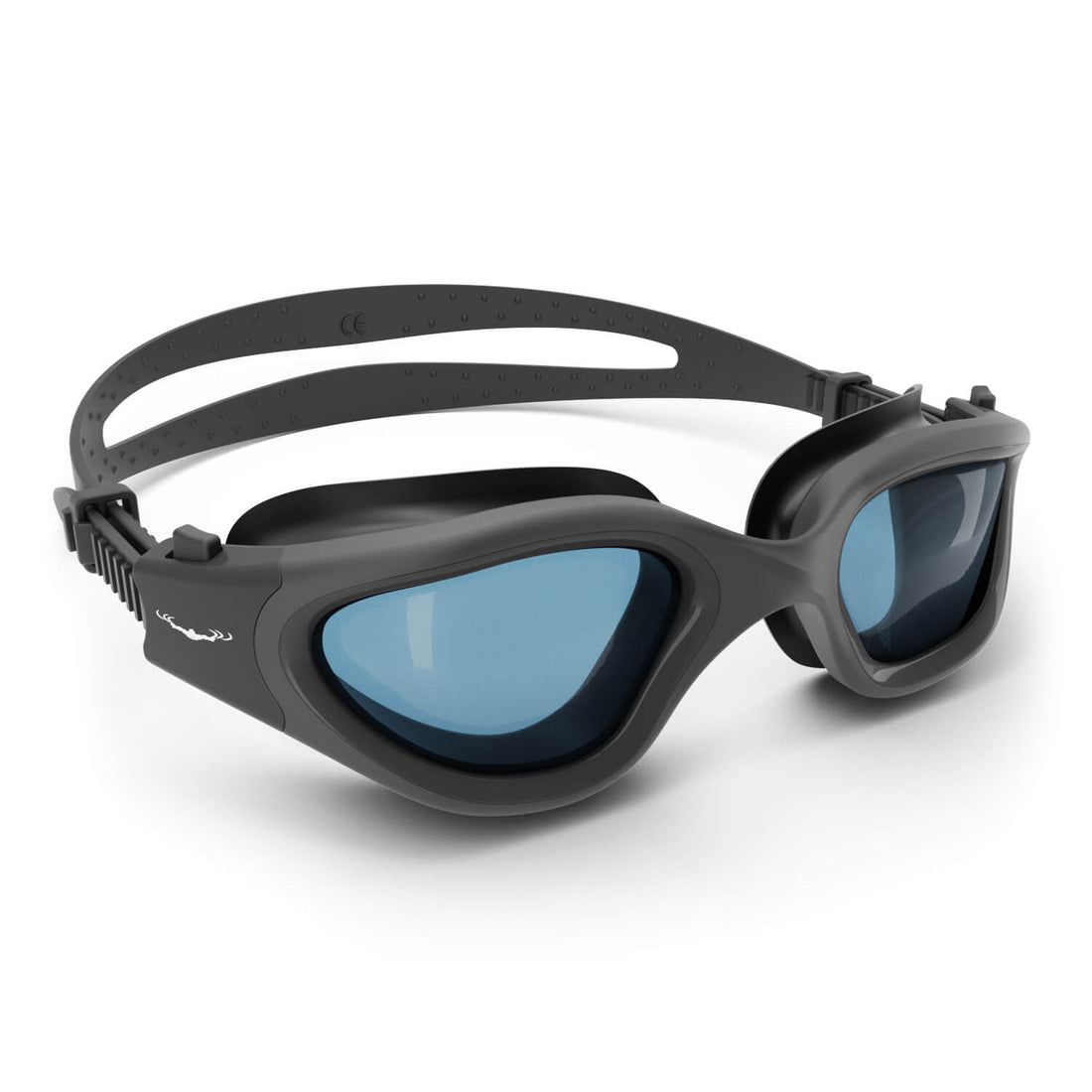
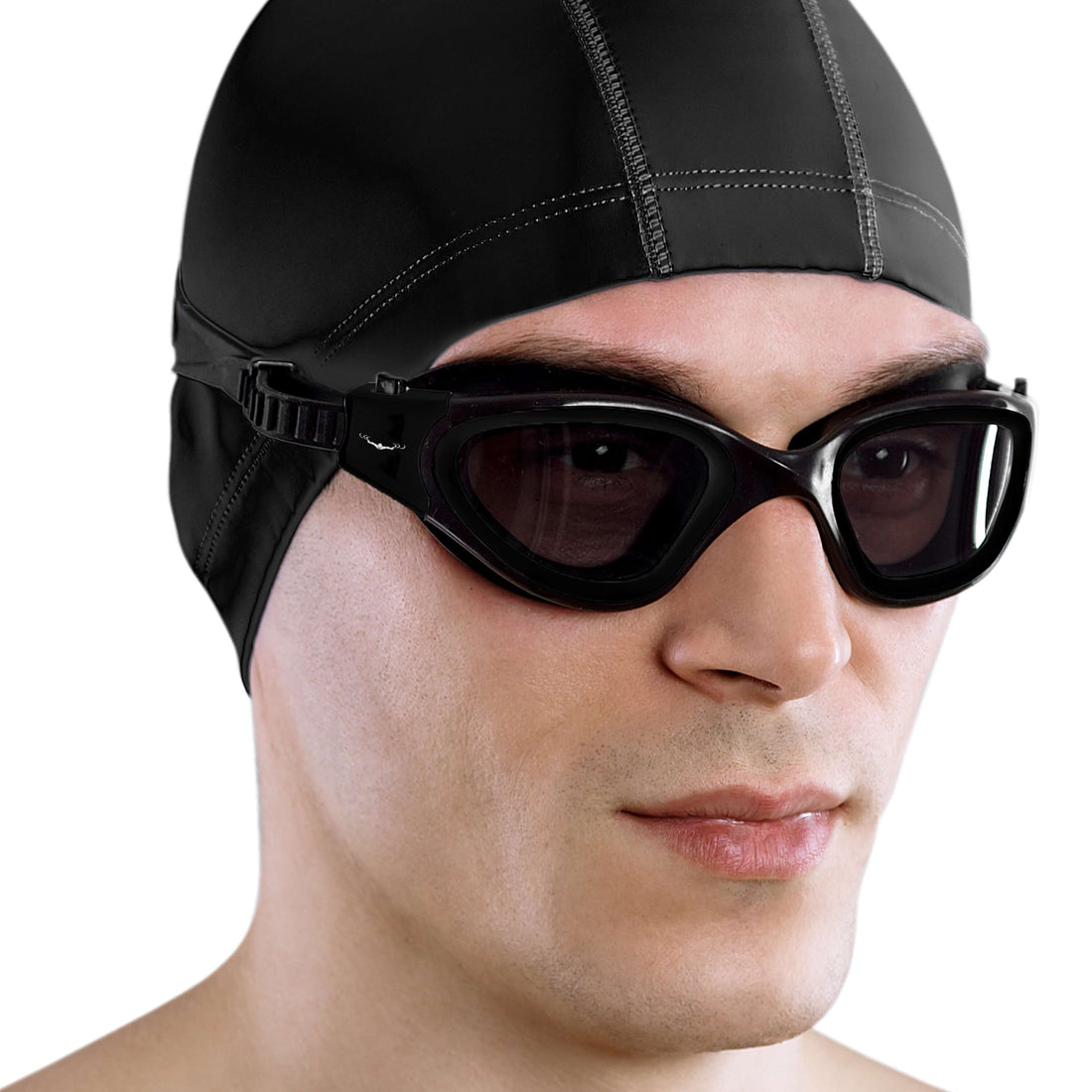
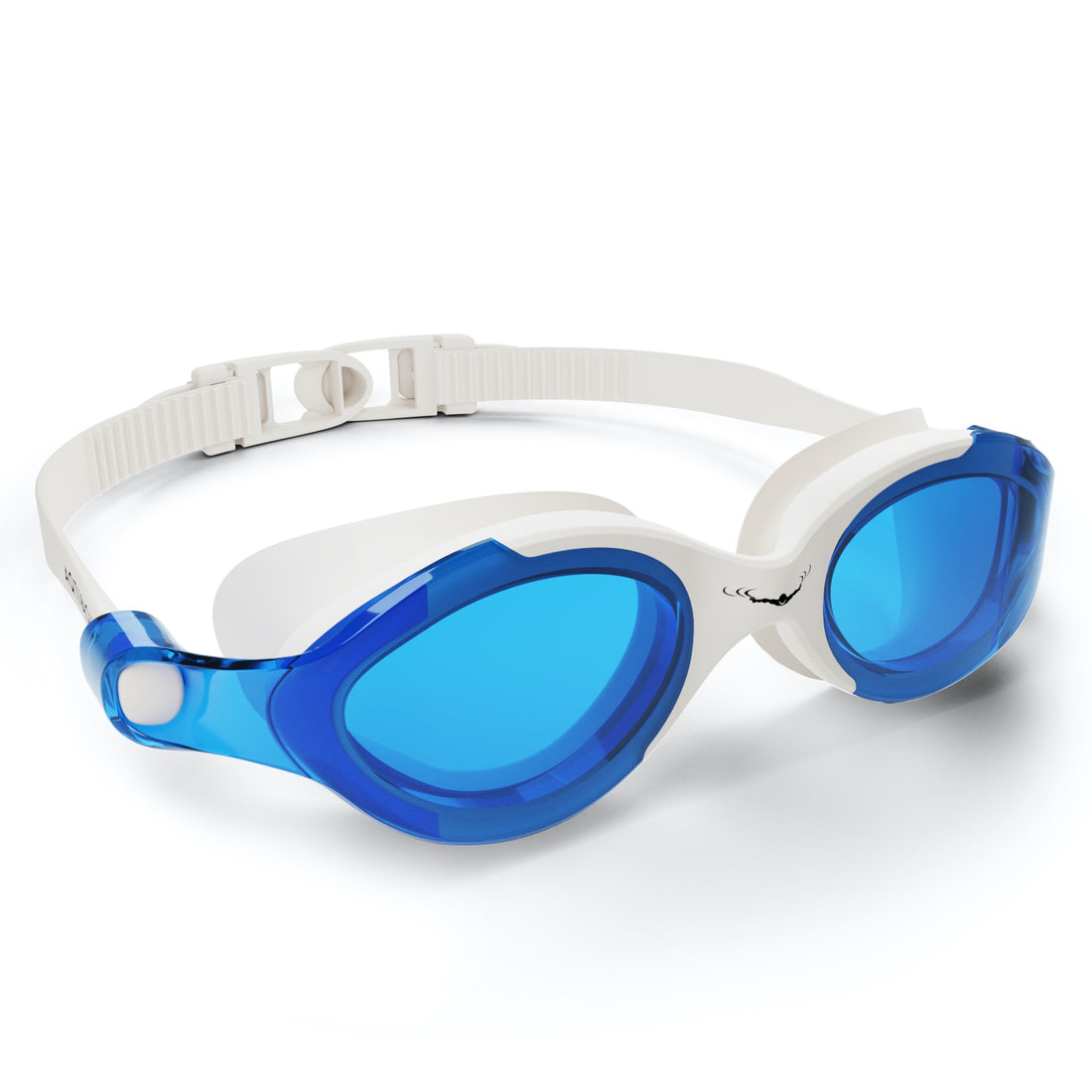
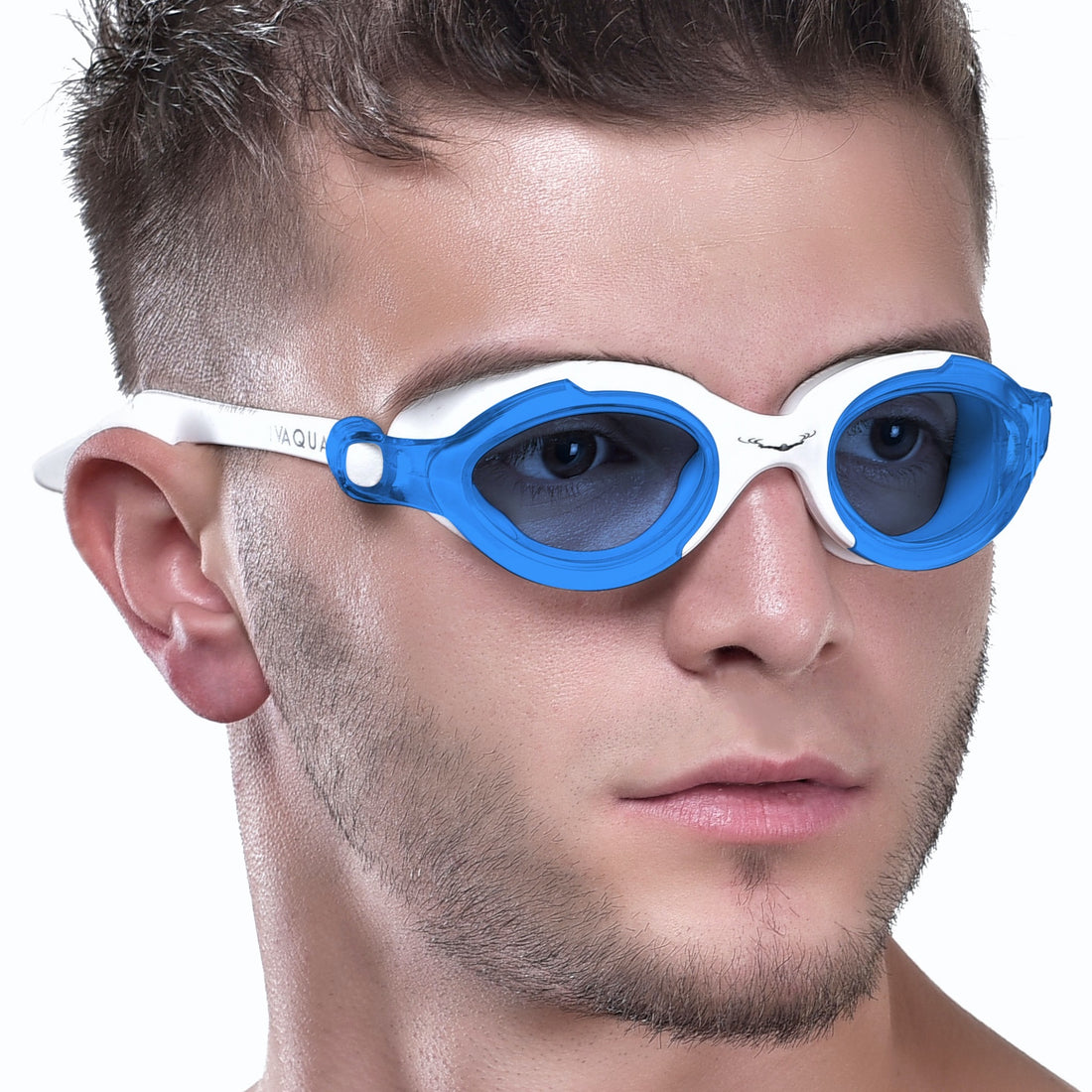
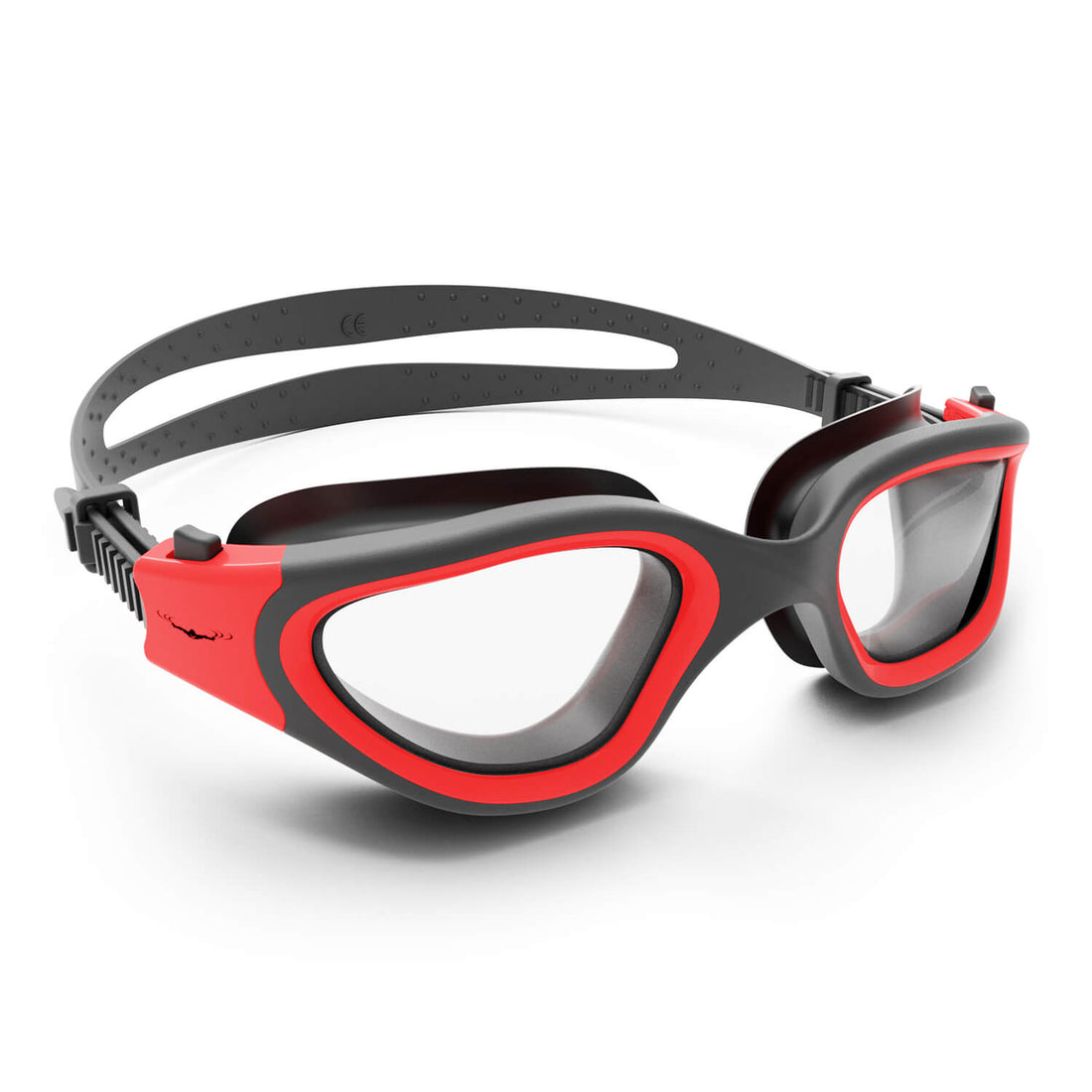
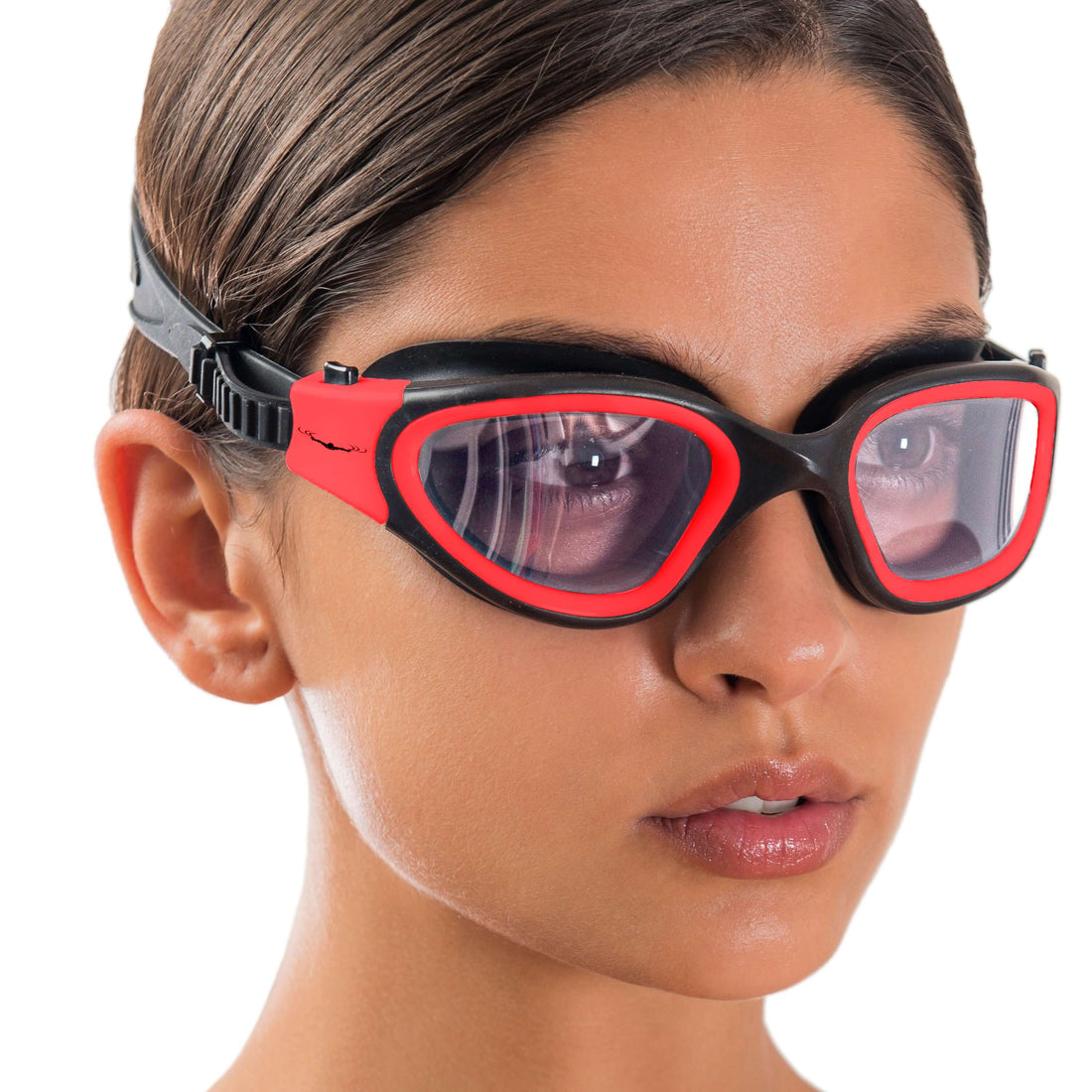
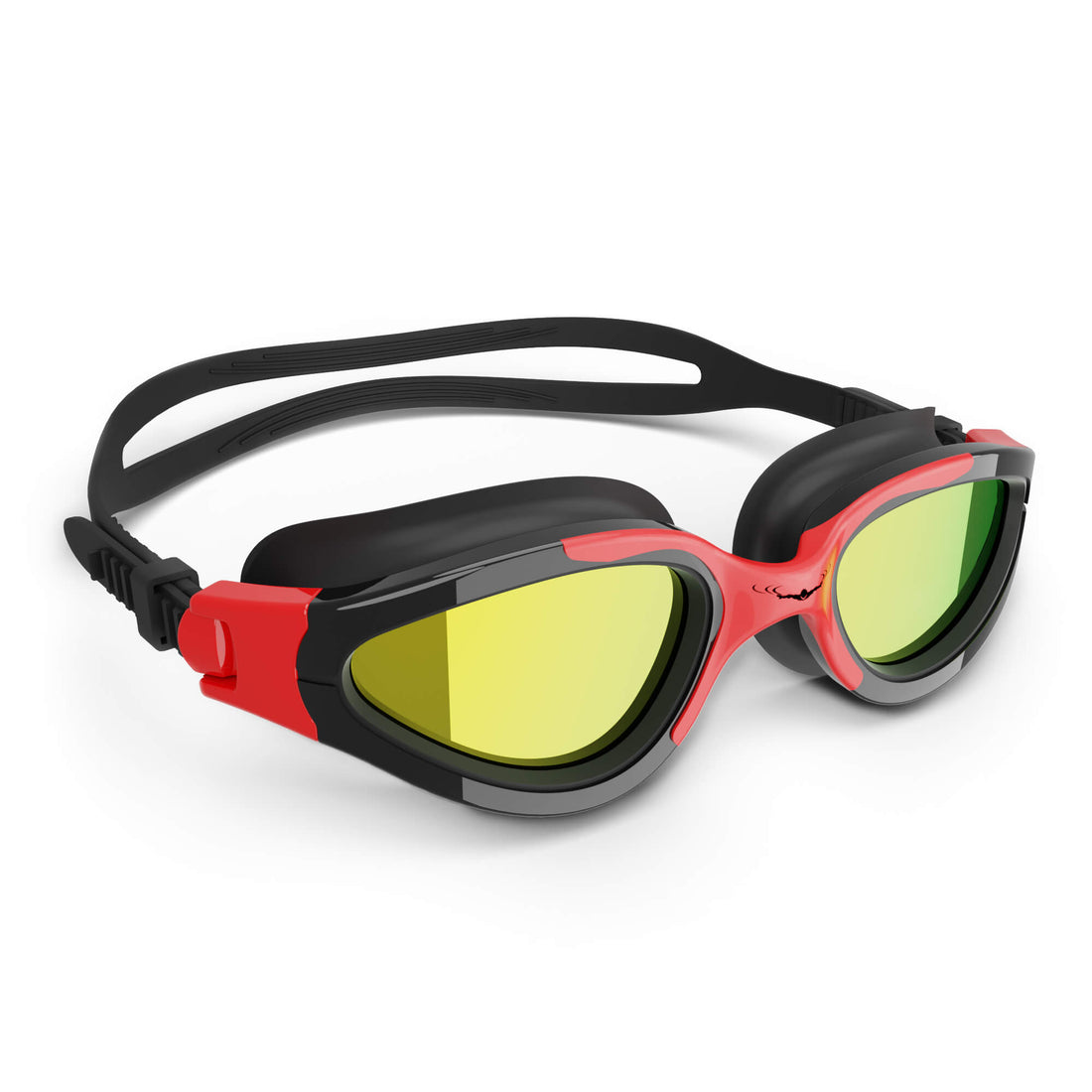
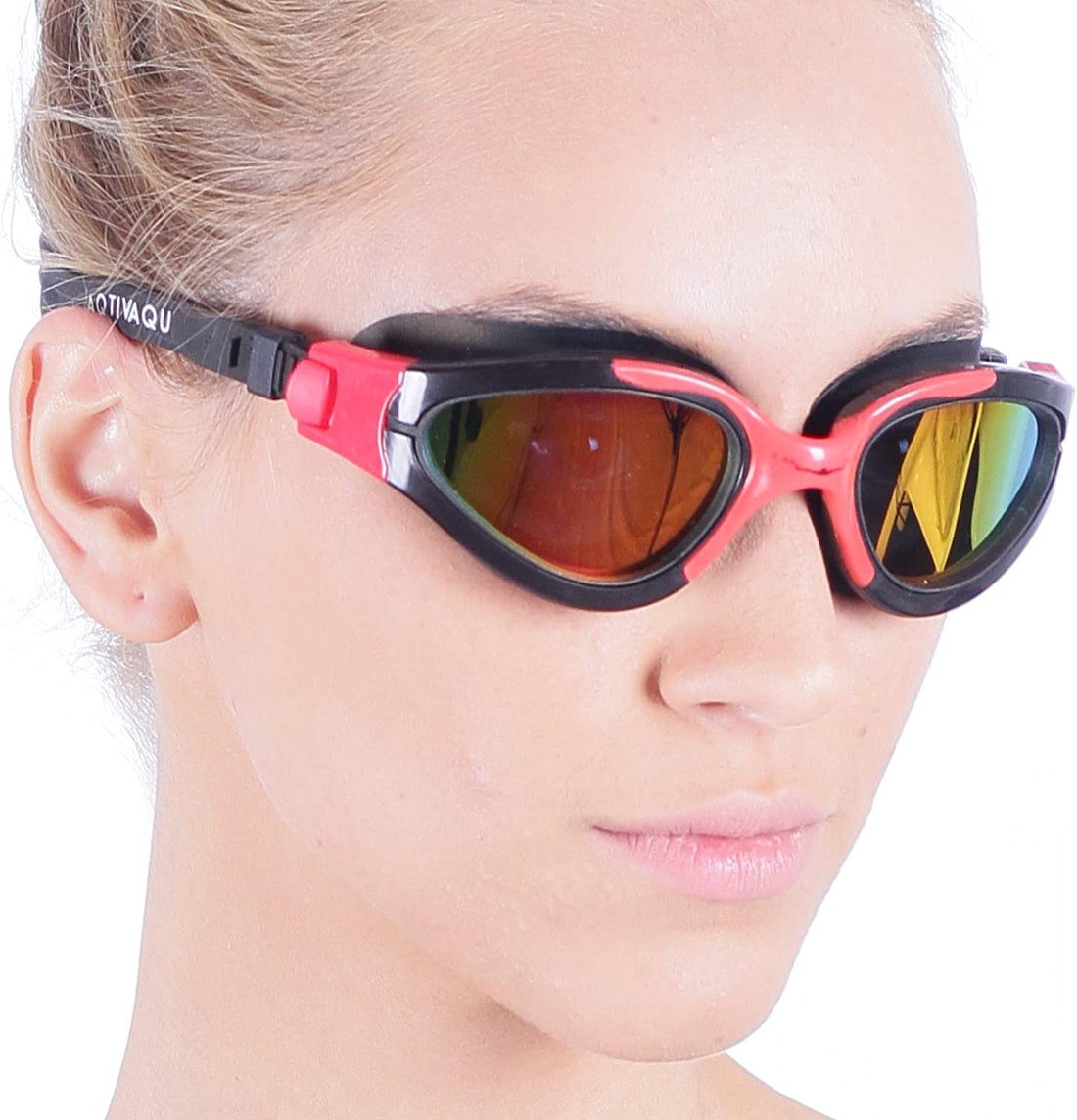
Having the right gear can significantly enhance your swimming experience. One of the essential aspects of your equipment should be a comfortable pair of swim goggles. Clear swim goggles, in particular, allow for unobstructed visibility, making it easier to navigate while you swim. Whether you're a beginner or a seasoned swimmer, investing in quality gear can help maximize your enjoyment and effectiveness in the pool.
How to Start Swimming for Joint Health
If you're new to swimming and looking to improve your joint health, here are essential tips to get started:
Consult with a Healthcare Provider
Before beginning any new exercise regimen, it's wise to consult with a healthcare provider, especially if you suffer from joint issues. They can guide you on safe practices and possibly refer you to a physical therapist specializing in aquatic therapies.
Set Clear Goals
Establish achievable swimming goals. Whether you aim to swim a specific distance, participate in swim classes, or swim regularly for exercise, setting clear parameters can keep you motivated.
Start Slow and Progress Gradually
If you are using swimming primarily for joint health, it’s crucial to start slowly. Gradually increase your duration and intensity, allowing your joints and muscles to adjust smoothly to this new form of exercise.
Join a Swimming Class
Joining a swimming class can provide structure and accountability. It’s also an opportunity to receive professional guidance on your swimming technique while meeting others who share similar health goals.
Listen to Your Body
It's important to pay attention to how your body reacts to swimming. If you experience pain, consider modifying your technique or consulting with a professional. Swimming should alleviate discomfort rather than adding to it.
Integrating Swimming with Other Exercises
While swimming is fantastic for joint health, it can be even more effective when combined with other low-impact activities. Yoga, cycling, and walking are excellent partners to your swimming routine. They can provide variation in your workout and further contribute to joint health. Remember, the goal is to find a balanced regimen that keeps you moving while preventing further joint strain.
Success Stories: Real-Life Impact of Swimming
Many individuals have found success through swimming for joint health. From athletes recovering from injuries to seniors seeking an active lifestyle, the stories are inspiring. Some have reported reduced inflammation and improved mobility after integrating swimming into their fitness routines. Others have shared how swimming has given them a sense of community within local pools, further promoting their physical and mental wellness. These testimonials remind us that swimming can be therapeutic, fun, and life-changing.
Final Thoughts on Swimming and Joint Health
Swimming can be a game-changer for your joint health. Its low-impact nature, combined with the benefits of building strength and improving flexibility, makes it a great option for anyone aiming to stay active without risking joint strain. By investing in quality gear, such as comfortable swim goggles, and incorporating the right techniques, you can make swimming a vital part of your fitness journey. So dive in, embrace the water, and unlock the numerous benefits for your joints and overall health. You'll be glad you did!
Glossary
| Term | Meaning |
|---|---|
| Buoyancy | The ability of water to support the body's weight, reducing joint strain. |
| Low-Impact Exercise | Activities that minimize stress on joints, making them safer for individuals with joint issues. |
| Range of Motion | The extent of movement around a joint, which swimming can enhance. |
| Clear Swim Goggles | Specialized eyewear that provides unobstructed vision while swimming. |
| Strength Building | Developing muscle strength through resistance, beneficial for joint support. |
| Freestyle | A swimming stroke that focuses on arm and shoulder strength with minimal knee pressure. |
| Water Aerobics | Structured exercise classes in water that are gentle on the joints. |
| Consult with a Healthcare Provider | Seeking professional advice before starting a new exercise routine, especially for joint health. |
| Integrating Exercises | Combining swimming with other low-impact activities for improved overall joint health. |
| Success Stories | Personal accounts of individuals who have benefited from swimming for joint health. |
Linked Product

DX Wide View Swim Goggles + SHOCK Protective Case
The DX Wide View Swim Goggles offer a clear 180° view with anti-fog technology, ensuring optimal visibility in various lighting conditions. Their soft double-seals provide a comfortable fit that prevents leaks, while the quick-adjust strap allows for easy customization even when wet. The included SHOCK protective case ensures your goggles remain safe and dry when not in use.
View Product