

Overview
This article explores the importance of teaching children how to swim, highlighting its benefits for safety, physical fitness, and social skills. Readers will learn effective strategies for creating a positive learning environment, essential swimming techniques, and ways to incorporate fun into lessons. By following these guidelines, parents can help their children develop confidence and enjoyment in the water while ensuring their safety.
Table of Contents
- Why Swimming is Important for Children
- Getting Started with Swimming Lessons
- 1. Create a Positive Environment
- 2. Introduce Kids Swim Goggles
- 3. Swim Caps: Comfort and Style
- Essential Swimming Skills to Teach
- 1. Floating
- 2. Kicking
- 3. Arm Movements
- Incorporating Fun into Lessons
- Gradually Increasing Depth and Distance
- 4. Breathing Techniques
- 5. Stroke Techniques
- Safety and Supervision
- The Benefits of Group Lessons
- Making the Water Familiar
- Encouraging Independence
- Bringing It All Together
Key Takeaways
- Safety First: Teaching kids to swim significantly reduces the risk of drowning, a leading cause of accidental death in children.
- Positive Environment: Create a fun and encouraging atmosphere to help children feel comfortable and excited about learning to swim.
- Essential Skills: Focus on fundamental skills like floating, kicking, and arm movements to build a solid foundation for swimming.
- Incorporate Fun: Use games like treasure hunts and ring toss to keep lessons engaging and enjoyable for children.
- Gradual Progression: Introduce deeper water and longer distances slowly to build confidence and control in the water.
- Group Lessons: Enroll children in group swimming classes to enhance social skills and learn from peers.
- Prioritize Supervision: Always monitor children closely around water and be prepared with CPR knowledge for emergencies.
Swimming is not only a vital life skill for children but also an enjoyable activity that promotes physical health and confidence. Teaching kids how to swim can be a rewarding experience for both parents and children. The process may seem daunting, but with the right techniques and mindset, you can create a safe and fun environment for your child. In this article, we’ll uncover effective strategies for teaching kids the fundamentals of swimming, ensuring they have a fantastic time in the water.
Why Swimming is Important for Children
Before diving into the teaching methods, let’s highlight why learning to swim is crucial for kids:
- Safety: Drowning is a leading cause of unintentional injury-related deaths for children. Knowing how to swim can save lives.
- Physical Fitness: Swimming engages multiple muscle groups and improves cardiovascular health.
- Social Skills: Classes and group lessons can foster friendships and build teamwork.
- Mental Well-being: Swimming is an enjoyable activity that can reduce stress and boost confidence.
Getting Started with Swimming Lessons
When you're ready to start teaching your child how to swim, consider the following steps:
1. Create a Positive Environment
Before even entering the water, set a positive tone. Your attitude will significantly affect your child's feelings about swimming. Use enthusiastic language and reassure your child that swimming is a fun activity. Avoid pressuring them into the water if they are hesitant; building comfort is essential. You might say, "Isn’t it exciting to splash around in the pool today?"
2. Introduce Kids Swim Goggles
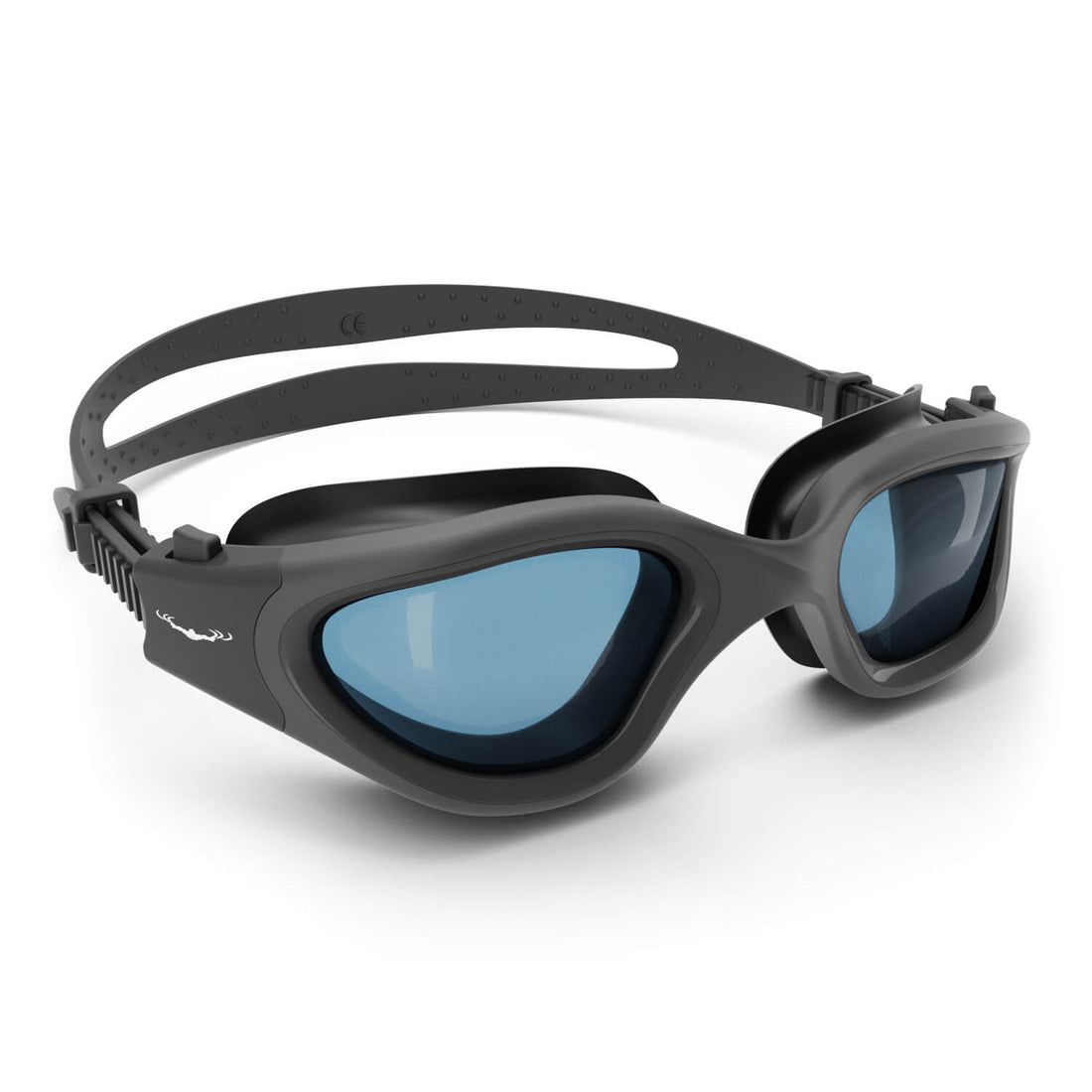
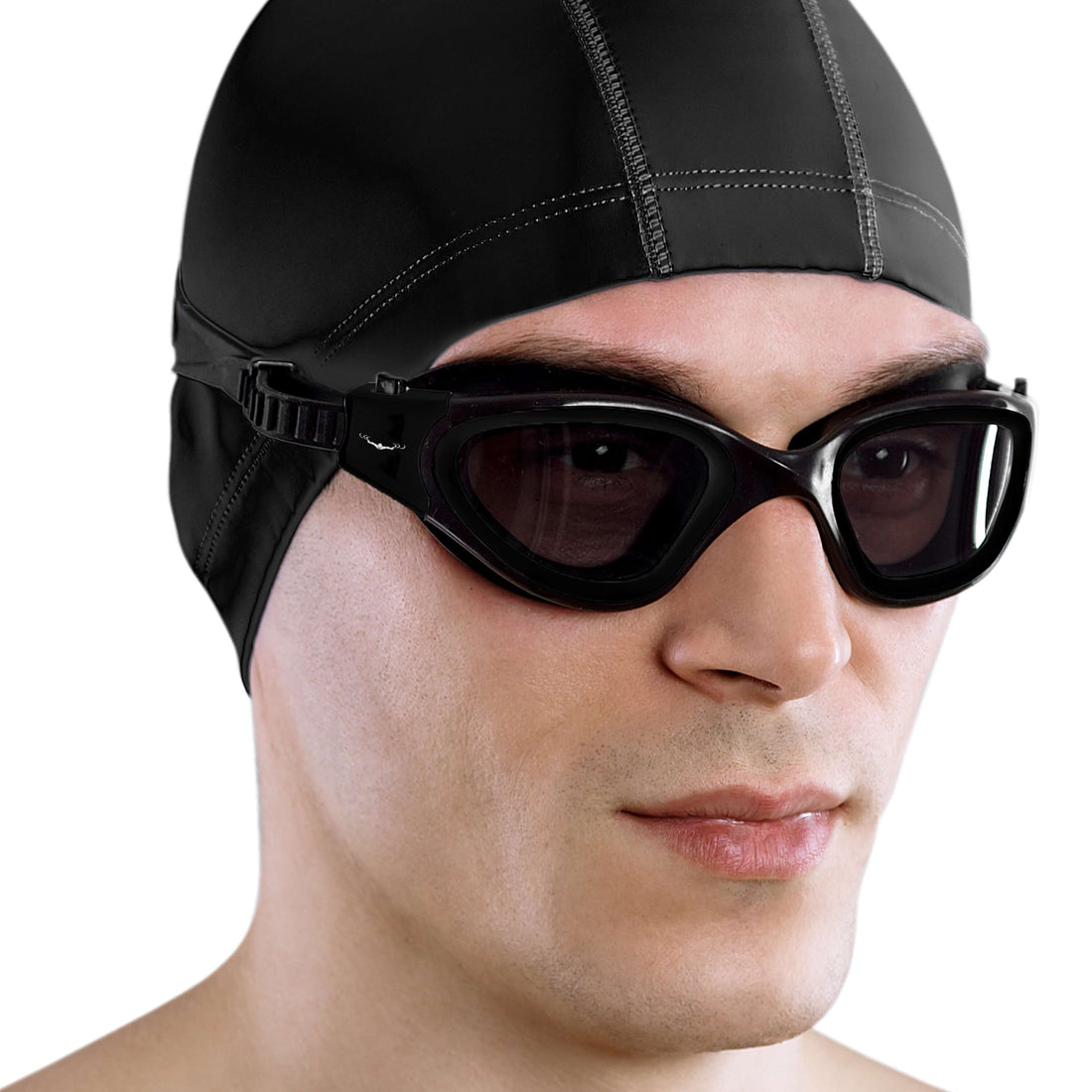
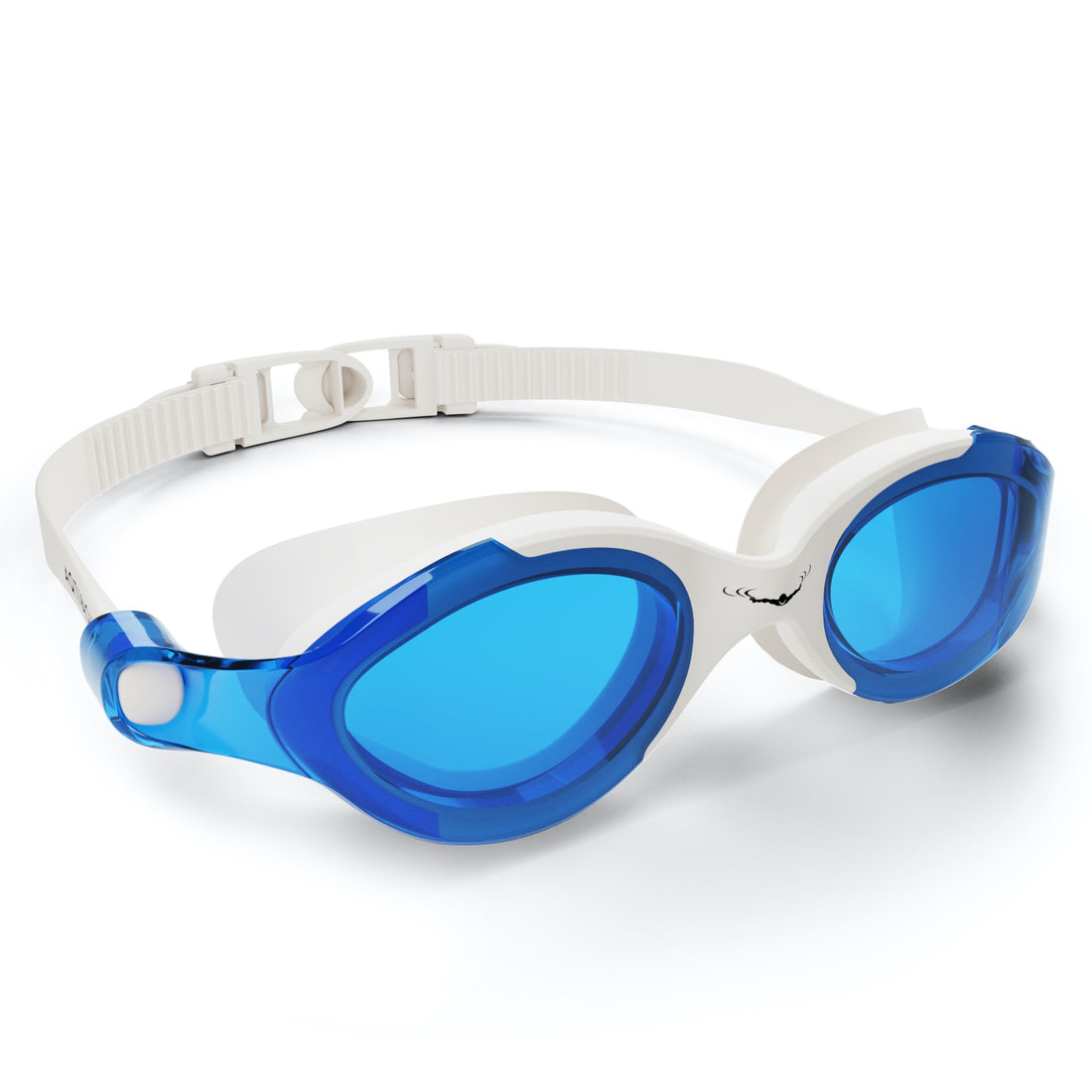
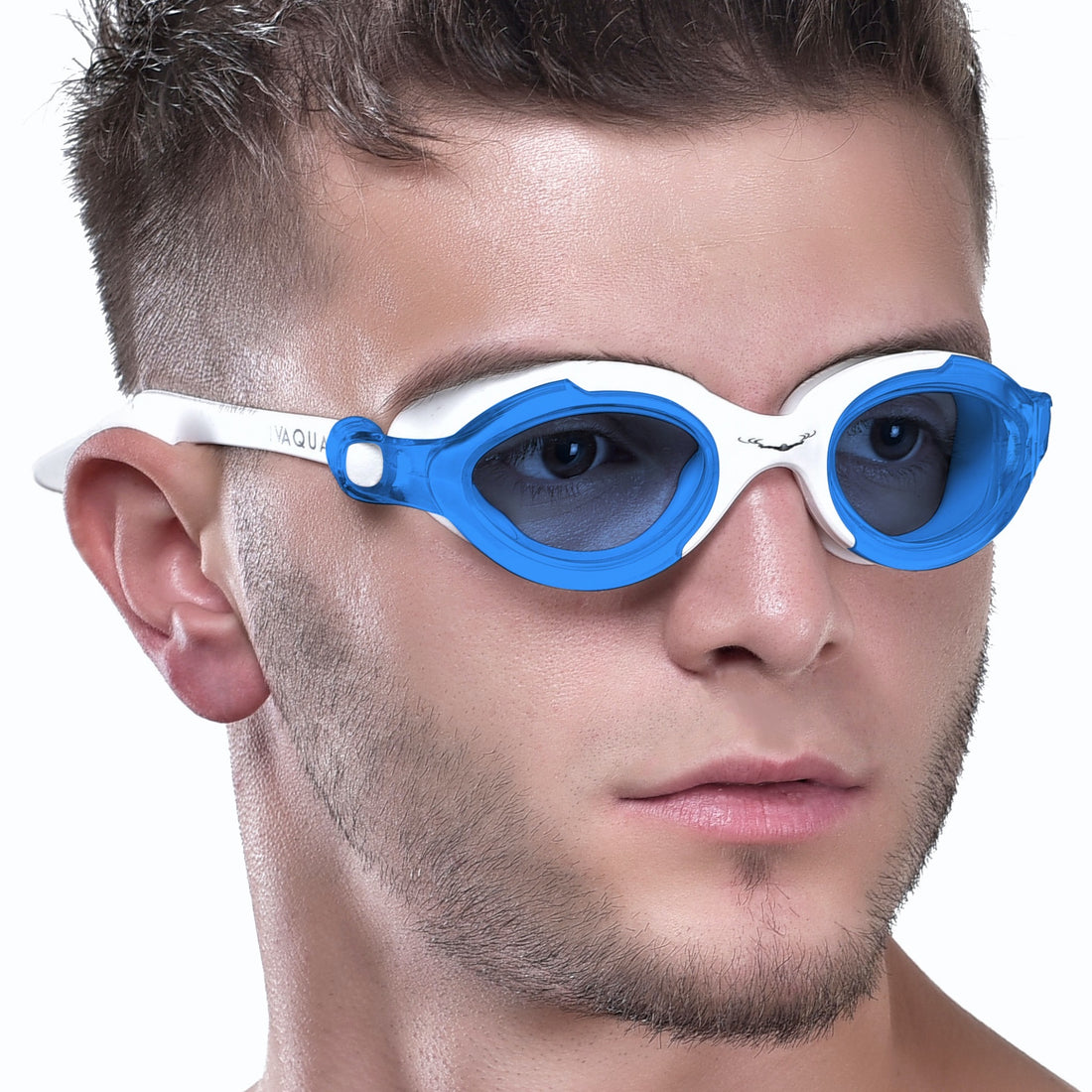
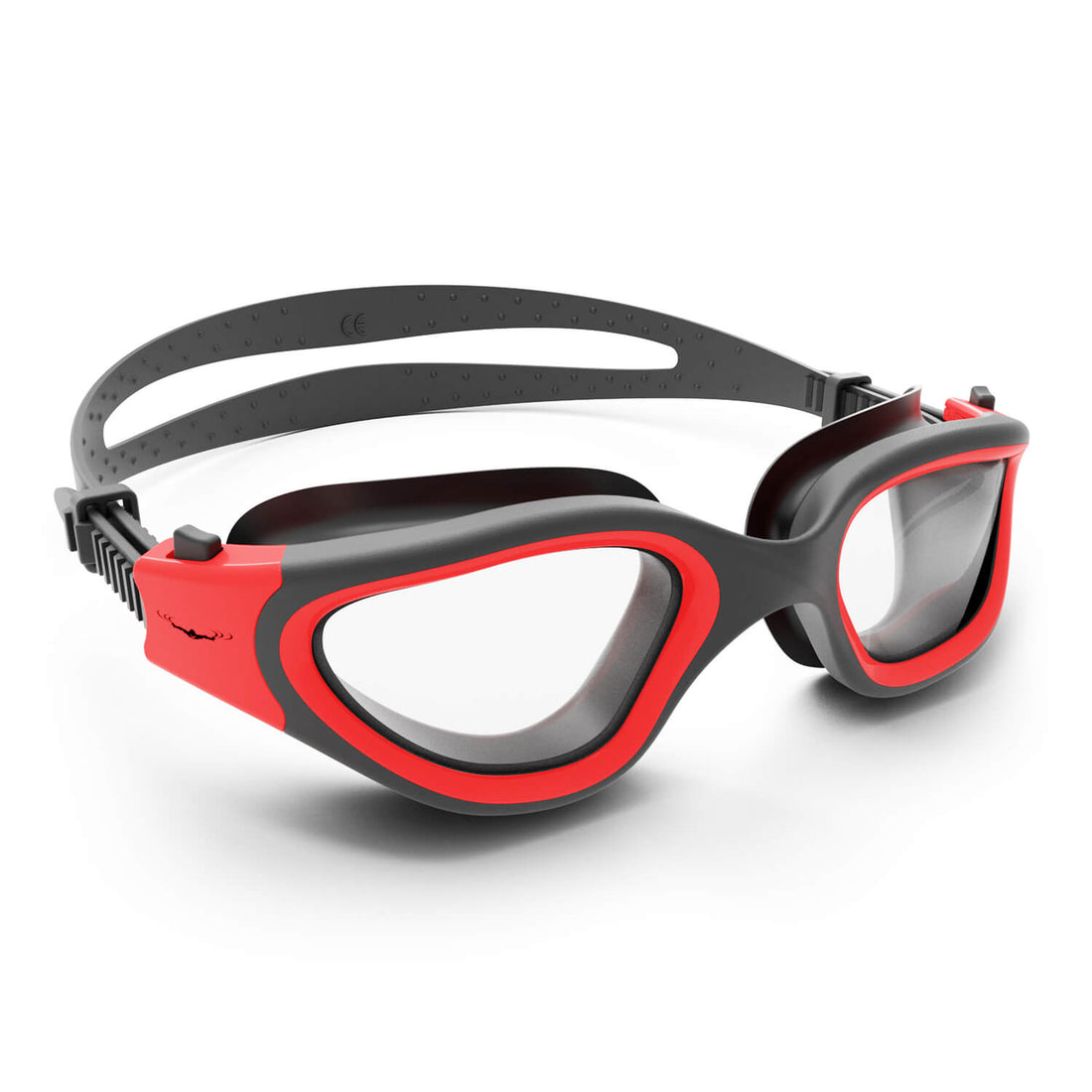
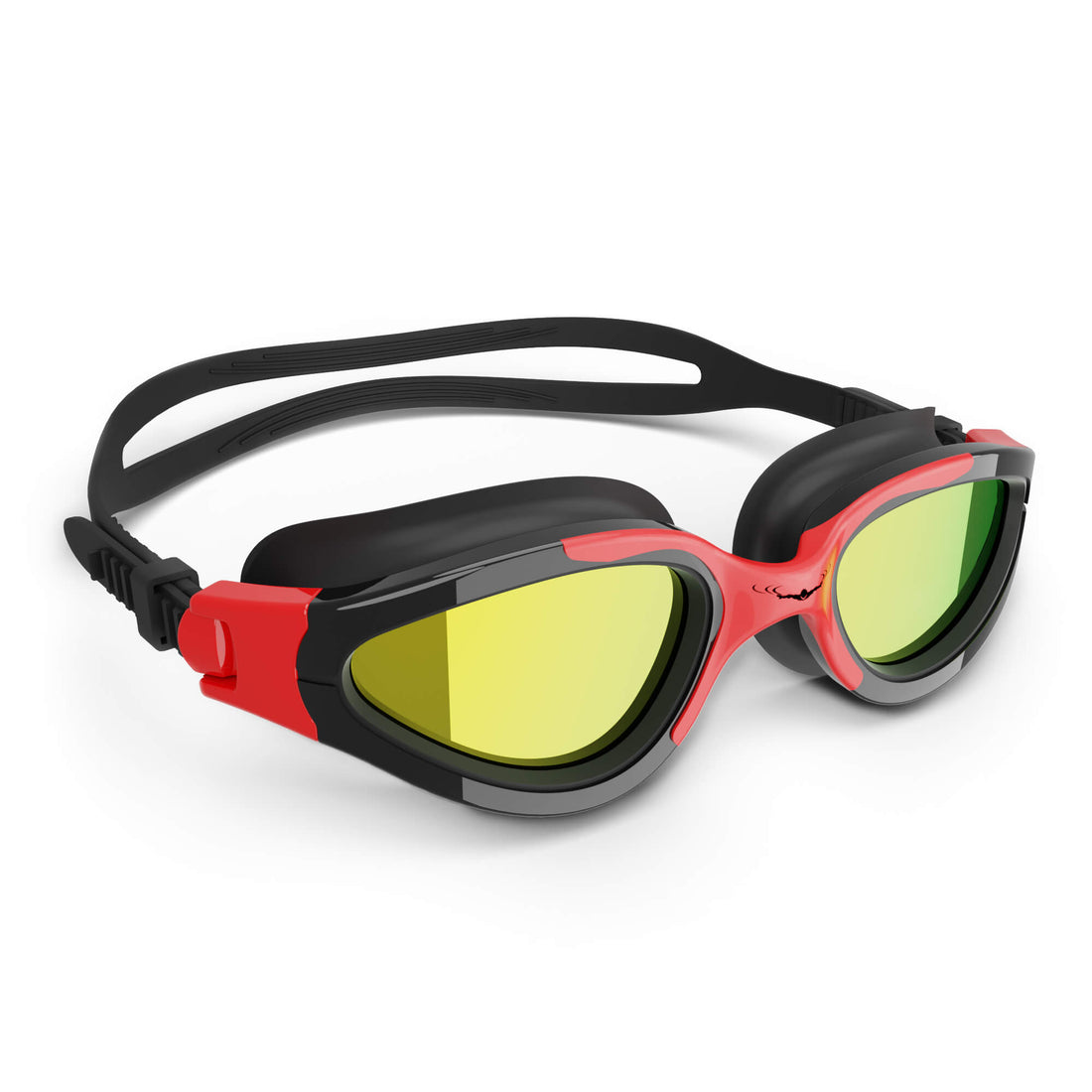
Comfort and vision in the water can play a significant role in your child’s swimming experience. Consider introducing kids swim goggles that offer a leak-free, fog-free view, so they can explore with confidence. These goggles allow children to see clearly underwater, reducing anxiety and helping them feel more secure.
3. Swim Caps: Comfort and Style
Another great addition to your child’s swimming gear is a swim cap. Using swim caps can help keep hair out of their faces and reduce drag, making swimming feel easier. Plus, they come in fun colors that kids love!
Essential Swimming Skills to Teach
Here are the fundamental swimming skills you should introduce to your kids:
1. Floating
Start with the basic skill of floating on their back. This can help children feel more secure in the water. Support them gently and encourage them to relax. You can say, "Let go of your arms and legs; just float like a starfish!"
2. Kicking
Kickboarding is an important aspect of swimming. Provide your child with a kickboard and show them how to kick their legs behind them while holding onto the board. Encourage them to practice kicking while floating or gliding across the pool.
3. Arm Movements
Once your child is comfortable with floating and kicking, introduce arm movements. Show them how to reach forward and pull back in a circular motion. This mimics the strokes they will use while swimming.
Incorporating Fun into Lessons
Learning doesn’t have to be serious. Incorporating games will keep your child engaged and excited about swimming:
- Treasure Hunts: Throw floating toys in the water for your child to retrieve, promoting diving and reaching skills.
- Red Light, Green Light: This classic game can help kids practice stopping and starting while swimming.
- Ring Toss: Use rings or other floating toys for your child to toss onto a target, enhancing their accuracy and swimming skills.
Gradually Increasing Depth and Distance
Once your child is familiar with basic skills, gradually introduce deeper water. Remind them to remain calm and focus on using their skills. You can create swim zones: shallow areas for practicing and deeper areas for confidence building. Encourage them to swim longer distances as they gain comfort and control.
4. Breathing Techniques
Proper breathing techniques are essential for confident swimming. Show your child how to take deep breaths before submerging their face and blowing bubbles while underwater. You can frame it as a fun challenge, saying something like, “Let’s see who can make the biggest bubbles!”
5. Stroke Techniques
As your child becomes comfortable in the water, start refining their strokes. Focus on:
- Freestyle: Encourage them to use alternating arm strokes and a flutter kick.
- Backstroke: Explain how to float on their back while alternating arm movements.
- Breaststroke: Teach the pull, breathe, kick sequence for this synchronized stroke.
Safety and Supervision
As you teach your child to swim, always prioritize safety. Here are some measures to take:
- Supervise Constantly: Always keep a close eye on your child while they are in or near water. Never assume they are safe.
- Know Basic CPR: Learning CPR can be critical in emergencies. Equip yourself with knowledge that could save a life.
- Swimming Lessons: Enroll your child in certified swimming lessons with trained instructors who focus on water safety.
The Benefits of Group Lessons
Consider enrolling your child in swimming lessons with peers. Group classes not only provide professional instruction but also give children the chance to socialize and learn from their peers. Observing others can enhance their learning and make swimming a more engaging activity.
Making the Water Familiar
Before sending your child to swimming classes, ensure they are comfortable around water. Frequent trips to the pool or beach can help build familiarity. Playing water games or simply splashing around can help alleviate any anxiety they might feel.
Encouraging Independence
As your child grows more confident, encourage them to practice swimming independently. Start without significant parental support, emphasizing the skills they've learned. This independence can boost their self-esteem and further their abilities in the water.
Bringing It All Together
Teaching kids how to swim provides countless benefits, from safety to health and social skills. By creating a positive atmosphere, using supportive gear like kids swim goggles and swim caps, and relying on fun games and techniques, you can empower your child to embrace the water confidently. Always remember to prioritize safety, supervise your child, and promote gradual progress.
As your kids thrive in their swimming journey, not only will they thank you for the invaluable skills learned, but you will also be fostering a commitment to fitness and fun that lasts a lifetime. Get ready, because you're not just teaching them to swim; you're opening up a world of possibilities!
Frequently Asked Questions
1. Why is swimming important for children?
2. What are the essential swimming skills to teach kids?
3. How can I create a positive environment for swimming lessons?
4. What safety measures should I take while teaching my child to swim?
5. What are the benefits of group swimming lessons for kids?
Glossary
| Term | Meaning |
|---|---|
| Swimming | A vital life skill and enjoyable activity that promotes health. |
| Float | To remain on the surface of the water without sinking. |
| Kickboard | A buoyant board used to practice kicking techniques in swimming. |
| Swim Goggles | Protective eyewear that enhances vision underwater. |
| Stroke Techniques | Specific movements used in swimming to propel through water. |
| Breathing Techniques | Methods to control breathing while swimming for efficiency. |
| Group Lessons | Swimming classes conducted with multiple students for social learning. |
| Supervision | Constant monitoring of a child’s safety while in or near water. |
| Independence | The ability of a child to swim without significant parental support. |
| CPR | Cardiopulmonary resuscitation, a life-saving technique in emergencies. |
Linked Product

DX-MINI Kids Swim Goggles
The DX-MINI Kids Swim Goggles provide a leak- and fog-free experience with 180° vision, allowing kids to explore confidently both above and below water. Designed with ultra-soft silicone gaskets and a split, anti-slip strap, these goggles ensure a comfortable fit that stays in place during active play. Available in vibrant designs, they make swimming more enjoyable for children while offering peace of mind for parents with a 12-month warranty.
View Product