

Overview
Swimming provides significant mental health benefits, including stress relief, improved mood, and reduced anxiety. Engaging in this physical activity fosters mindfulness, boosts self-esteem, and enhances social connections. Regular swimming can lead to better sleep quality and help combat depression. By creating a consistent routine and connecting with the swimming community, individuals can experience profound improvements in their mental well-being.
Table of Contents
- Swimming as a Natural Stress Reliever
- Improvement in Mood and Reduction of Anxiety
- Physical Benefits Leading to Emotional Boosts
- Community and Social Interaction
- Boosting Self-Esteem and Confidence
- Fostering a Sense of Freedom and Relaxation
- The Meditative Effects of Water
- Connecting with Nature
- Combating Depression with a Splash
- Enhanced Focus and Concentration
- Building Discipline through Swimming
- Surpassing Mental Barriers
- Swimming and Sleep Quality
- A Healthy Body Facilitates Rest
- Creating a Calming Routine
- Diving into a Vibrant Community
- Sharing Experiences
- Learning from Others
- Transform Your Mindset through Swimming
Key Takeaways
- Natural Stress Reliever: Swimming calms the nervous system and helps reduce stress through rhythmic strokes and breathing.
- Mood Enhancement: Engaging in swimming can improve mood and alleviate symptoms of anxiety and depression.
- Community Benefits: Joining swim teams or public pools fosters social connections, reducing feelings of isolation.
- Boosts Self-Esteem: Mastering swimming techniques and achieving personal goals enhances confidence and body positivity.
- Meditative Experience: Immersion in water promotes a meditative state, reducing racing thoughts and encouraging mindfulness.
- Improved Sleep Quality: Regular swimming contributes to better sleep patterns by promoting physical fatigue and relaxation.
- Enhanced Focus: The discipline required in swimming sharpens cognitive skills and improves overall concentration.
Swimming is often regarded as a fantastic physical exercise, but did you know that it also offers tremendous benefits for mental health? As we dive into the water, a world of tranquility awaits. In this blog post, we’ll explore how swimming can enhance mental well-being, improve mood, and help reduce stress. Whether you’re a seasoned swimmer or just starting, the positive effects of being in the water can be profound. Grab your swim goggles, and let’s take a plunge into the benefits of swimming for mental health!
Swimming as a Natural Stress Reliever
One of the most significant advantages of swimming is its ability to reduce stress. Water has a calming effect that can allow you to forget about your worries, at least for a little while. Here’s how swimming helps combat stress:
- Calms the Nervous System: The rhythmic strokes and breathing patterns help activate the parasympathetic nervous system, leading to relaxation.
- Mindfulness Practice: Swimming requires concentration on form and breathing, which can facilitate mindfulness—a state of focused awareness.
- Release of Endorphins: Physical activity, especially swimming, triggers the release of endorphins, commonly known as “feel-good” hormones.
Improvement in Mood and Reduction of Anxiety
Many swimmers report an improvement in mood after spending time in the water. This boost can be attributed to several factors:
Physical Benefits Leading to Emotional Boosts
Engaging in aerobic exercise like swimming can lead to enhanced cardiovascular health, better sleep quality, and increased energy levels. When you feel good physically, it reflects positively on your mental state. Additionally, swimming can help reduce symptoms of anxiety disorders, as it calms both the mind and body.
Community and Social Interaction
Swimming can also offer social benefits. Whether you swim in a public pool or join a local swim team, there are numerous opportunities to interact with others. Engaging with a community can reduce feelings of isolation, foster friendships, and provide a support network that can significantly improve mental health.
Boosting Self-Esteem and Confidence
Mastering swimming techniques can lead to feelings of accomplishment and pride. Here’s how swimming contributes to building self-esteem:
- Skill Development: Learning new strokes, improving endurance, and achieving personal records can help boost your confidence.
- Body Positivity: Regular swimming helps tone muscles and maintain a healthy weight, empowering individuals to feel good in their own skin.
- Setting and Achieving Goals: Whether it’s swimming a certain distance or simply committing to a schedule, achieving these goals enhances self-worth.
Fostering a Sense of Freedom and Relaxation
Swimming in water can create an extraordinary sensation of weightlessness and freedom. Here’s how it can lead to relaxation:
The Meditative Effects of Water
Immersion in water can resemble a meditative state, reducing racing thoughts and promoting inner peace. The soothing nature of water itself combined with the rhythmic motions of swimming serves as a form of therapy, allowing individuals to clear their minds and focus on the present moment.
Connecting with Nature
Swimming outdoors, especially in lakes, rivers, or the ocean, enhances this experience. Being surrounded by natural beauty can improve mood levels and overall mental well-being, offering a refreshing escape from the chaos of everyday life.
Combating Depression with a Splash
Studies have shown that physical activity, including swimming, can alleviate symptoms of depression. Here’s how swimming plays a key role:
- Safe Space for Reflection: Water can serve as a safe environment to reflect and let out emotions, which is crucial for dealing with depression.
- Regular Routine: Establishing a swimming routine encourages consistency, which is essential for building a sense of normalcy and stability.
- Therapeutic Effects: Many find solace in the repetitive nature of swimming, and this can serve as a form of treatment for those grappling with depressive episodes.
Enhanced Focus and Concentration
Swimming isn’t just about moving through the water. It also requires mental focus, an aspect that can improve cognitive function:
Building Discipline through Swimming
The discipline required to succeed in swimming, coupled with the physical exertion, can improve your overall productivity and concentration levels. The mental challenges that come with mastering various swimming techniques hone cognitive skills and keep your mind sharp.
Surpassing Mental Barriers
For many, swimming can serve as a powerful metaphor for overcoming challenges. Each lap completed signals victory over personal barriers, fostering a strong mental resilience that transcends the pool.
Swimming and Sleep Quality
Quality sleep is foundational to mental wellness, and swimming contributes positively to sleep patterns:
A Healthy Body Facilitates Rest
Engaging in regular swimming increases physical fatigue, which can lead to better sleep quality. Combining the calming effects of water with physical exertion, swimming encourages a more restful night, crucial for mental health recovery and daily functioning.
Creating a Calming Routine
Establishing a swimming routine can have structured benefits for mental well-being:
- Consistency Builds Security: Regular schedules promote predictability that can help in anxiety management.
- Transition to Relaxation: Swimming can act as a transition from daily stressors to moments of calm, paving the way for emotional balance.
Diving into a Vibrant Community
The swimming community is vast and varied, extending beyond just local clubs to reaching fans on social media and beyond. Engaging with fellow swimmers can enrich your mental health journey:
Sharing Experiences
With platforms available today, swimmers can share advice, successes, and challenges, providing supportive networks for mental health advocacy. Whether you're expressing your love for swim goggles or detailing progress on personal goals, this community shares an understanding that can be comforting and inspiring.
Learning from Others
By connecting with others, swimmers can learn new techniques, motivational tips, and even mental health strategies that enhance their experiences in the water and beyond.
Transform Your Mindset through Swimming
In the bustling world outside the pool, swimming serves as a sanctuary that helps individuals regain focus and calm. The significant mental health benefits include stress relief, improvements in mood, body positivity, and strengthening community ties. So, as you gear up with your favorite swim goggles, remember the immense potential swimming has to unlock a healthier mindset.
Embrace the journey, dive in, and let the waters wash away your stress and worries. Whether you’re swimming for competition, recreation, or relaxation, you’re not just making waves in the water, but also in your mental health journey. So, make swimming a vital part of your routine and watch how your mental health flourishes like never before!
Frequently Asked Questions
1. What are the mental health benefits of swimming?
2. How does swimming reduce stress?
3. Can swimming improve sleep quality?
4. How does swimming foster community and social interaction?
5. What role does swimming play in combating depression?
Glossary
| Term | Meaning |
|---|---|
| Swimming | A physical activity in water that provides exercise and relaxation. |
| Mental Health | The state of emotional and psychological well-being. |
| Endorphins | Hormones released during physical activity that improve mood. |
| Mindfulness | A mental state of focused awareness on the present moment. |
| Community | A group of people with shared interests, providing social support. |
| Self-Esteem | One's sense of personal value and self-worth. |
| Therapeutic Effects | Benefits that promote healing and well-being. |
| Routine | A regular schedule that encourages consistency and stability. |
| Discipline | The practice of training oneself to follow a set routine. |
| Body Positivity | A movement promoting acceptance of all body types. |
Linked Product

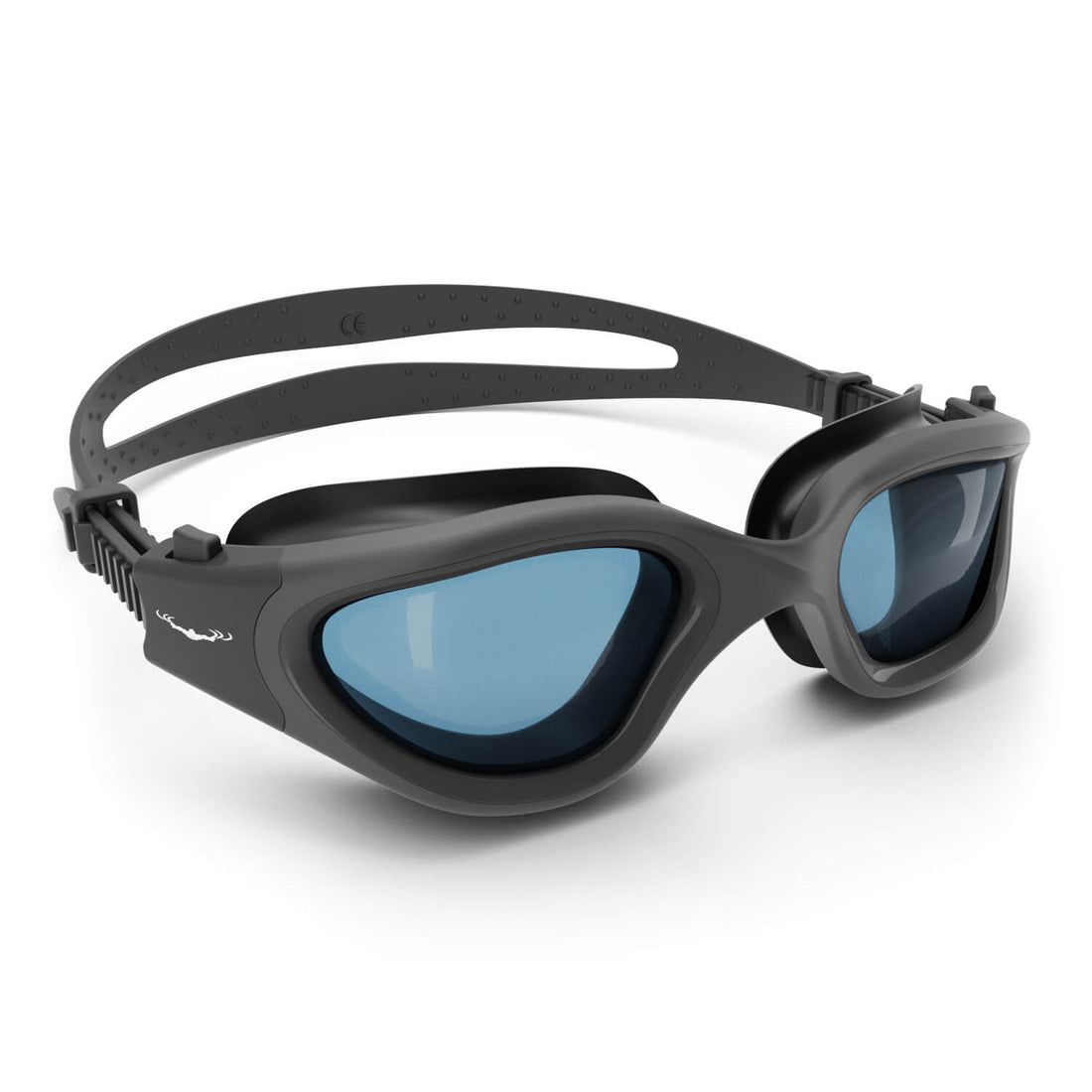
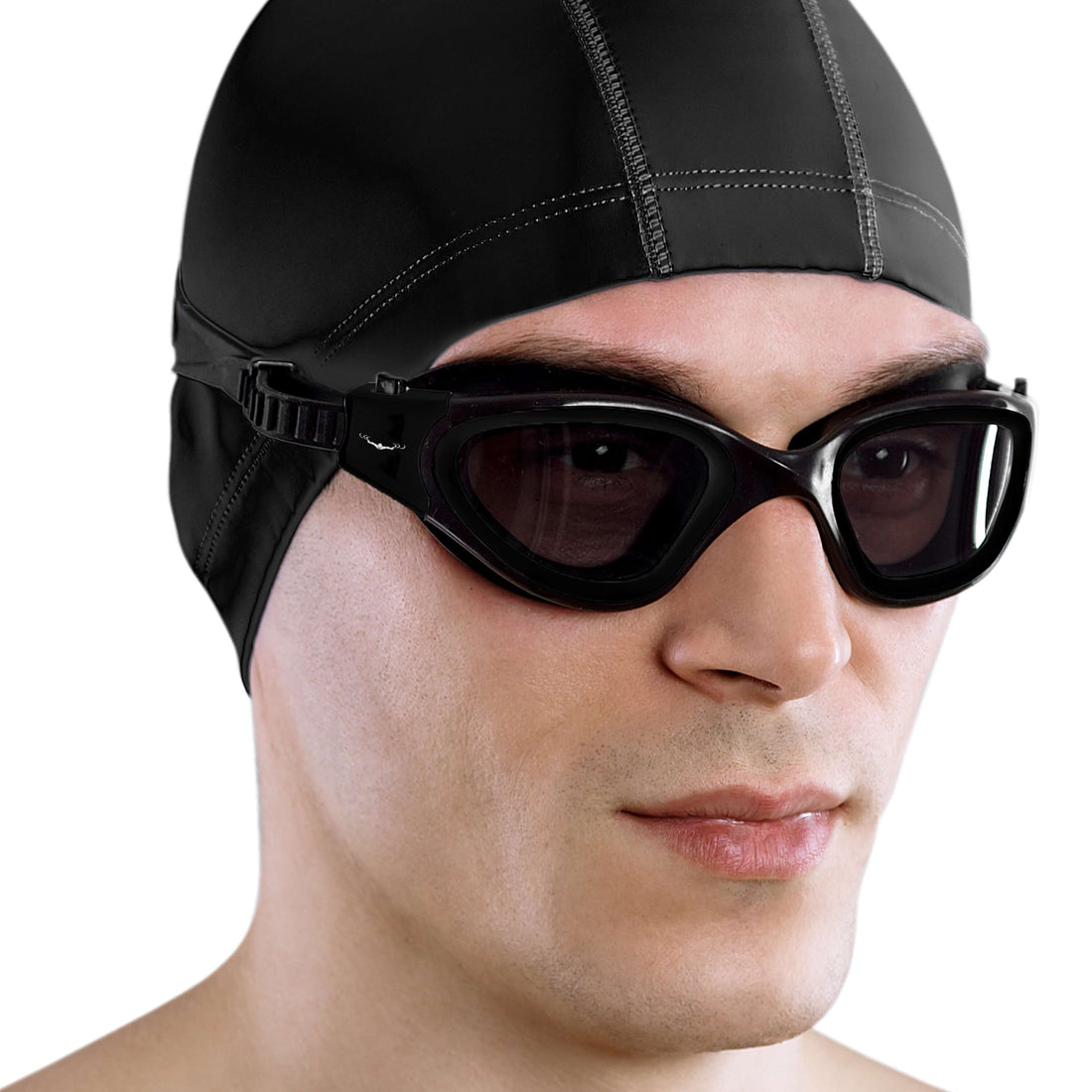
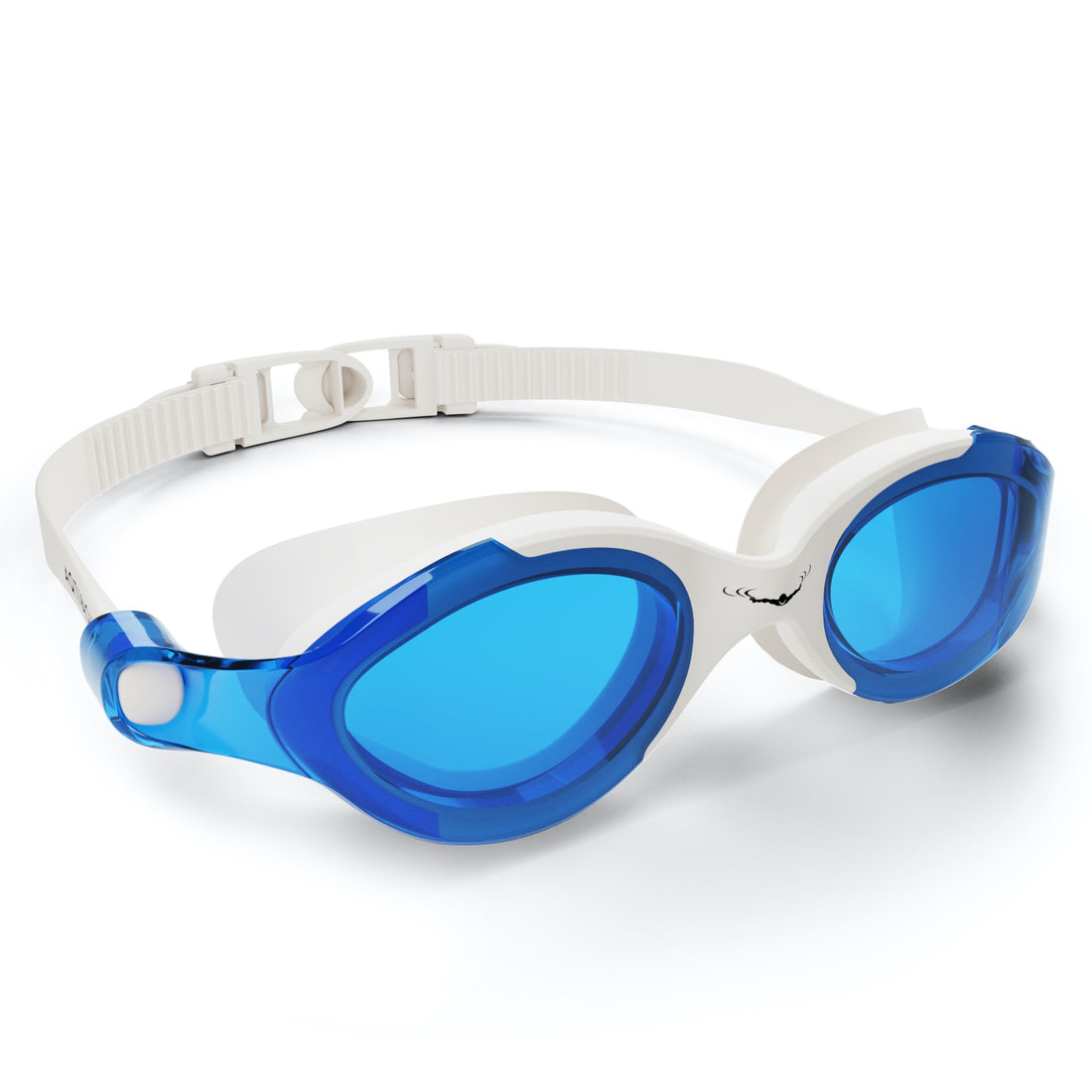
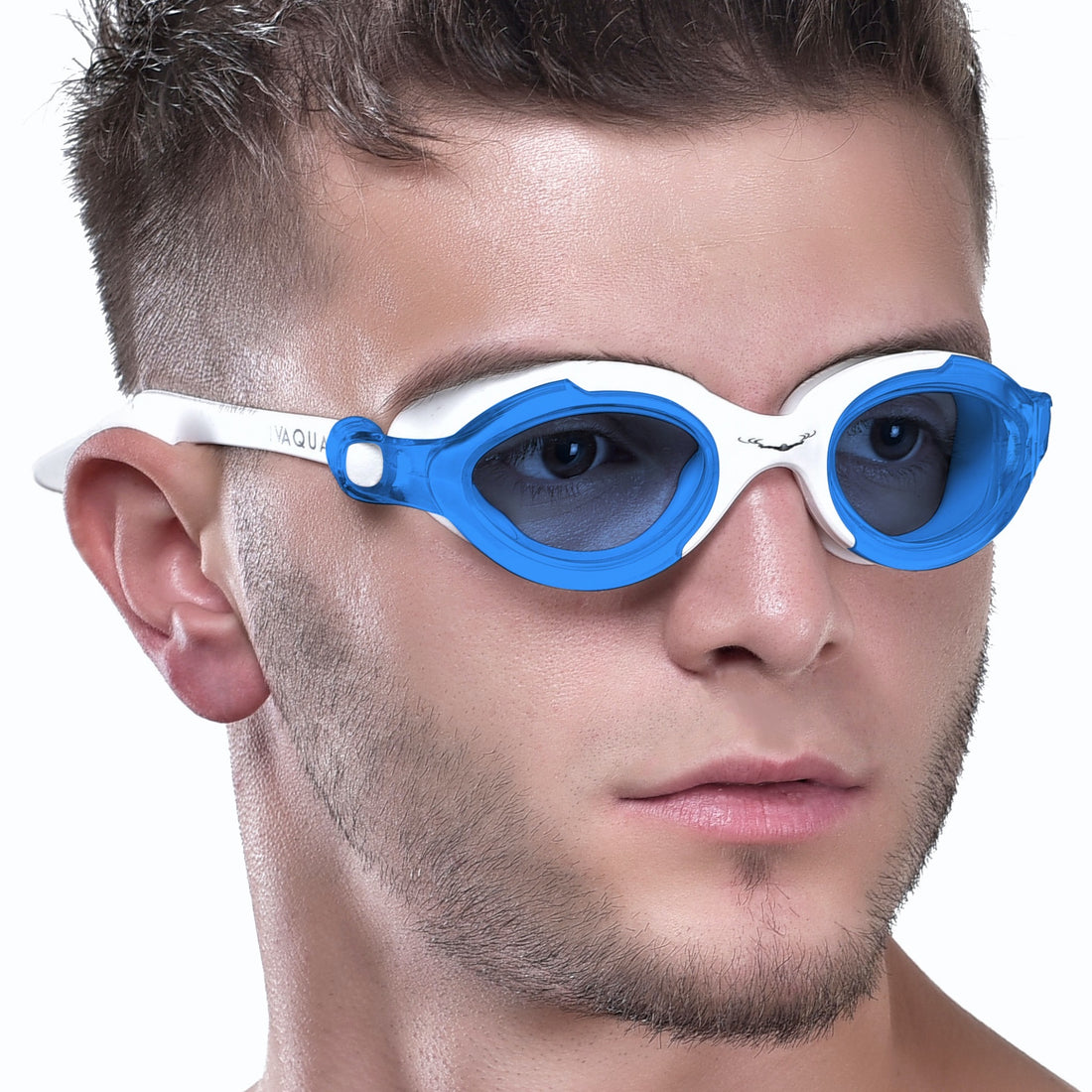
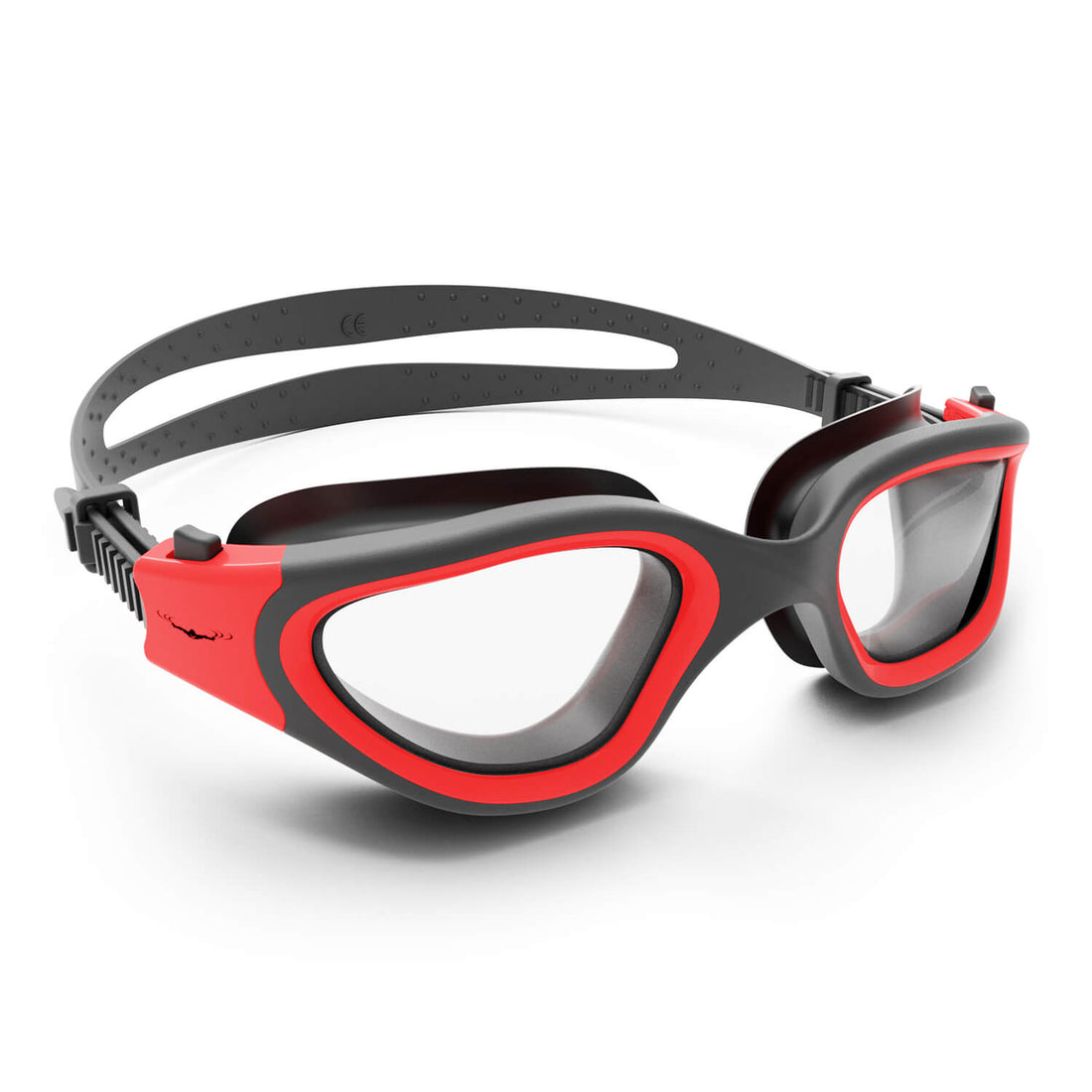
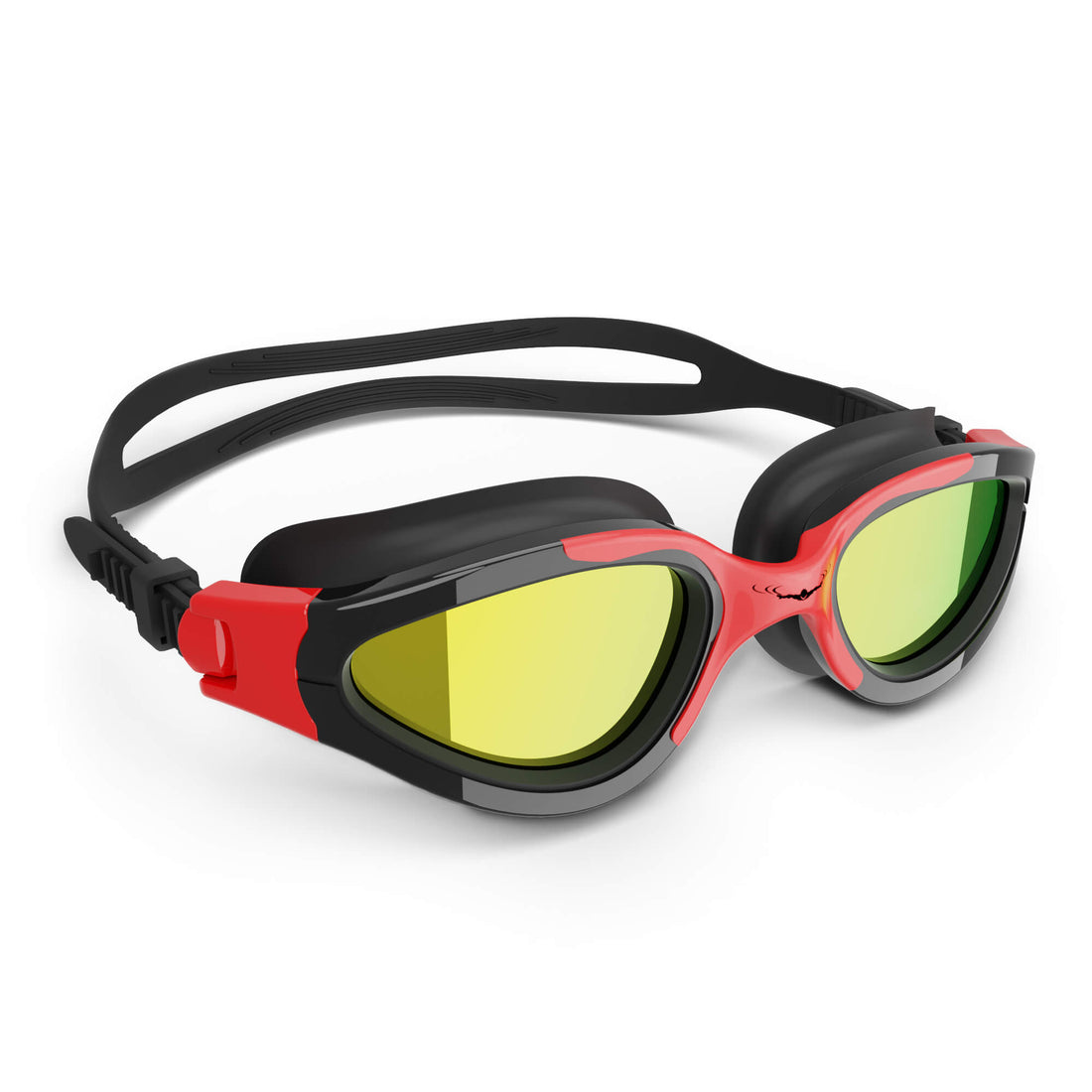
DX Wide View Swim Goggles + SHOCK Protective Case
The DX Wide View Swim Goggles feature 180° polycarbonate lenses that provide clear visibility for indoor and low-light swimming conditions, ensuring that you can focus on your technique. Designed for comfort, the goggles offer soft double-seals that create a leak-free fit, and an easy one-click buckle allows for quick adjustments, even when wet. Additionally, the included SHOCK protective case provides durable storage with quick-dry capabilities, making it a practical choice for regular swimmers.
View Product