

Overview
Preparing for your first swim competition? This guide covers key aspects such as understanding competition types, training regimens, mental preparation, and the importance of comfortable swim goggles. It also includes a race day checklist, logistics, competition etiquette, and post-race reflections to help you succeed and enjoy the experience. Dive in with confidence and enthusiasm!
Table of Contents
- Understanding Swim Competitions
- Types of Swim Competitions
- Preparing for the Big Day
- Training Regimen
- Mental Preparation
- The Importance of Comfortable Swim Goggles
- Fit and Comfort
- Lens Type and Tints
- Race Day Checklist
- Understanding Race Day Logistics
- Warm-Up Session
- Heat Schedule
- Competition Etiquette
- Post-Race Reflections
- Analyze Your Performance
- Celebrate Your Achievements
- Keeping the Competitive Spirit Alive
Key Takeaways
- Understand the Types of Competitions: Familiarize yourself with short course, long course, relay, and open water events to prepare effectively.
- Develop a Consistent Training Regimen: Incorporate ample pool time, endurance training, and strength exercises for optimal performance.
- Focus on Mental Preparation: Use visualization techniques and positive affirmations to build confidence before race day.
- Choose Comfortable Swim Goggles: Ensure a proper fit and select lenses appropriate for your swimming environment to enhance performance.
- Create a Race Day Checklist: Include essentials like your swimsuit, goggles, swim cap, towel, hydration, and warm-up gear.
- Know Race Day Logistics: Familiarize yourself with warm-up times and heat schedules to reduce anxiety on competition day.
- Practice Good Competition Etiquette: Respect competitors, arrive on time, and maintain cleanliness on the pool deck during events.
Are you preparing for your first swim competition? Whether you're a novice athlete or a seasoned swimmer taking on a new challenge, swim competitions can be exhilarating yet intimidating. As you gear up for the big day, understanding what to expect can pave the way to a successful and enjoyable experience. In this article, we will explore the essentials of swim competitions and provide you with the best practices to ensure you are prepared, both mentally and physically. From comfortable swim goggles to competition etiquette, we've got you covered!
Understanding Swim Competitions
Swim competitions are organized events where swimmers compete against one another in various races. These events can be local, regional, or even national and can vary in length, from sprints to long-distance races. Understanding the structure of swim meets will help you feel more at ease on race day.
Types of Swim Competitions
Swim competitions take different forms, often categorized by the distance swum, the pool settings, or the style of swimming involved. Here are some key types of swim competitions:
- Short Course Meets: Typically occur in a 25-meter pool; swimmers race short distances.
- Long Course Meets: Conducted in a 50-meter pool; these races often include longer distances.
- Relay Events: Teams compete against one another, with each swimmer completing a portion of the race.
- Open Water Events: These races take place in natural water bodies, challenging the swimmer's endurance.
Preparing for the Big Day
Preparation is key to performing at your best, both physically and mentally. Here are some crucial areas to focus on as you get ready for your swim competition:
Training Regimen
A consistent training regimen lays the foundation for success in your swim competition. That means ample pool time, endurance training, and technique refinement. Water workouts should be complemented with dryland training such as strength and conditioning exercises specific to swimming.
Mental Preparation
Swimming is not just a physical sport; a strong mindset plays a crucial role in performance. Visualization techniques, mindfulness practices, and positive affirmations can prepare you mentally for the challenges of race day. Picture yourself in the pool, executing your race plan with confidence.
The Importance of Comfortable Swim Goggles
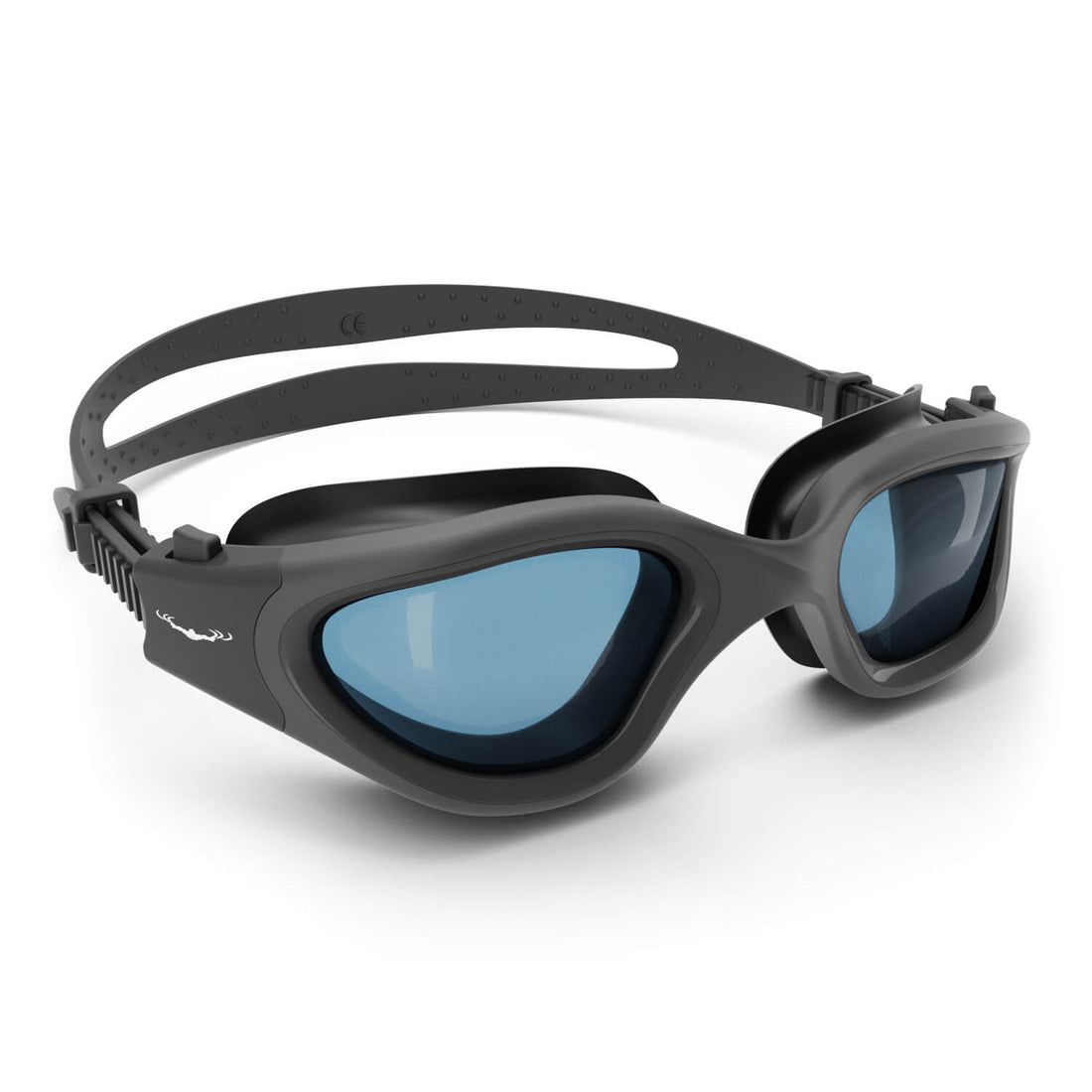
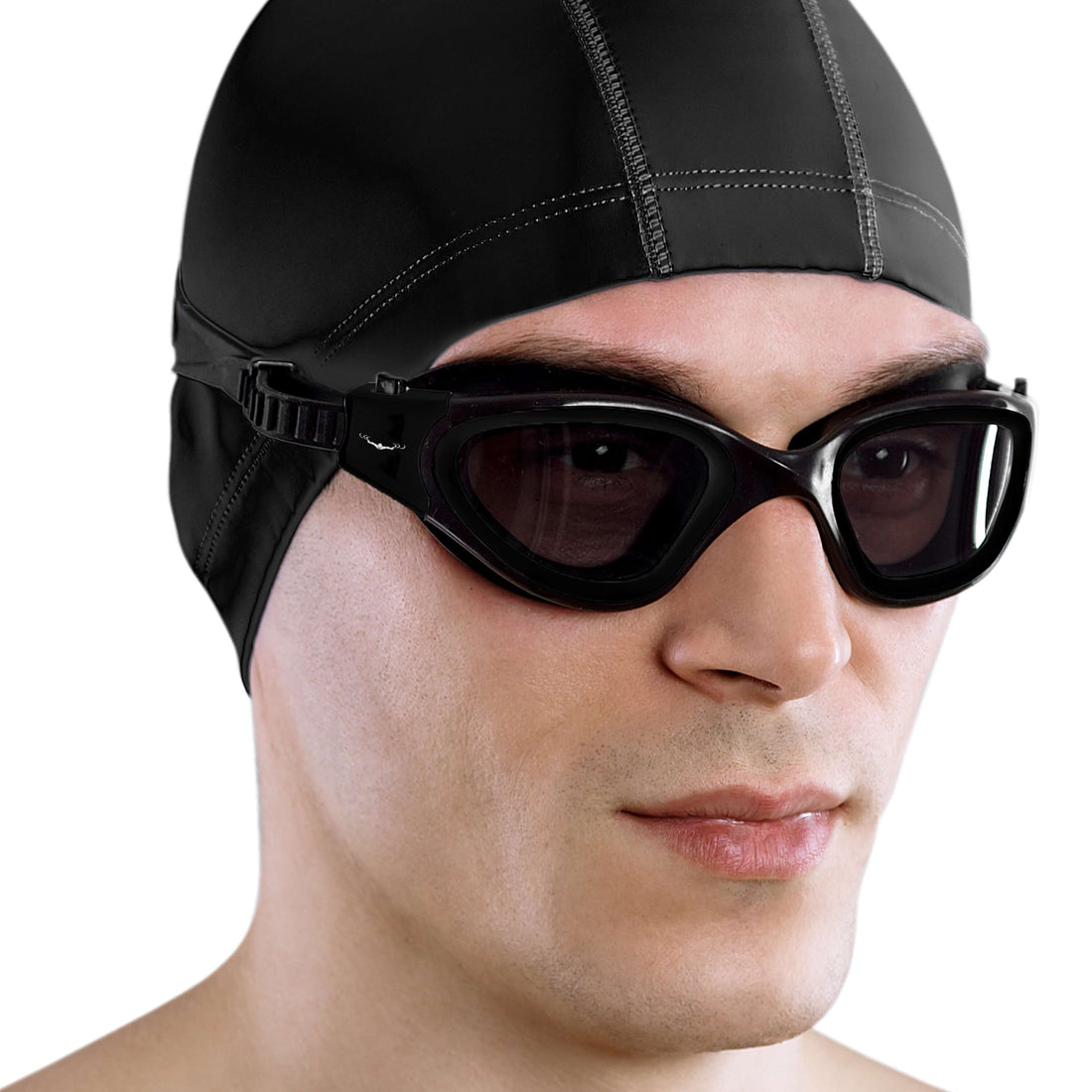
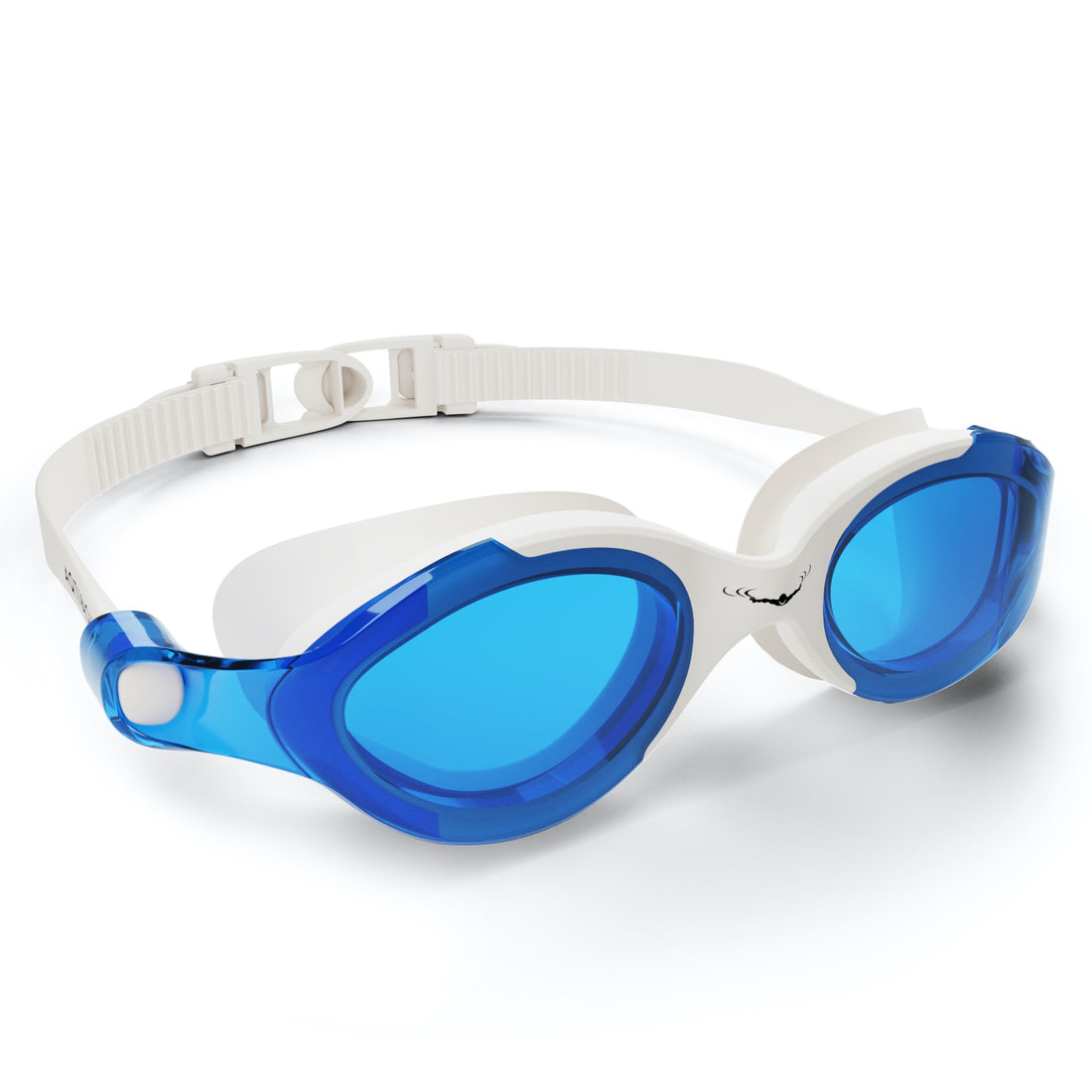
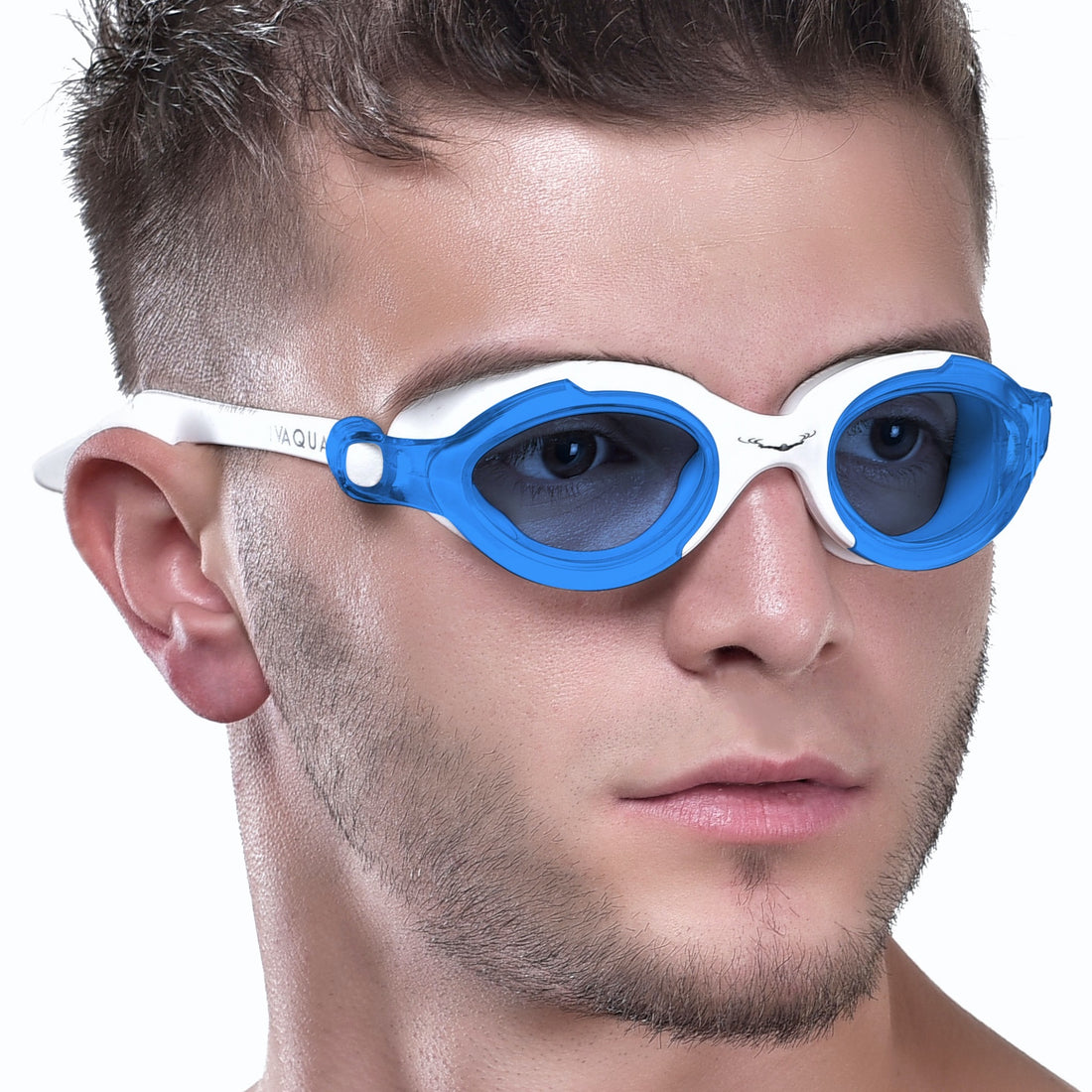
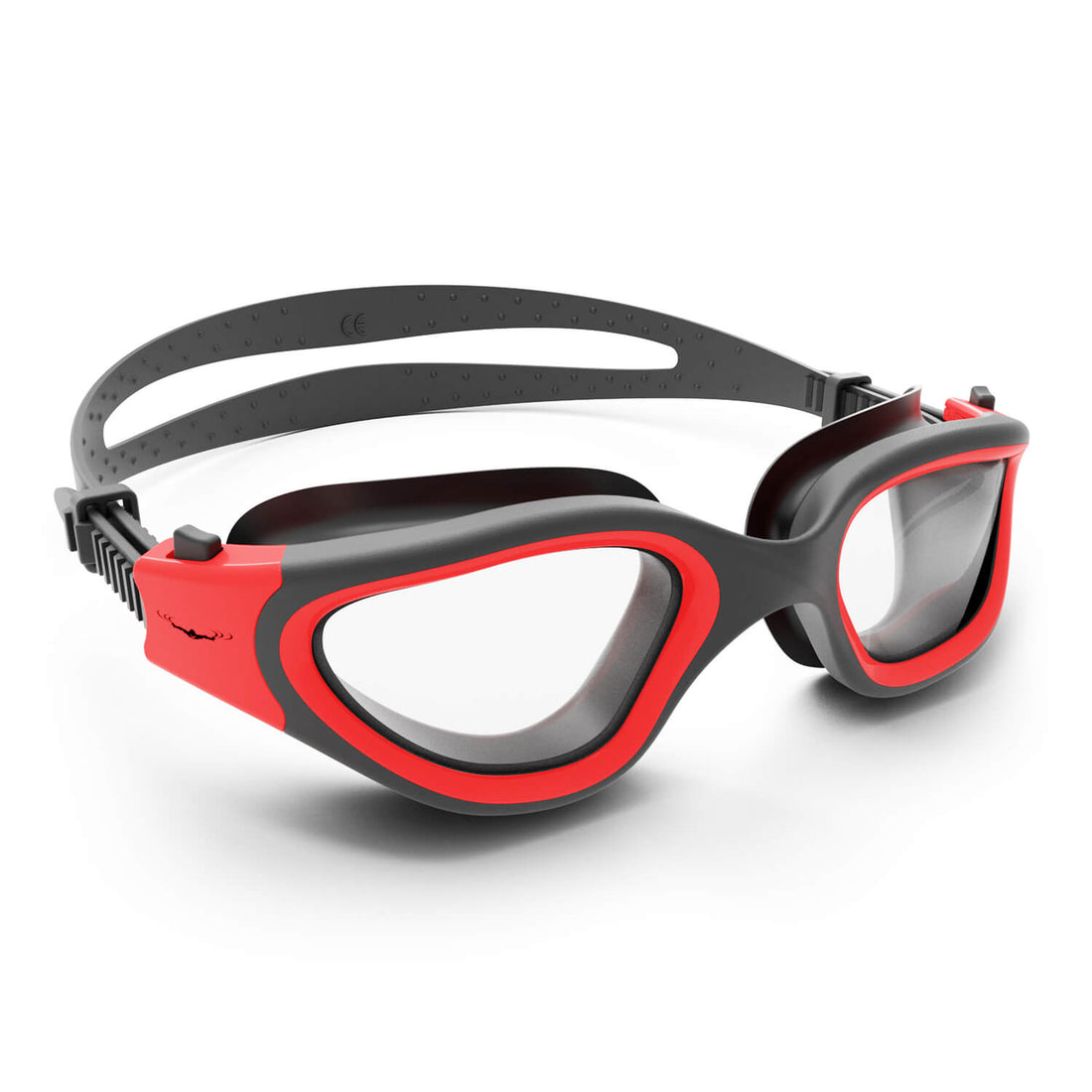
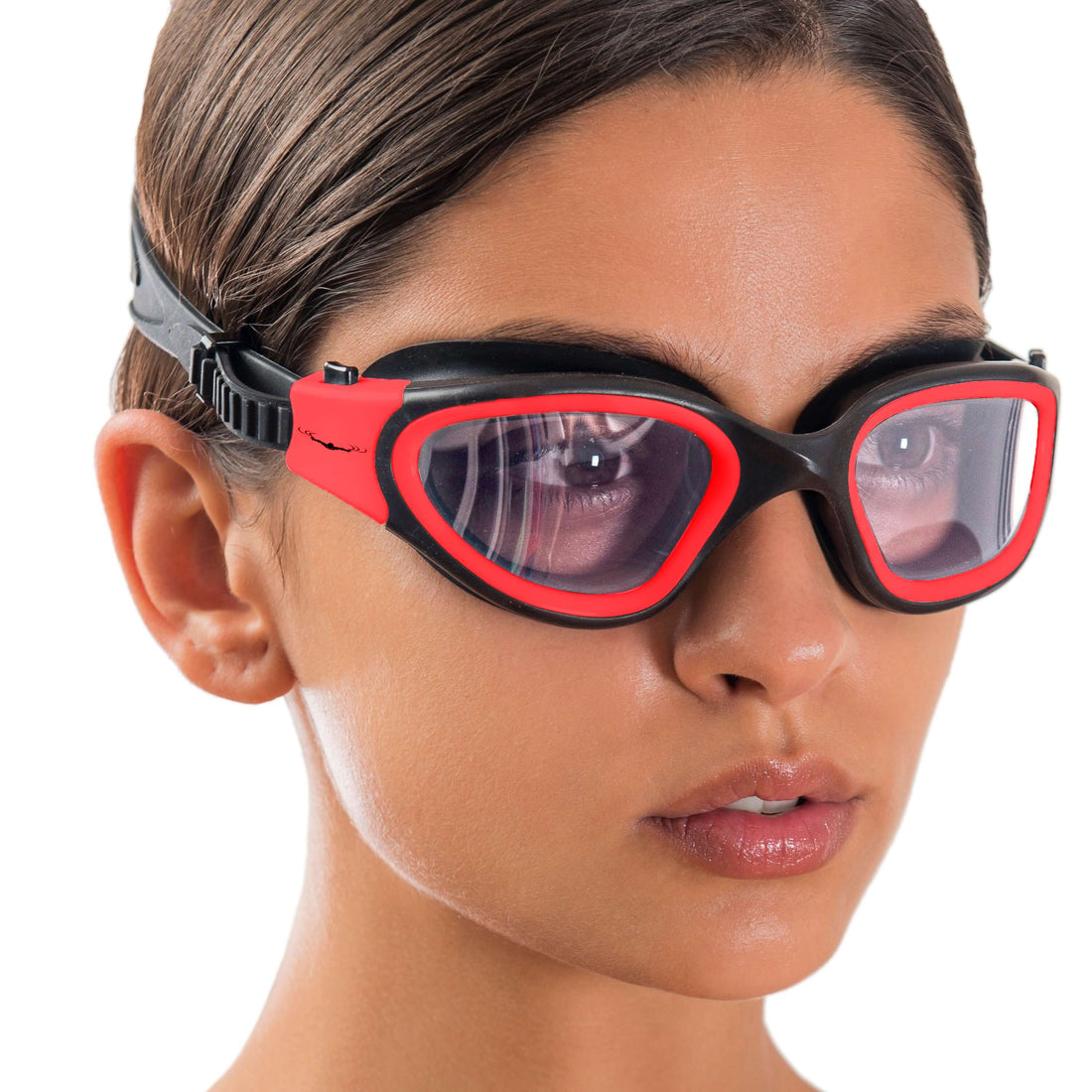
Finding the right swimming goggles can significantly impact your performance. Comfortable swim goggles provide clarity, minimize drag, and can even enhance your confidence in the water. Here are a few factors to consider while choosing your ideal pair:
Fit and Comfort
Your swim goggles should fit snugly without pinching. They should create a seal around your eyes to prevent water from seeping in, allowing you to focus on your stroke and timing rather than adjusting your gear during the race. Test different styles to find the pair that suits you best.
Lens Type and Tints
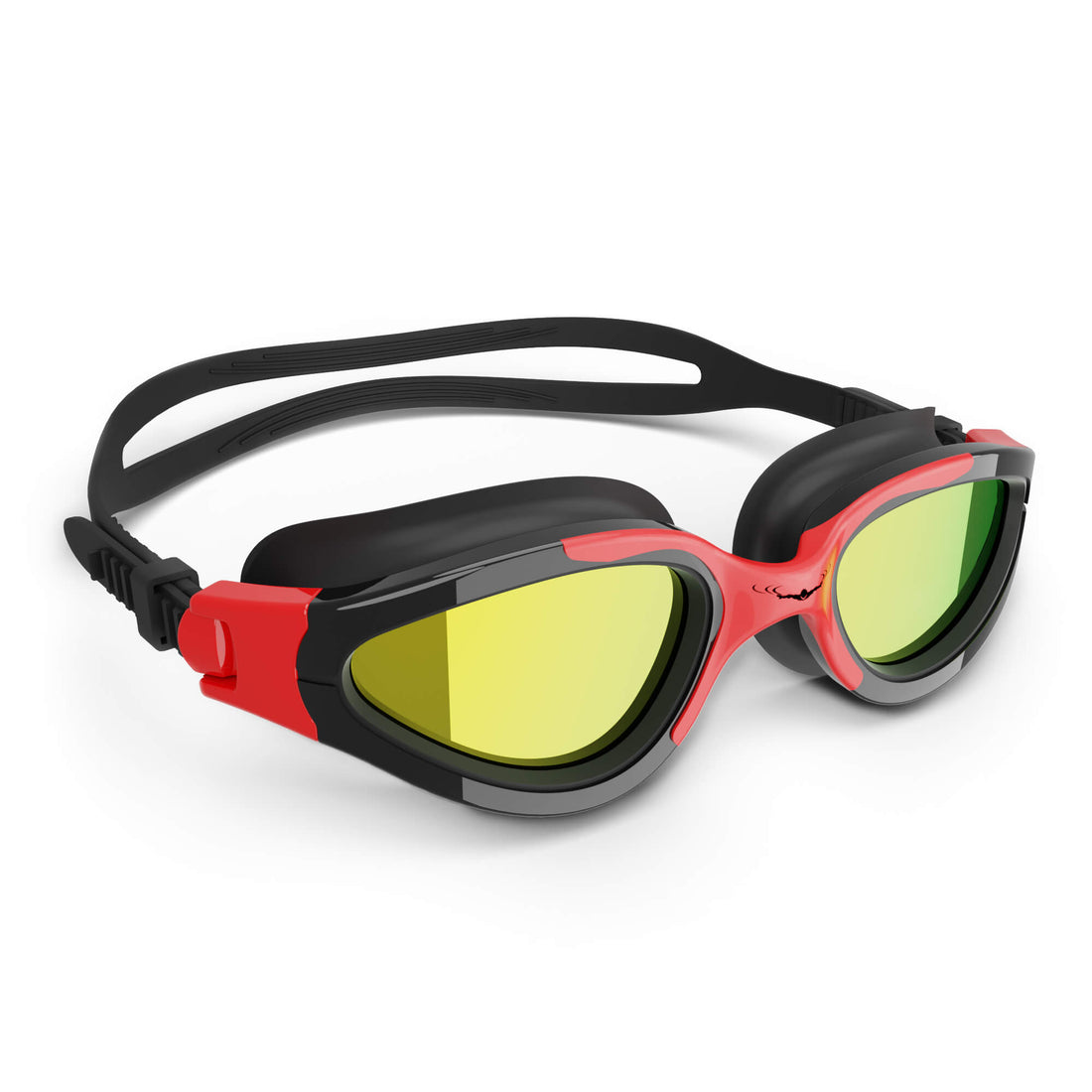
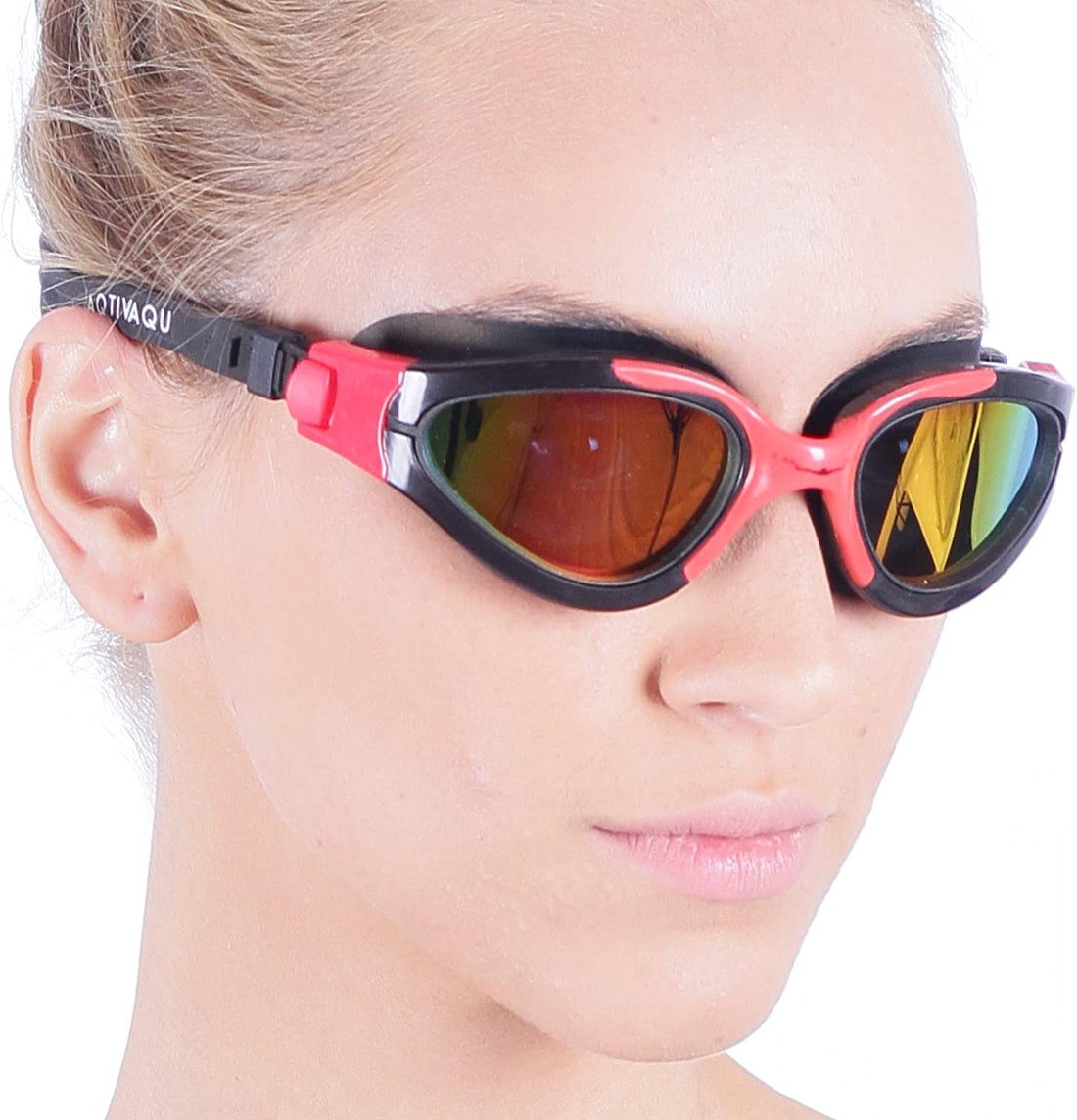
Lens types vary based on your swimming environment. Clear lenses are great for indoor swimming, while tinted or mirrored lenses are better suited for outdoor meets, especially on sunny days. Ensure your comfortable swimming goggles have anti-fog properties, allowing perfect visibility to help you track your competition.
Race Day Checklist
On the day of your swim competition, having a checklist is essential in making sure you have everything you need. Here’s what you should include:
- Swim suit (check for fit and comfort)
- Comfortable swim goggles (test them before you leave)
- Swim cap (if required by your swim team or event)
- Extra towel for drying off
- Water bottle for hydration
- Healthy snacks for energy
- Warm-up gear (sweatpants, jacket)
Understanding Race Day Logistics
Race day can be hectic with warm-ups, heats, and finals. Familiarizing yourself with the schedule can reduce anxiety. Typically, the competition will include:
Warm-Up Session
Most competitions have designated warm-up times in which swimmers can practice their strokes and get accustomed to the pool conditions. Pay attention to this session—it’s essential for maximizing your performance.
Heat Schedule
Swimmers are divided into heats based on their registered times. Review the heat sheets carefully, noting your heat and lane assignment to avoid confusion on race day.
Competition Etiquette
Competing is about sportsmanship. Here are some basic rules to follow:
- Always respect your competitors and officials.
- Arrive at your swim lane promptly when called.
- Shake hands with competitors after races, regardless of the outcome.
- Keep the pool deck clean and free of personal items.
Post-Race Reflections
After your race, it's time to reflect on your performance. Consider the following:
Analyze Your Performance
Take time to reflect on your swim. What went well? What could have improved? Analyzing your performance can lead to enhanced skills and strategies for future competitions.
Celebrate Your Achievements
No matter the outcome, it's important to celebrate the effort you put into preparing and competing. Acknowledge your progress and what you have learned throughout the process.
Keeping the Competitive Spirit Alive
After you’ve experienced your first swim competition, you may feel a rush of excitement and a desire to keep competing. It’s crucial to stay motivated and maintain your training regimen to build on your skills. Consider joining a swim club or participating in local meets to continue your journey in the sport.
In the world of swimming, every competition is not just about racing; it's about personal growth, teamwork, and the sheer joy of being in the water. By keeping in mind all the lessons and practices outlined in this guide, you'll find yourself not only prepared but also eager for your next challenge. Dive into each competition with enthusiasm and determination, and success will follow. Happy swimming!
Frequently Asked Questions
1. What are the different types of swim competitions?
2. How should I prepare for my first swim competition?
3. What should I include in my race day checklist?
4. What is swim competition etiquette?
5. How can I reflect on my performance after a race?
Glossary
| Term | Meaning |
|---|---|
| Swim Competition | Organized events where swimmers race against each other. |
| Short Course Meets | Competitions in a 25-meter pool, focusing on short distances. |
| Long Course Meets | Events held in a 50-meter pool, often featuring longer races. |
| Relay Events | Team races where each swimmer completes a segment of the race. |
| Open Water Events | Races held in natural water bodies, testing endurance. |
| Training Regimen | A consistent schedule of workouts to improve swimming performance. |
| Mental Preparation | Techniques to enhance focus and confidence before competing. |
| Swim Goggles | Eyewear designed to provide clarity and comfort while swimming. |
| Heat Schedule | List of race heats and lane assignments for swimmers. |
| Competition Etiquette | Rules of conduct to ensure respect and sportsmanship during events. |
Linked Product

DX Wide View Swim Goggles + SHOCK Protective Case
The DX Wide View Swim Goggles feature clear, untinted 180° polycarbonate lenses that provide true-color visibility, making them ideal for indoor pools and low-light conditions. With advanced anti-fog technology and a secure, leak-free fit, these goggles ensure sharp vision and comfort during intense swim sessions. The included SHOCK protective case offers durable storage with quick-dry capabilities, making it easy to keep your gear safe and ready for use.
View Product