

Overview
Swimming techniques have evolved significantly over the years, influenced by advancements in technology, training methods, and an understanding of human physiology. From ancient styles like the dog paddle and sidestroke to competitive strokes such as freestyle and butterfly, the sport has seen constant innovation. Modern gear like swim goggles and ear bands enhance performance, while biomechanical analysis and cross-training methods improve training effectiveness. Looking ahead, the integration of AI and smart swim gear promises to further revolutionize swimming techniques, making the future of the sport exciting and dynamic.
Table of Contents
- The Beginnings of Swimming Techniques
- Early Techniques and Cultural Variations
- The Rise of Competitive Swimming
- Establishing Competitive Standards
- The Butterfly Stroke Revolution
- Modern Techniques and Innovations
- The Freestyle Stroke Takes Center Stage
- Enhancements in Swim Gear
- Training Techniques That Changed the Game
- Biomechanics and Swimming
- Cross-Training Methods
- Environmental Considerations in Technique Adaptation
- Adaptive Swimming Techniques
- The Future of Swimming Techniques
- Artificial Intelligence in Swimming
- Smart Swim Gear
- Swimmers' Role in Technique Evolution
- The Impact of Competitive Spirit
- The Last Wave of Evolution
Key Takeaways
- Historical Significance: Swimming techniques have evolved from primitive strokes used for survival to sophisticated methods utilized in competitive sports.
- Competitive Evolution: The 19th century marked the transition of swimming from a survival skill to a competitive sport, leading to standardized strokes like butterfly, backstroke, and freestyle.
- Impact of Technology: Modern swim gear, including swim goggles and ear bands, has significantly enhanced swimmer performance by reducing drag and improving comfort.
- Biomechanics in Training: Understanding biomechanics has allowed for real-time analysis of swimmers' movements, leading to tailored training approaches for improved technique.
- Cross-Training Techniques: Swimmers are increasingly using cross-training methods, such as resistive swimming and plyometrics, to build strength and endurance for better performance.
- Adaptive Techniques: The evolution of swimming now includes adaptive techniques for athletes with disabilities, ensuring inclusivity in the sport.
- Future Innovations: Emerging trends like artificial intelligence and smart swim gear promise to further optimize swimming techniques and performance metrics in the future.
Frequently Asked Questions
1. What is the history of swimming techniques?
2. What are some early swimming techniques?
3. How has competitive swimming changed over time?
4. What modern gear is important for swimmers today?
5. How is technology influencing future swimming techniques?
Swimming has long been a vital skill for survival, recreation, and competition. Over the years, the techniques swimmers use have evolved dramatically. This transformation reflects advancements in technology, changes in training methods, and a deeper understanding of human physiology. In this article, we will explore the fascinating evolution of swimming techniques, how they have improved performance, and the gear that complements these styles—like swim goggles and swim ear bands. Read on to dive deeper into the world of swimming!
The Beginnings of Swimming Techniques
The history of swimming dates back thousands of years, as ancient civilizations recognized the necessity of mastering water. From the primitive strokes of early swimmers to the organized techniques of today, the journey of swimming is one of constant improvement.
Early Techniques and Cultural Variations
In ancient times, swimming styles varied greatly across civilizations. The Greeks were known to employ the overarm stroke, which resembles today’s freestyle. Meanwhile, cultures in Asia developed their unique strokes, such as the dog paddle and sidestroke, relying heavily on their local environments.
- The Dog Paddle: This technique involves a basic flailing motion performed in shallow waters. It remains a common style for children learning to swim.
- The Sidestroke: Popular in the 19th century, this technique allows for a more relaxed position while swimming. It was often used by lifeguards due to its endurance-friendly nature.
The Rise of Competitive Swimming
As swimming transitioned from a survival skill to a competitive sport during the 19th century, formal techniques emerged, driven largely by the need for speed and efficiency.
Establishing Competitive Standards
Competitive swimming adopted standardized strokes, leading to the development of butterfly, backstroke, and freestyle techniques. The introduction of competitive events spurred the innovation of training methods, which focused on optimizing swim techniques for maximum speed.
The Butterfly Stroke Revolution
The butterfly stroke, originally derived from the breaststroke, made its debut in competitive swimming in the 1930s. While challenging to master, athletes found it to be a highly effective way to gain speed. This stroke requires a strong undulating motion, which became easier with the advent of modern swim gear, like swim goggles.
Modern Techniques and Innovations
The last few decades have seen significant advancements in swim techniques, closely tied to technological innovations in swim gear. Swimmers are now not only faster but also more efficient than ever before.
The Freestyle Stroke Takes Center Stage
The freestyle stroke has become the most popular swimming technique. It is characterized by a front crawl movement, which includes alternating arm strokes and a flutter kick. This technique maximizes propulsion and minimizes resistance, propelled by increased understanding of aquatic dynamics.
Enhancements in Swim Gear
Modern swimmers rely heavily on advanced swim gear, including:
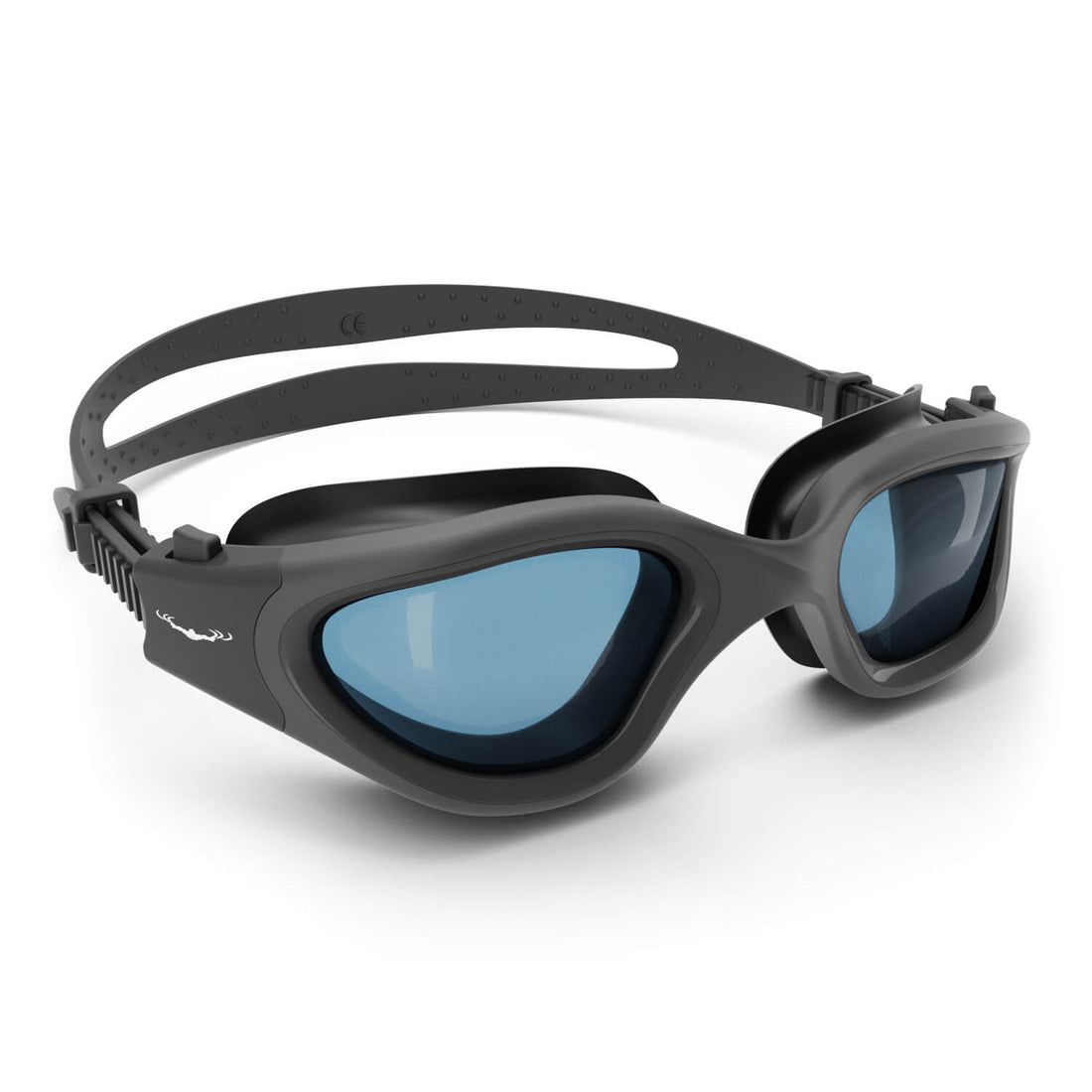
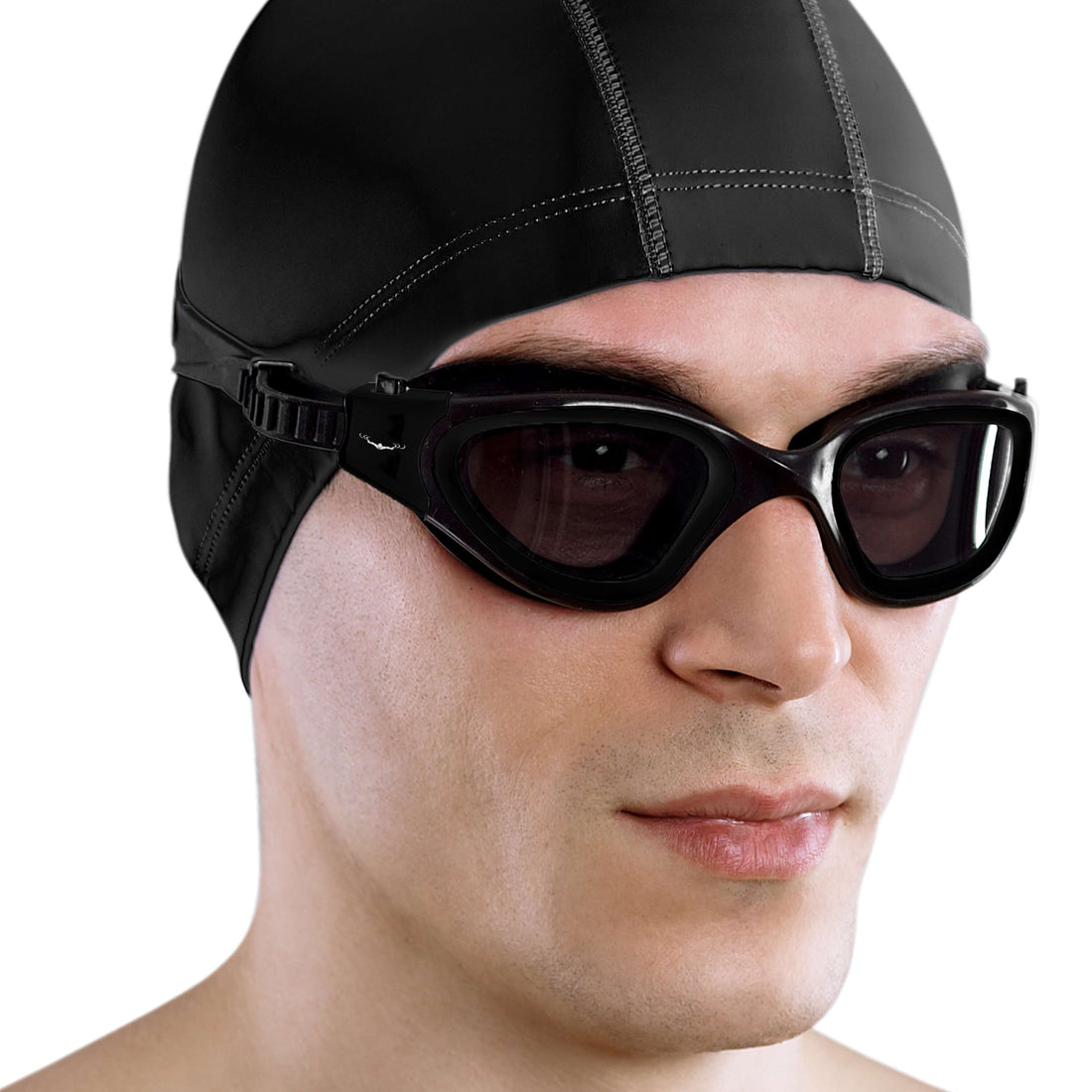
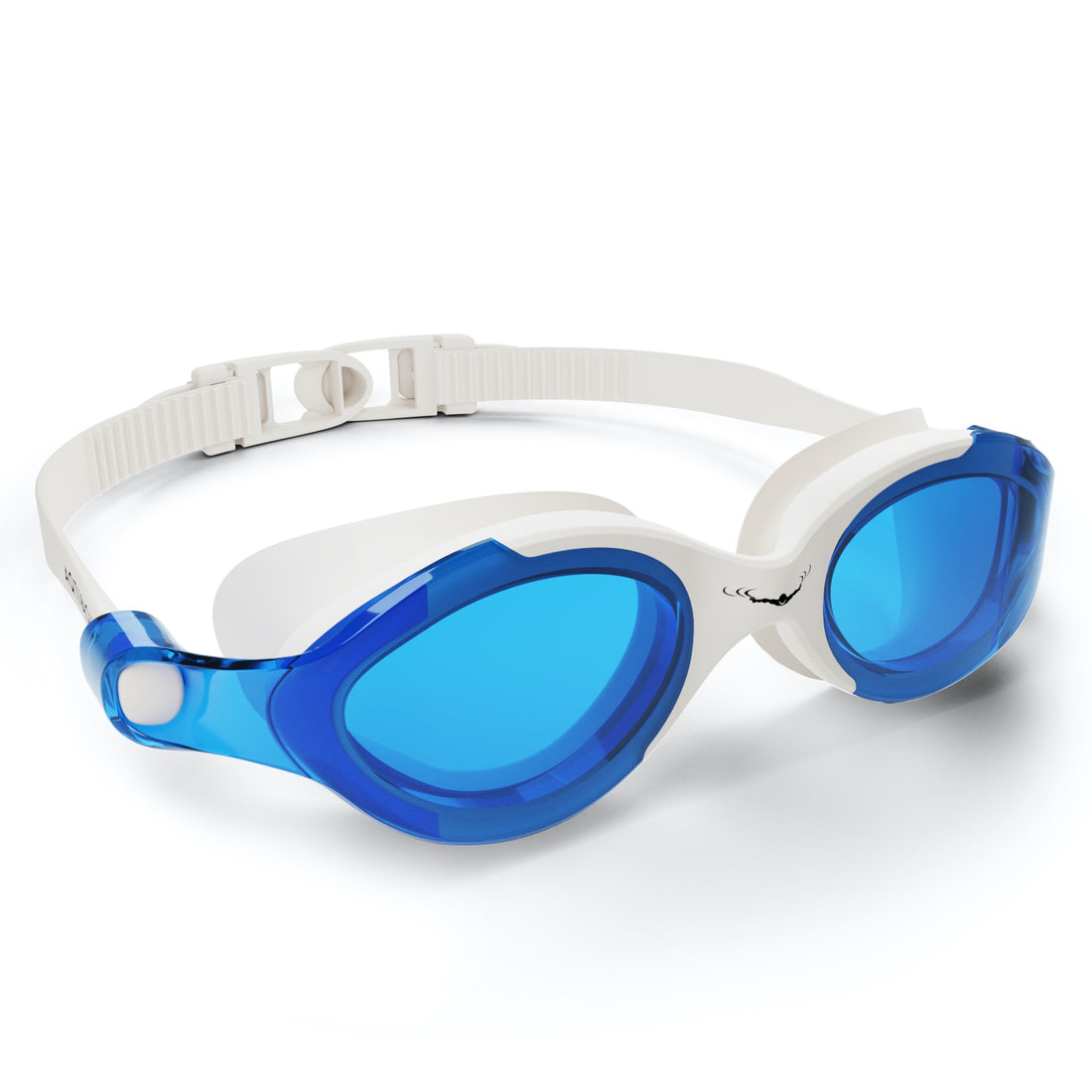
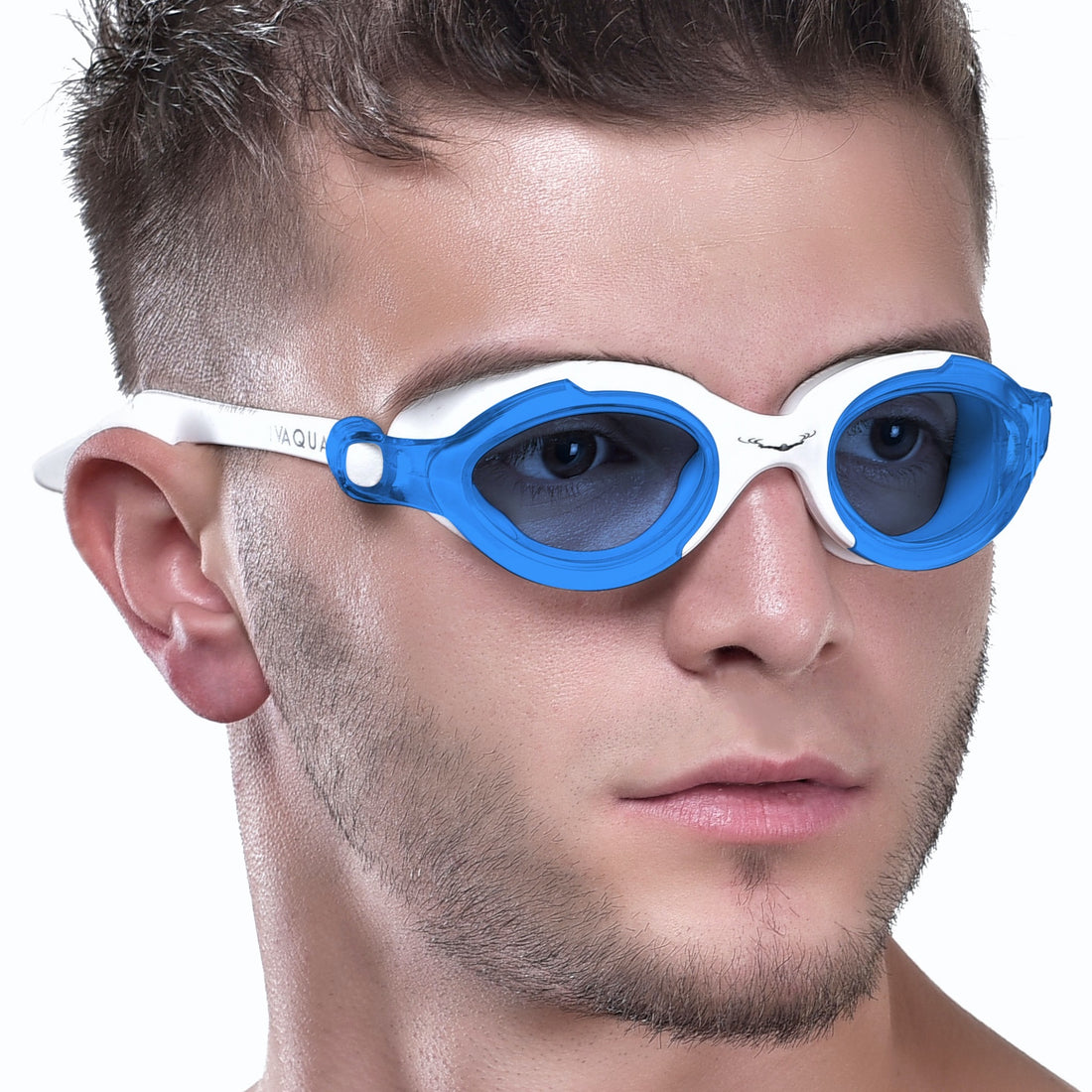
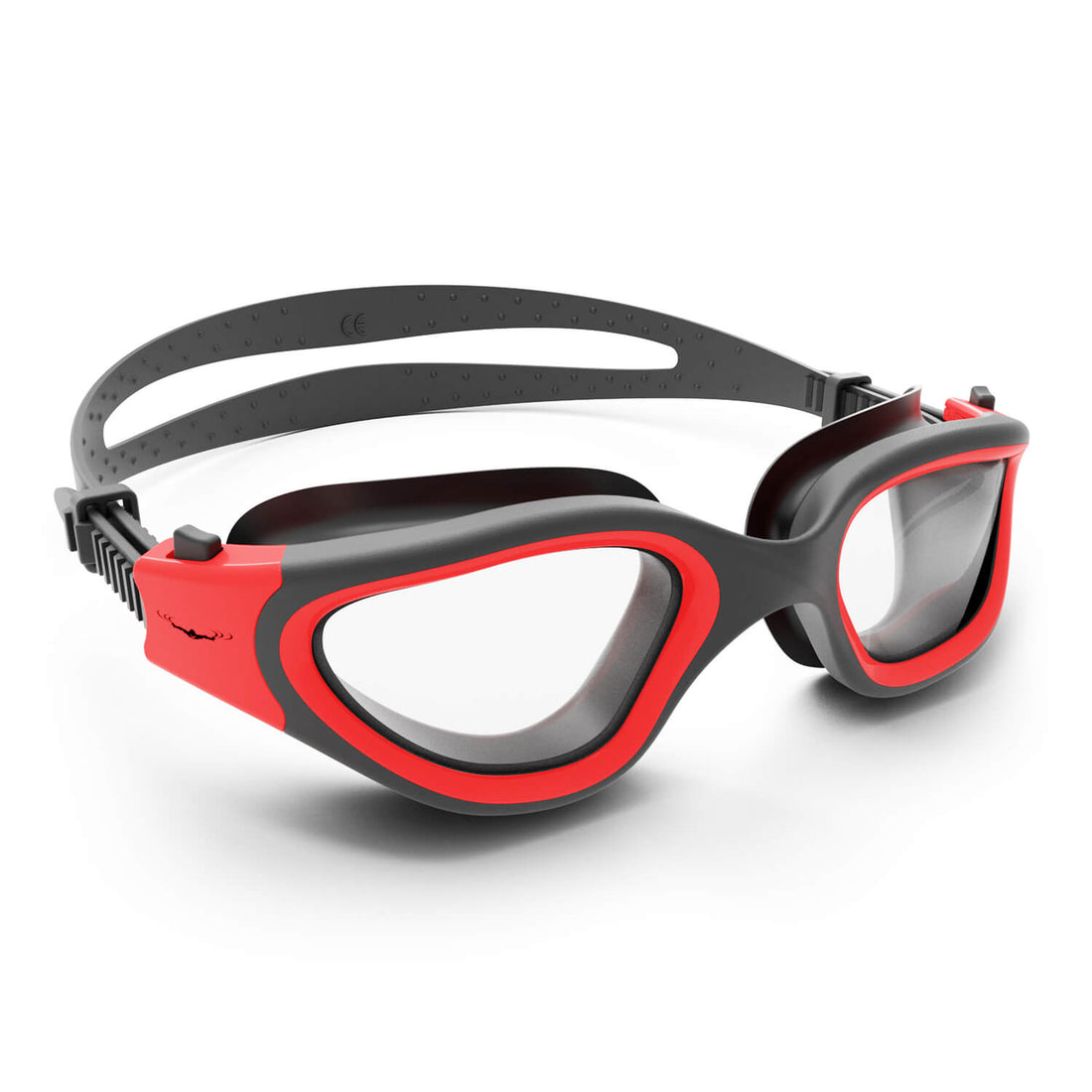
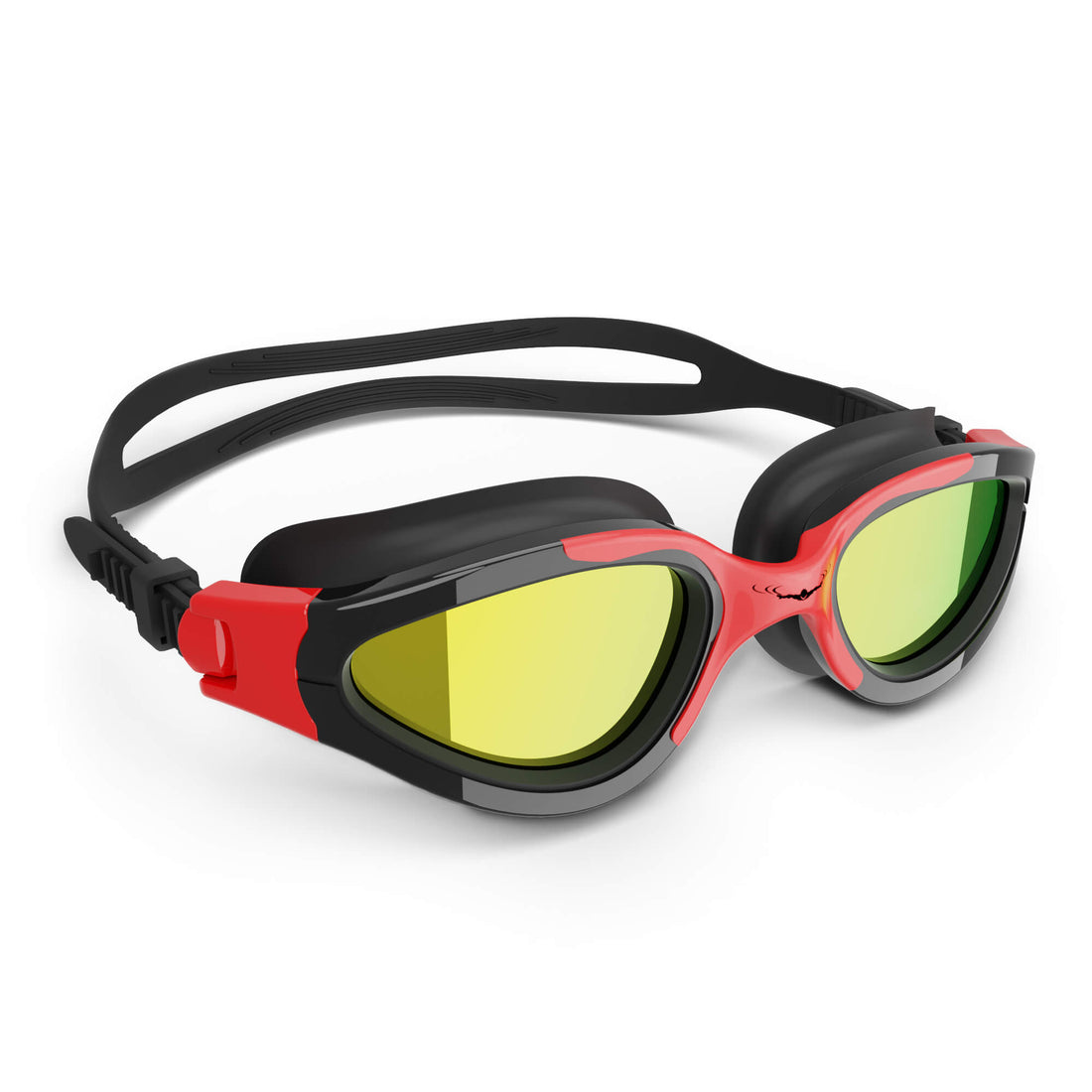
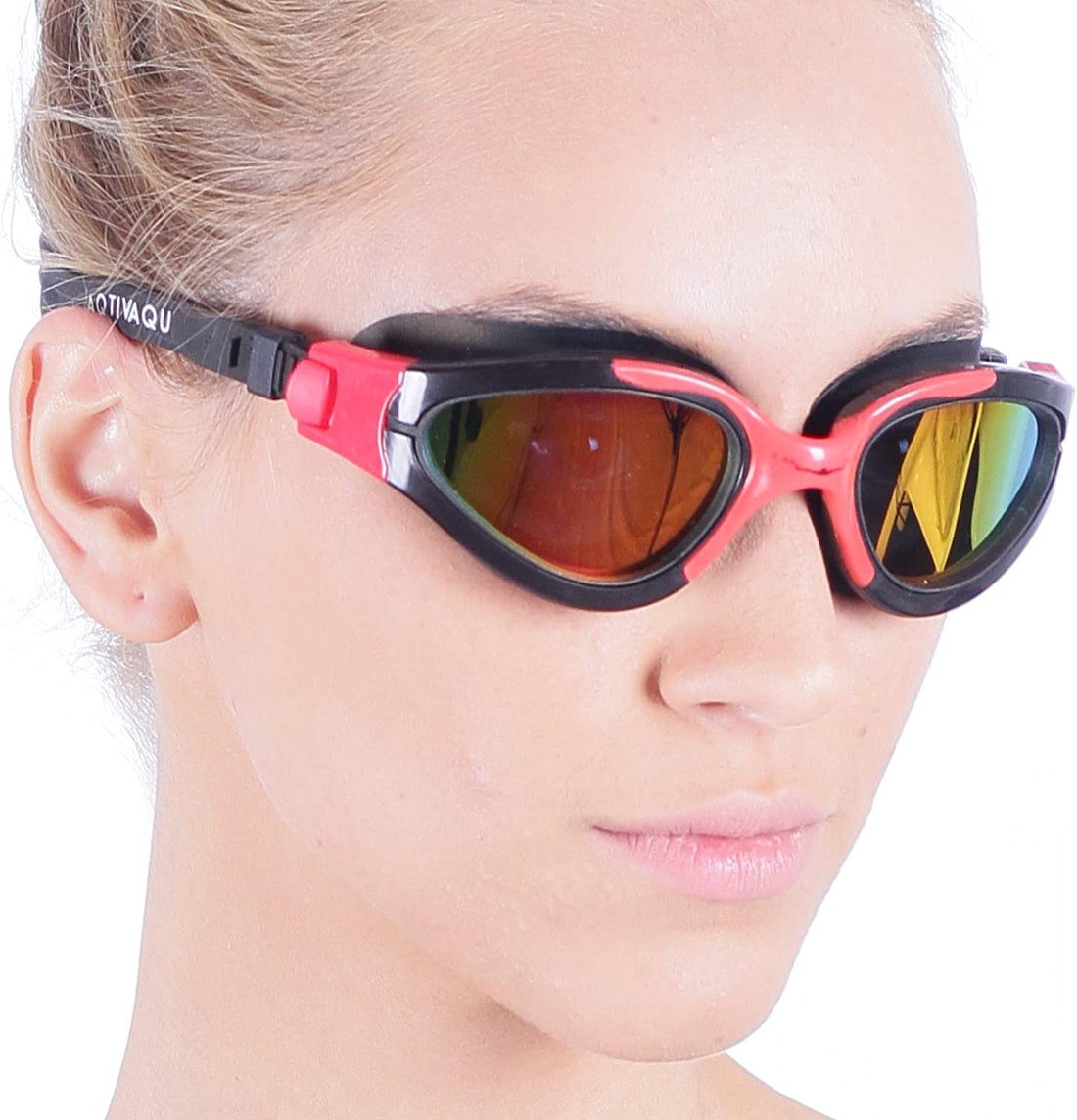
- Swim Goggles: These essential tools reduce drag and improve visibility underwater, enabling swimmers to maintain their pace while ensuring comfort.
- Swim Ear Bands: Used by many athletes, these bands help prevent water from entering the ears, a common hindrance during swimming. They allow swimmers to focus entirely on their performance.
Training Techniques That Changed the Game
The evolution of swimming techniques is also closely linked to training innovations. Coaches and athletes now leverage science to optimize their training regimens.
Biomechanics and Swimming
Understanding biomechanics has revolutionized swimming performance. Coaches analyze swimmers’ movements in real-time to identify areas for improvement, leading to more tailored training approaches that enhance technique and speed.
Cross-Training Methods
Swimmers are increasingly incorporating cross-training methods to build strength and endurance. Practices such as resistive swimming, plyometrics, and swimming with weights help develop muscles that are crucial for powerful strokes.
Environmental Considerations in Technique Adaptation
The evolution of swimming is not only about technique enhancements but also the recognition of environmental factors. Swimmers adapt their styles based on water conditions, temperatures, and distances.
Adaptive Swimming Techniques
As swimming becomes more inclusive, adaptive swimming techniques are developing for athletes with disabilities. These adaptations ensure that everyone can benefit from the joy of swimming, regardless of physical limitations.
The Future of Swimming Techniques
As we move into the future, technological advancement and deepening scientific understanding of athletics will likely shape the evolution of swimming techniques further.
Artificial Intelligence in Swimming
Emerging trends indicate that artificial intelligence may soon play a role in optimizing swim techniques. Using data analytics, athletes may receive personalized coaching that can adapt in real time during training.
Smart Swim Gear
Gear advancements continue with innovations such as smart swim goggles that track performance metrics, while new materials are being explored for swimwear to further reduce drag and enhance buoyancy.
Swimmers' Role in Technique Evolution
The evolution of swimming is a collaborative process, heavily dependent on both athletes and coaches. Swimmers striving for excellence continuously push the limits of techniques and gear usage.
The Impact of Competitive Spirit
The competitive spirit in swimming drives innovation. As athletes push themselves to achieve world records, they refine their techniques and influence future generations of swimmers. This cycle of improvement is essential for the ongoing evolution of swimming.
The Last Wave of Evolution
The journey of swimming techniques is a testament to human ingenuity and the relentless pursuit of improvement. From ancient civilizations mastering basic strokes to today's elite athletes harnessing technology for optimal performance, each phase reflects the historical context and need for efficiency. As we look forward, the fusion of traditional skills with advanced science creates a promising horizon for aspiring swimmers. So, whether you're a novice or an elite athlete, remember that every stroke you take is part of a grand evolution, leading to the unexplored waters of the future!
Glossary
| Term | Meaning |
|---|---|
| Freestyle | A swimming technique characterized by front crawl movement. |
| Butterfly Stroke | A challenging stroke with a strong undulating motion, derived from breaststroke. |
| Sidestroke | A relaxed swimming technique popular among lifeguards. |
| Dog Paddle | A basic flailing motion used by beginners in shallow water. |
| Swim Goggles | Gear that reduces drag and improves underwater visibility. |
| Swim Ear Bands | Bands that prevent water from entering the ears during swimming. |
| Cross-Training | Incorporating different exercises to build strength and endurance for swimming. |
| Biomechanics | The study of movement that enhances swimming performance. |
| Adaptive Swimming | Techniques designed for athletes with disabilities to enjoy swimming. |
| Smart Swim Gear | Innovative equipment that tracks performance metrics during swimming. |
Linked Product

DX Wide View Swim Goggles + SHOCK Protective Case
The DX Wide View Swim Goggles feature 180° clear lenses that enhance visibility in various lighting conditions, allowing swimmers to focus on their technique. With advanced anti-fog capabilities and a comfortable fit, these goggles ensure a distraction-free experience in the pool. The included SHOCK protective case provides convenient storage while keeping the goggles safe and ready for use.
View Product