

Overview
Swimming has evolved from a prehistoric survival skill to a cherished competitive sport, with a rich history marked by early civilizations, the Renaissance, and modern advancements. Key developments include the establishment of formal competitions, the inclusion of women in the Olympics, and innovations in swim gear like anti-fog goggles and streamlined swim caps. Today, swimming is a global sport enjoyed by millions, continuously evolving with new technologies and encouraging future generations to participate.
Table of Contents
- Early Beginnings
- Ancient Civilizations and Swimming
- The Renaissance and the Shift to Competitive Swimming
- The Birth of Modern Competitive Swimming
- The Development of Swimming Competitions
- Women in Swimming Competitions
- The Rise of Technology in Swimming
- World Championships and Global Expansion
- Swimming in the Modern Era
- Diversity in Swimming Events
- The Role of Equipment in Competitive Swimming
- Gearing Up for Success
- The Future of Swimming as a Sport
- Encouraging the Next Generation of Swimmers
- Embracing the Rich Tradition of Swimming
Key Takeaways
- Historical Significance: Swimming has been practiced for over 10,000 years, with evidence found in ancient cave paintings.
- Competitive Origins: Swimming became a competitive sport in ancient Greece and was included in the first modern Olympic Games in 1896.
- Women's Participation: Women made their competitive swimming debut at the 1912 Stockholm Olympics, marking a key moment in sports history.
- Technological Advancements: Innovations like anti-fog swim goggles and advanced swimwear have significantly enhanced performance and comfort for athletes.
- Diverse Disciplines: Modern swimming features various events, including freestyle, breaststroke, butterfly, and individual medley, each with unique techniques.
- Future of the Sport: The evolution of swimming continues with new technologies and training methods, making the sport more accessible and exciting.
- Community Engagement: Programs and leagues are being established globally to encourage youth participation in swimming, promoting health and teamwork.
Swimming has long been regarded as one of humanity's most important and cherished activities. From being a necessary survival skill to a thrilling competitive sport, swimming has undergone a remarkable transformation over the centuries. This blog post will take you through the rich history of swimming as a sport, exploring its origins, evolution, and the essential gear that has shaped it, including vital equipment like anti-fog swim goggles and swim caps.
Early Beginnings
The activity of swimming dates back to prehistoric times, with evidence suggesting that humans have been using their swimming skills since at least 10,000 years ago. The earliest artifacts of swimming can be traced to paintings in the Cave of Swimmers in Egypt's Gilf Kebir, indicating that swimming was practiced even in ancient civilizations. These early swimmers likely engaged in the sport out of necessity, whether for survival, transportation, or fishing.
Ancient Civilizations and Swimming
In ancient cultures, swimming took on various forms and purposes. The Greeks, for instance, valued swimming skills for military training and considered it a crucial ability for their athletes. Swimming competitions were part of the ancient Olympic Games starting in 776 BC, which further fueled its popularity. The Romans also appreciated swimming, establishing grand bathhouses that included swimming areas where both leisure swimming and organized competitions occurred.
The Renaissance and the Shift to Competitive Swimming
Although swimming did not maintain its stronghold in the medieval period, the Renaissance sparked a renewed interest in swimming. In the late 19th century, swimming began transitioning into a more formalized competitive sport. Competitions began to gain prominence in Europe, leading to the establishment of swimming clubs and associations.
The Birth of Modern Competitive Swimming
The first international swimming competition took place in London in 1844, showcasing styles that were distinct and innovative for the time. The introduction of the "Native American" swimming style drew considerable attention and inspired others to participate. By the end of the 19th century, various swimming styles began to emerge, with the freestyle becoming widely popular among competitors.
The Development of Swimming Competitions
The establishment of swimming as a formal sport came with the founding of federations and regulations. In 1880, the National Swimming Society of Great Britain organized its first competition, marking a significant turning point in the sport's organization. Swimming was included in the first modern Olympic Games in Athens in 1896, featuring just two events: men's 100 meters and men’s 1200 meters freestyle.
Women in Swimming Competitions
Women made their debut in competitive swimming at the 1912 Stockholm Olympics, where the 100 meters freestyle event was held. This pivotal moment in sports history showcased the emergence of female athletes and undoubtedly increased interest in swimming as a sport among women. The inclusion of swim caps became prevalent not only as a functional piece of equipment but also as a symbol of the evolving landscape of sports, promoting inclusivity.
The Rise of Technology in Swimming
As swimming grew in popularity during the 20th century, so did the technology surrounding it. Advances in swimwear design transformed the sport, with competitive swimsuits being optimized for speed and efficiency. Key innovations like anti-fog swim goggles greatly enhanced the athletes' experience, allowing swimmers to dive into the water without concerns about fogging that could obstruct vision.
World Championships and Global Expansion
The early 20th century witnessed the establishment of world championships in swimming, providing swimmers with a platform to showcase their talents internationally. The International Swimming Federation (FINA) was founded in 1908, formalizing regulations that governed swimming competitions worldwide. Over the next several decades, the Olympics solidified swimming's status as a premier sporting event that millions tune in to watch.
Swimming in the Modern Era
Today, swimming is one of the most popular sports globally, enjoyed by millions for both competition and recreation. It remains a staple event in the Olympic Games, showcasing extraordinary athletes who push the boundaries of human capabilities in the water.
Diversity in Swimming Events
Modern swimming includes a variety of disciplines, ranging from freestyle and breaststroke to butterfly and individual medley events. Each style brings its own set of challenges and techniques, evolving with the athletes’ needs and the equipment available. The ongoing enhancement of swim caps, goggles, and swimwear continues to influence performance, ensuring swimmers can compete at the highest levels.
The Role of Equipment in Competitive Swimming
Over the years, swim equipment has played an integral part in the evolution of competitive swimming. From the early days of basic swimsuits to the sophisticated materials we see today, equipment design has progressed remarkably. Essential gear such as anti-fog swim goggles and streamlined swim caps have become staples for serious swimmers, enhancing visibility and reducing resistance in the water.
Gearing Up for Success
Preparation for competitive swimming requires the right equipment. Athletes look for accessories that provide comfort and performance enhancements. Anti-fog swim goggles, for instance, help maintain clarity under water, allowing competitive swimmers to focus on their strokes rather than their vision. Swim caps not only help to streamline a swimmer's shape in the water but also reduce drag and help keep hair dry during practice sessions and competitions.
The Future of Swimming as a Sport
As swimming continues to evolve, it will undoubtedly see advancements not only in performance techniques but also in technology. With the introduction of virtual swimming competitions and enhanced training methods, the accessibility and excitement of swimming as a competitive sport will only increase. New technologies aimed at enhancing swimsuits and goggles are continuously emerging, ensuring swimmers stay ahead of the curve. This period of innovation signals a bright future for swimming.
Encouraging the Next Generation of Swimmers
Encouraging young athletes to pursue swimming can yield incredible benefits for their health, discipline, and teamwork. Communities worldwide are establishing programs and competitive leagues to nurture future talent in swimming. By emphasizing the importance of safety and familiarity with water, we can help cultivate a generation of skilled swimmers who will uphold the legacy of this timeless sport.
Embracing the Rich Tradition of Swimming
Swimming as a sport boasts a rich history that illustrates the human spirit's desire to challenge boundaries and explore the world. From prehistoric times to today’s technological advancements, swimming has connected generations across cultures and contributed to the global sporting community. It is a sport rich in tradition, and its evolution serves as a testament to our capability and resilience.
So whether you’re taking your first strokes in the water, donning anti-fog swim goggles for the next competition, or simply enjoying the refreshing embrace of a swimming pool, remember: swimming is more than just a sport—it's a lifelong journey filled with excitement, growth, and endless possibilities!
Frequently Asked Questions
1. What is the historical significance of swimming as a sport?
2. When did competitive swimming first gain recognition?
3. What role do swim caps and goggles play in swimming?
4. How has technology influenced swimming?
5. What efforts are being made to encourage young swimmers?
Glossary
| Term | Meaning |
|---|---|
| Swimming | A physical activity involving propelling oneself through water. |
| Anti-fog swim goggles | Goggles designed to prevent fogging, enhancing visibility underwater. |
| Swim caps | Caps worn to reduce drag and keep hair dry during swimming. |
| Freestyle | A swimming style characterized by a front crawl technique. |
| Olympic Games | A global multi-sport event held every four years, featuring swimming competitions. |
| FINA | The International Swimming Federation that regulates aquatic sports worldwide. |
| Competitive swimming | A sport focused on racing in water, governed by specific rules and regulations. |
| Renaissance | A period marking a revival of interest in swimming as a sport in the late 19th century. |
| World Championships | International competitions showcasing top swimming talent across various disciplines. |
| Diversity in swimming | The variety of swimming styles and events available in competitions today. |
Linked Product

DX Wide View Swim Goggles + SHOCK Protective Case
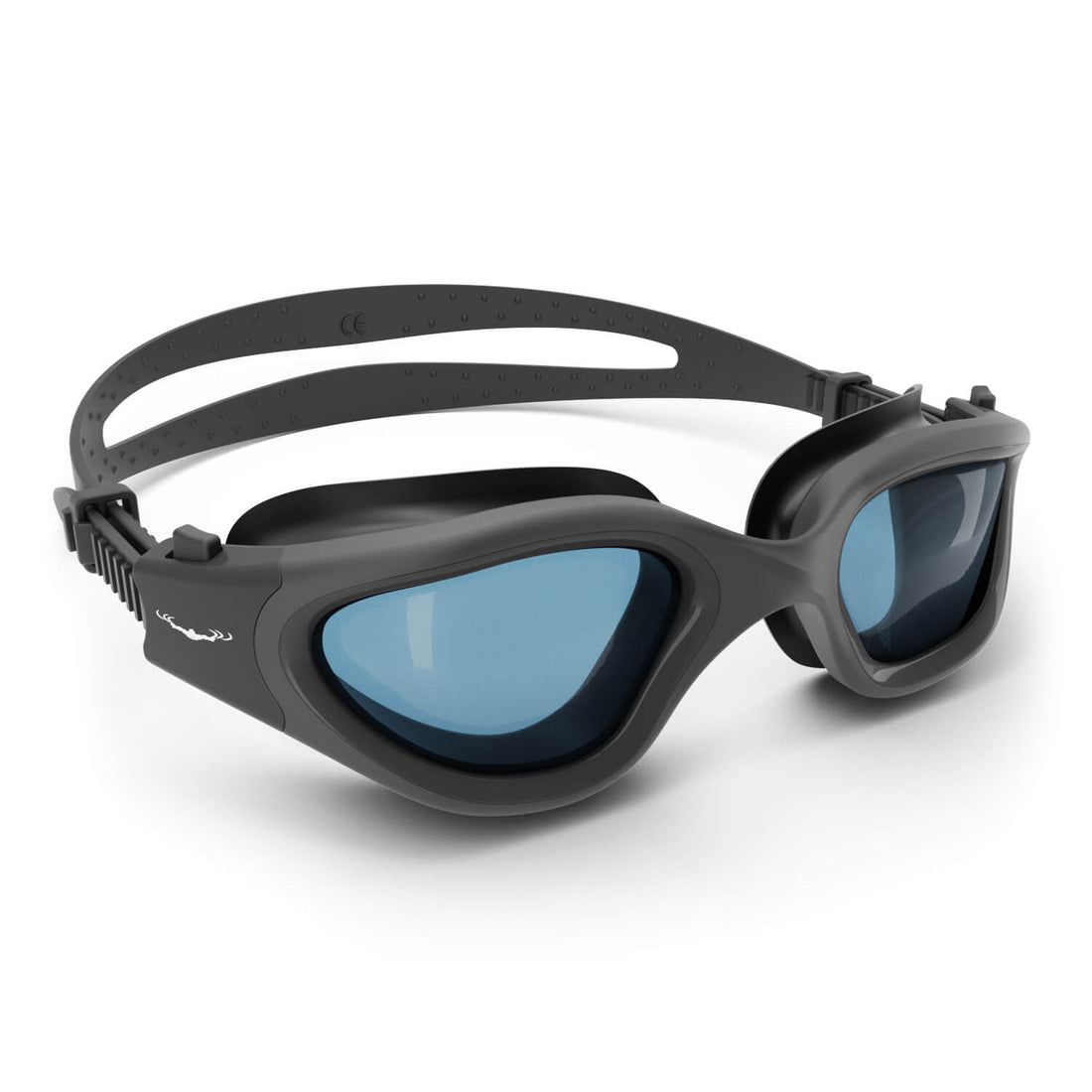
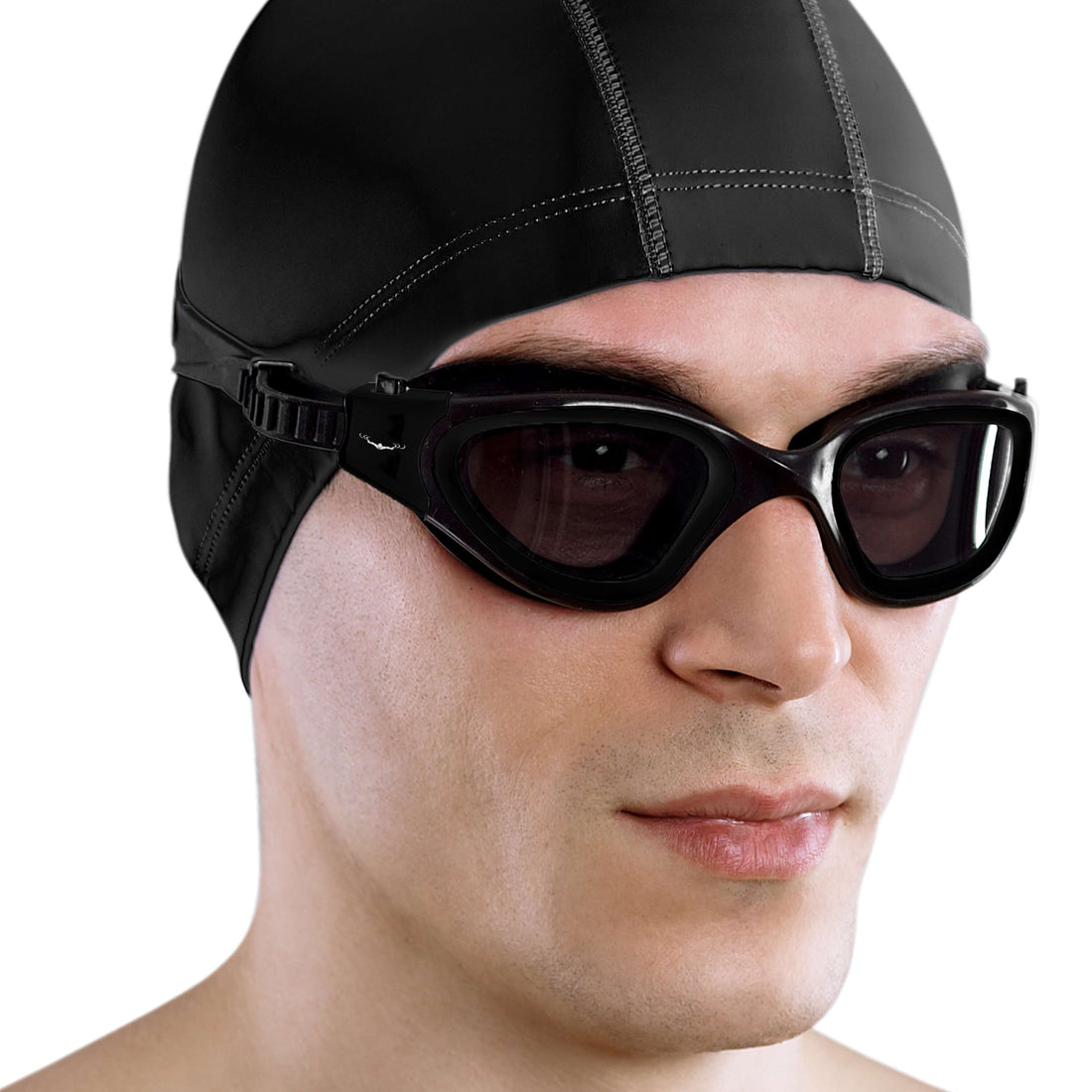
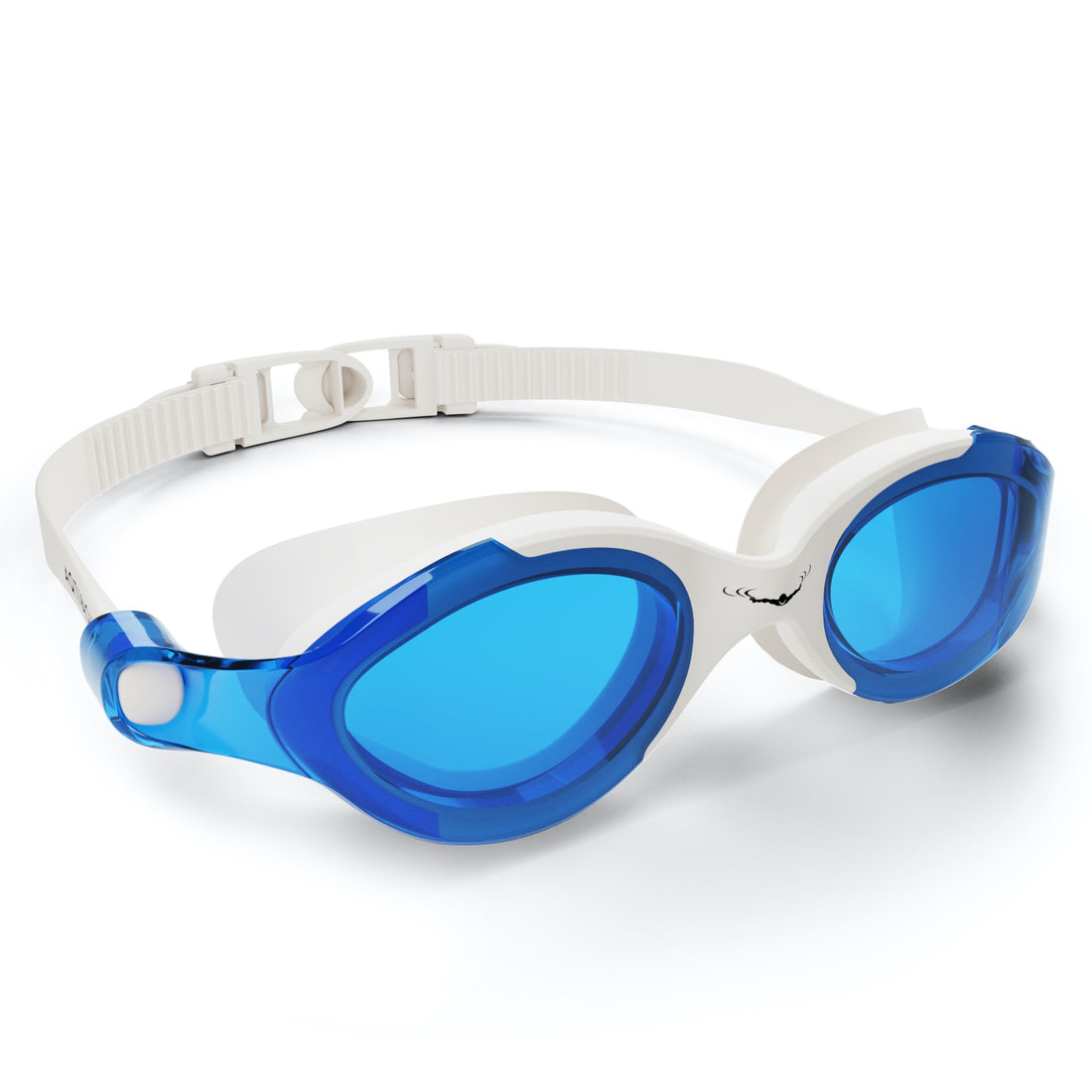
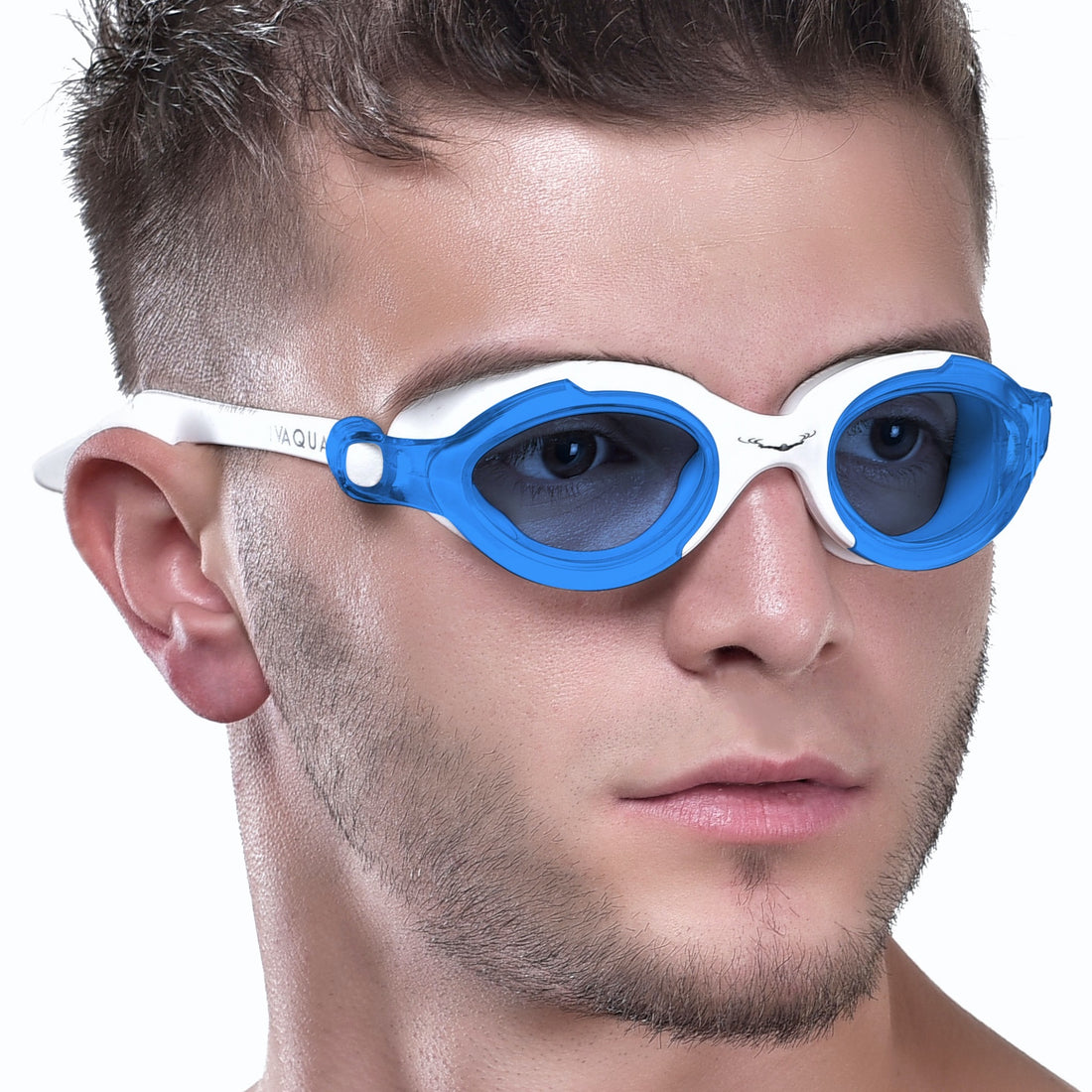
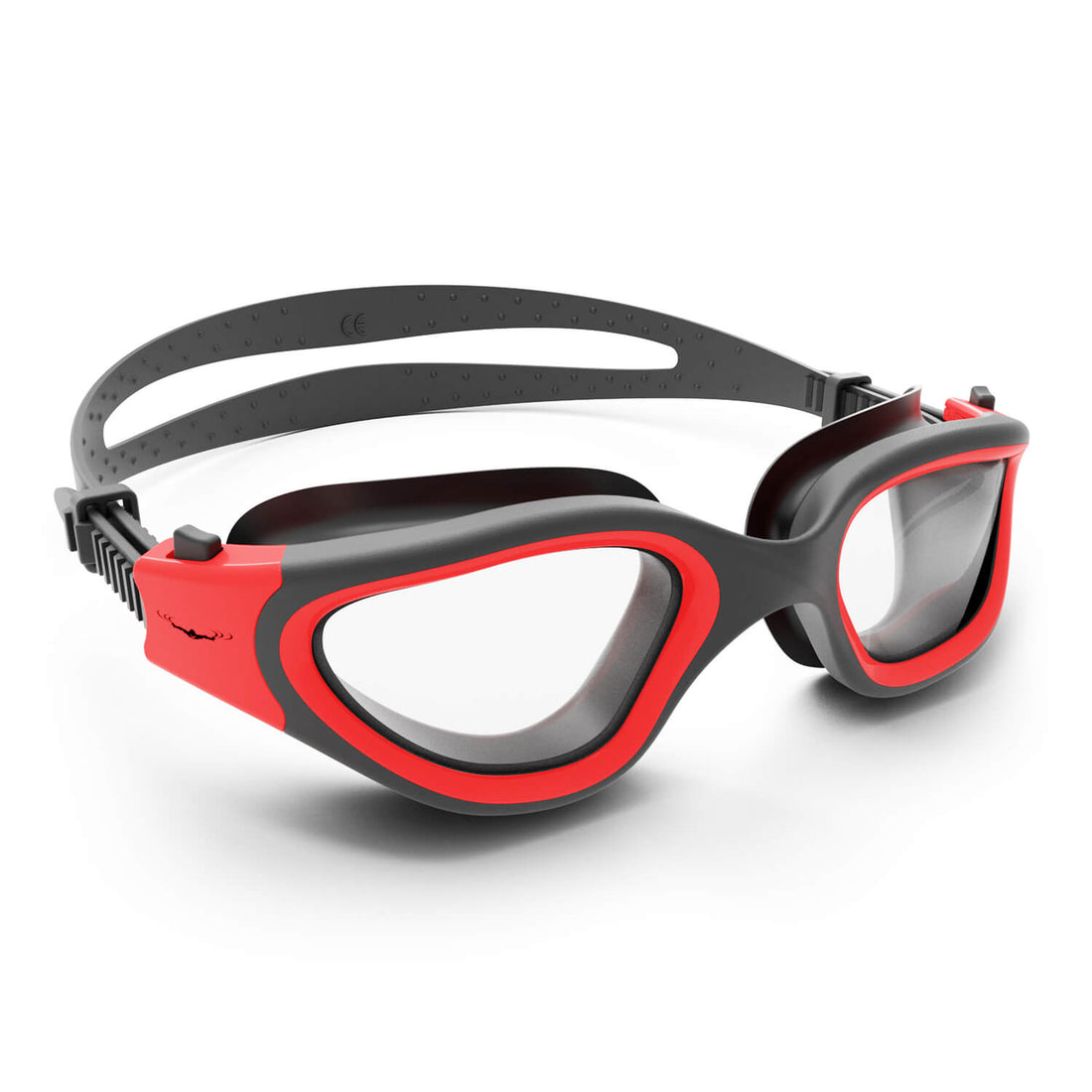
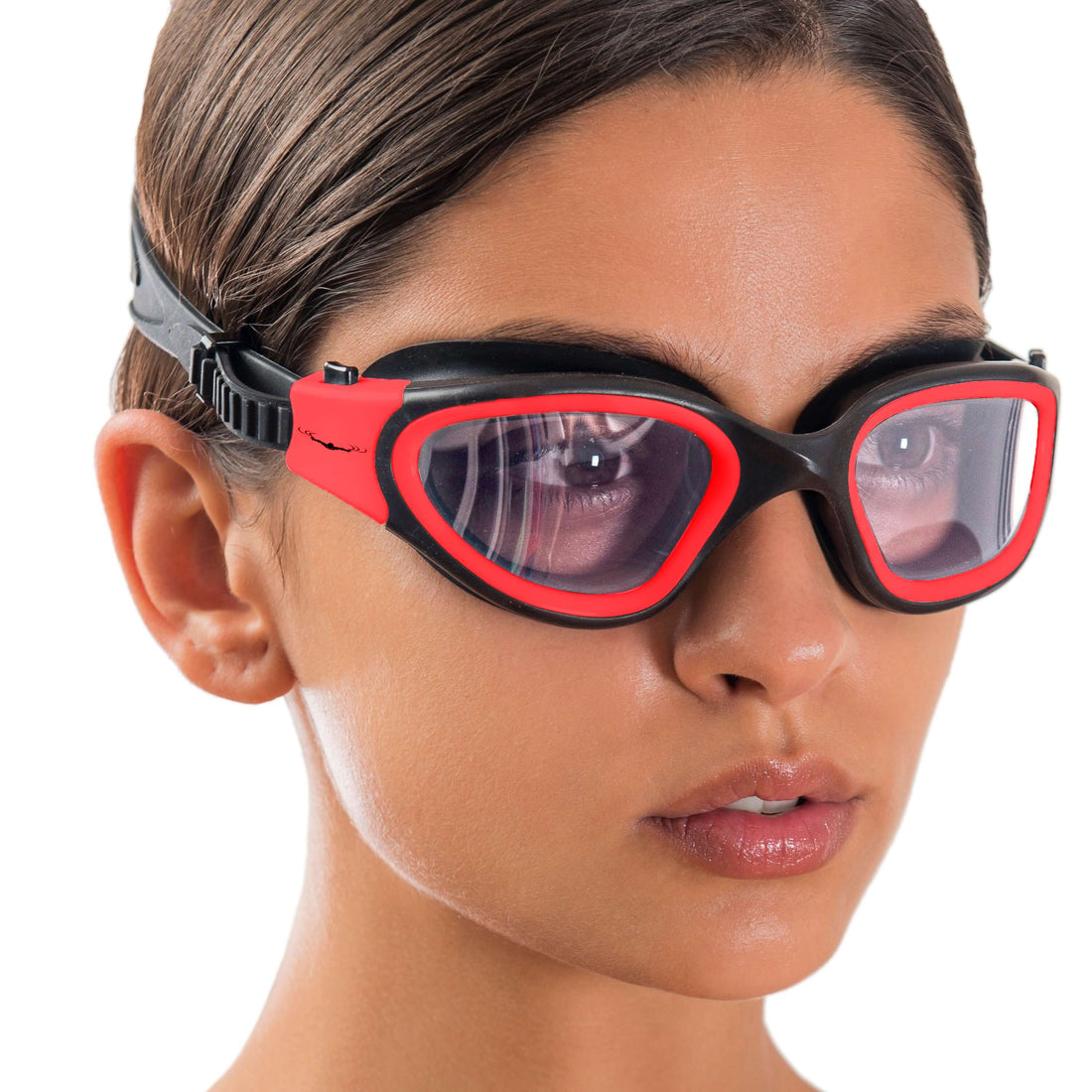
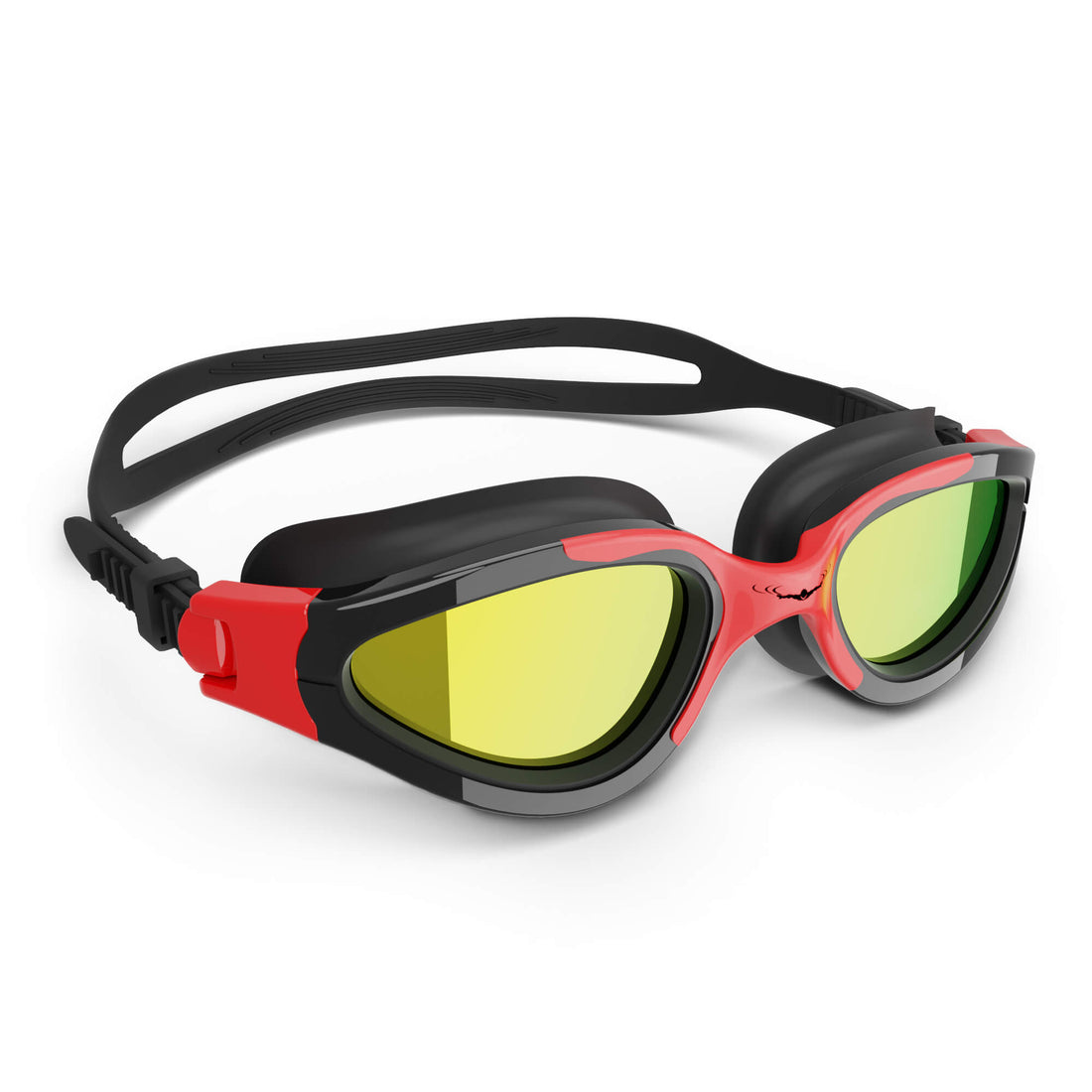
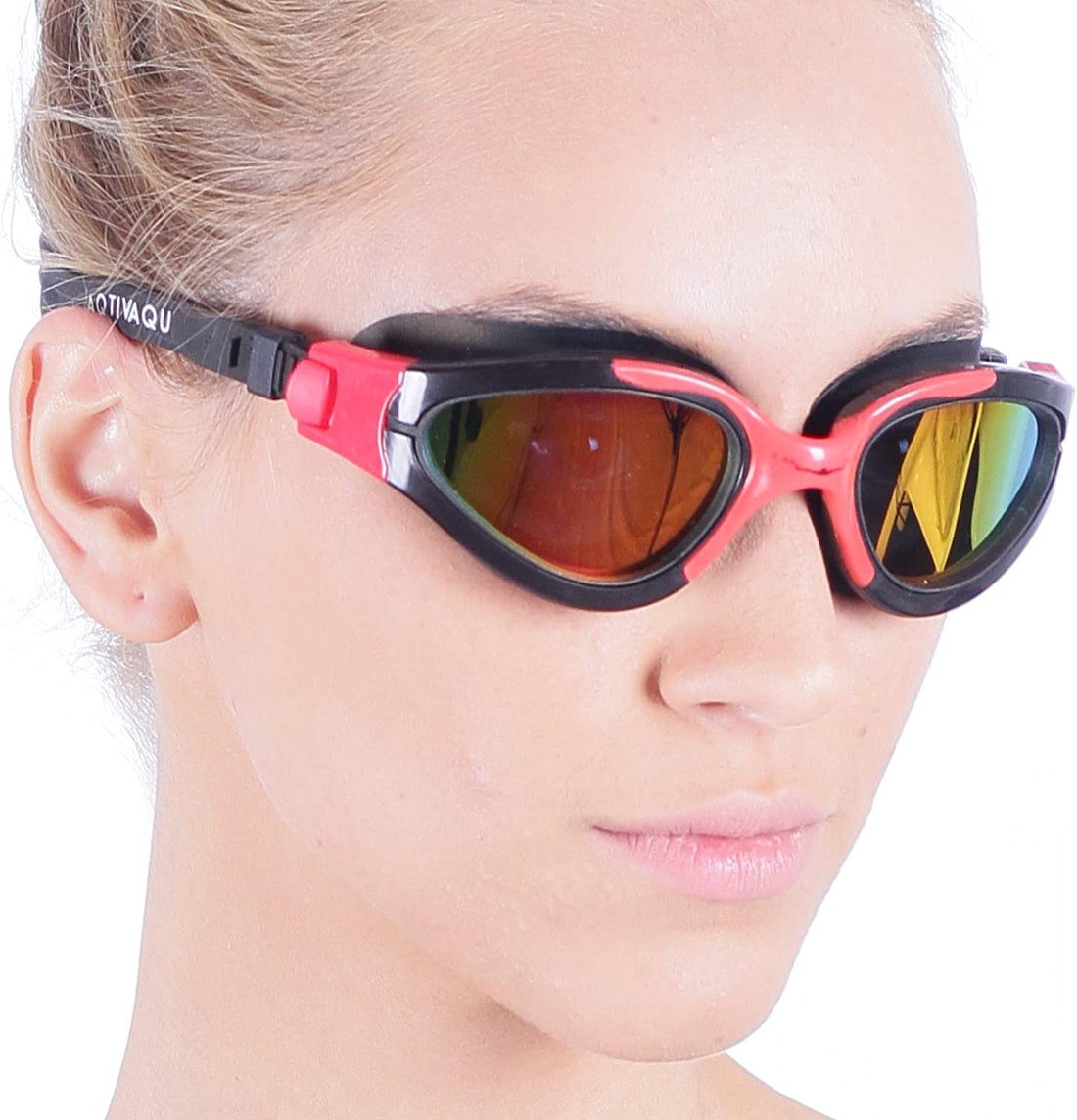
The DX Wide View Swim Goggles offer a clear and expansive 180° view, enhancing visibility in indoor and low-light conditions. Designed for comfort, the goggles feature soft, flexible seals that adapt to your face, ensuring a secure fit without discomfort. The included SHOCK protective case allows for easy storage and quick drying, making these goggles a practical choice for regular swimmers.
View Product