

Overview
Maintaining your backyard swimming pool is essential for safety and enjoyment. Key weekly tasks include skimming the surface, brushing walls, vacuuming, balancing chemicals, and cleaning filters. Monthly, inspect equipment, apply shock treatment, and check for algae. Seasonal maintenance involves preparing for spring, summer, fall, and winter. Address common issues like cloudy water and algae promptly, and consider using accessories like swim caps for a better experience. Regular upkeep will ensure a clean and inviting pool for family and friends.
Frequently Asked Questions
1. Why is regular maintenance important for my swimming pool?
2. What weekly tasks should I perform for pool maintenance?
3. What are some monthly maintenance tasks for pools?
4. What should I do to prepare my pool for winter?
5. How can I enhance my pool experience with accessories?
Having a backyard swimming pool can be a delightful and refreshing addition to your home, especially during the hot summer months. However, maintaining your pool is crucial to ensure that it remains clean, safe, and inviting for family and friends. In this ultimate guide, we will cover essential tips and practices to keep your backyard swimming pool in top-notch condition.
Why Regular Maintenance is Important
Regular maintenance prevents algae growth, reduces chemical imbalances, and extends the life of your pool equipment. A well-maintained pool provides a safe and enjoyable environment for swimmers. Whether you’re planning a pool party or just a casual afternoon dip, keeping your pool clean ensures that you can make the most of your aquatic retreat.
Weekly Pool Maintenance Tasks
Establishing a routine for weekly maintenance can make pool care manageable and effective. Here’s a breakdown of the key tasks you should complete each week:
1. Skimming the Surface
Use a skimmer net to remove leaves, bugs, and debris from the surface of the water. This step should be done at least once a week to prevent dirt from sinking to the bottom and to help keep your pool looking pristine.
2. Brushing the Walls and Tiles
Brushing the pool walls and tiles keeps algae and dirt from accumulating, which can lead to stains. Make sure to use a brush appropriate for your pool's surface, whether it's vinyl, plaster, or fiberglass.
3. Vacuuming the Pool
Vacuum the pool weekly to eliminate dirt that has settled on the bottom. You can use an automatic pool cleaner or a manual vacuum. Maintaining a clean floor not only enhances the visual appeal but also provides a safer swimming experience.
4. Checking and Balancing Chemicals
It’s critical to regularly test the pool water for pH levels, chlorine, and alkalinity. The ideal pH level should be between 7.2 and 7.8. Maintaining balanced chemicals will ensure a safe swimming environment.
5. Cleaning the Filter
Depending on your pool type, clean or replace your filters as needed. Clean filters improve circulation, which is essential for maintaining water quality. Depending on usage, you may need to check your filter more frequently than once a week.
Monthly Pool Tasks
In addition to weekly maintenance, there are monthly tasks that ensure your pool remains in top condition:
1. Inspecting Pool Equipment
Take time each month to inspect the pump, heater, and other equipment for any signs of wear or malfunction. Early detection of issues can save you from costly repairs down the line.
2. Shock Treatment
Applying a shock treatment to your pool once a month can help eliminate bacteria and contaminants. This process involves adding a high dose of chlorine to the water to cleanse it thoroughly.
3. Checking for Algae Growth
Inspect your pool for any signs of algae. If you notice any slimy patches, take immediate action to treat them. Investing in a neoprene swimming headband might be a good idea for those who wear swim caps while cleaning, as it can keep hair from falling into the pool.
Seasonal Pool Maintenance
As seasons change, so do the demands of pool maintenance. Here’s what to keep in mind:
Spring Pool Opening
When reopening your pool in the spring, follow these steps:
- Remove the pool cover and clean it.
- Refill your pool to the required level if drained.
- Test the water and adjust pH, alkalinity, and chlorine levels.
- Inspect and clean the filter, pump, and other equipment.
Summer Maintenance
During the peak of swimming season, focus on a rigorous maintenance schedule and be vigilant against leaf debris and algae growth. Regularly check chemical levels to ensure safety.
Fall Pool Preparation
As summer fades, prepare your pool for the chill of fall:
- Remove debris and leaves more frequently.
- Consider using a pool cover to minimize debris accumulation.
- Balance the water chemistry before closing the pool.
Winter Pool Care
For those in colder climates, it’s essential to winterize your pool:
- Lower the water level to below the return lines.
- Apply winterizing chemicals to prevent algae growth.
- Cover the pool with a solid cover to keep dirt and ice out.
Common Pool Problems and Solutions
Even with regular maintenance, pool problems can arise. Here are some common issues and how to resolve them:
Cloudy Water
If your pool water appears cloudy, it could be due to several factors, including high pH levels or insufficient chlorine. Test the water and balance the chemicals as needed. Sometimes, even an additional dose of shock can clear cloudy water effectively.
Algae Bloom
Algae can spread rapidly if not treated promptly. Scrubbing the area, balancing chemicals, and using a chlorine shock treatment can help eliminate algae and prevent its return.
Stains on Pool Surfaces
Stains may occur if metal or organic materials settle into the pool. Using a stain remover and balancing the pool chemicals can help resolve this issue. Regular brushing also helps prevent stains from becoming permanent.
Accessorizing for a Trouble-Free Pool Experience
While proper maintenance will keep your pool in excellent condition, additional accessories can enhance the pool experience for you and your guests:
Using Swim Caps for Comfort
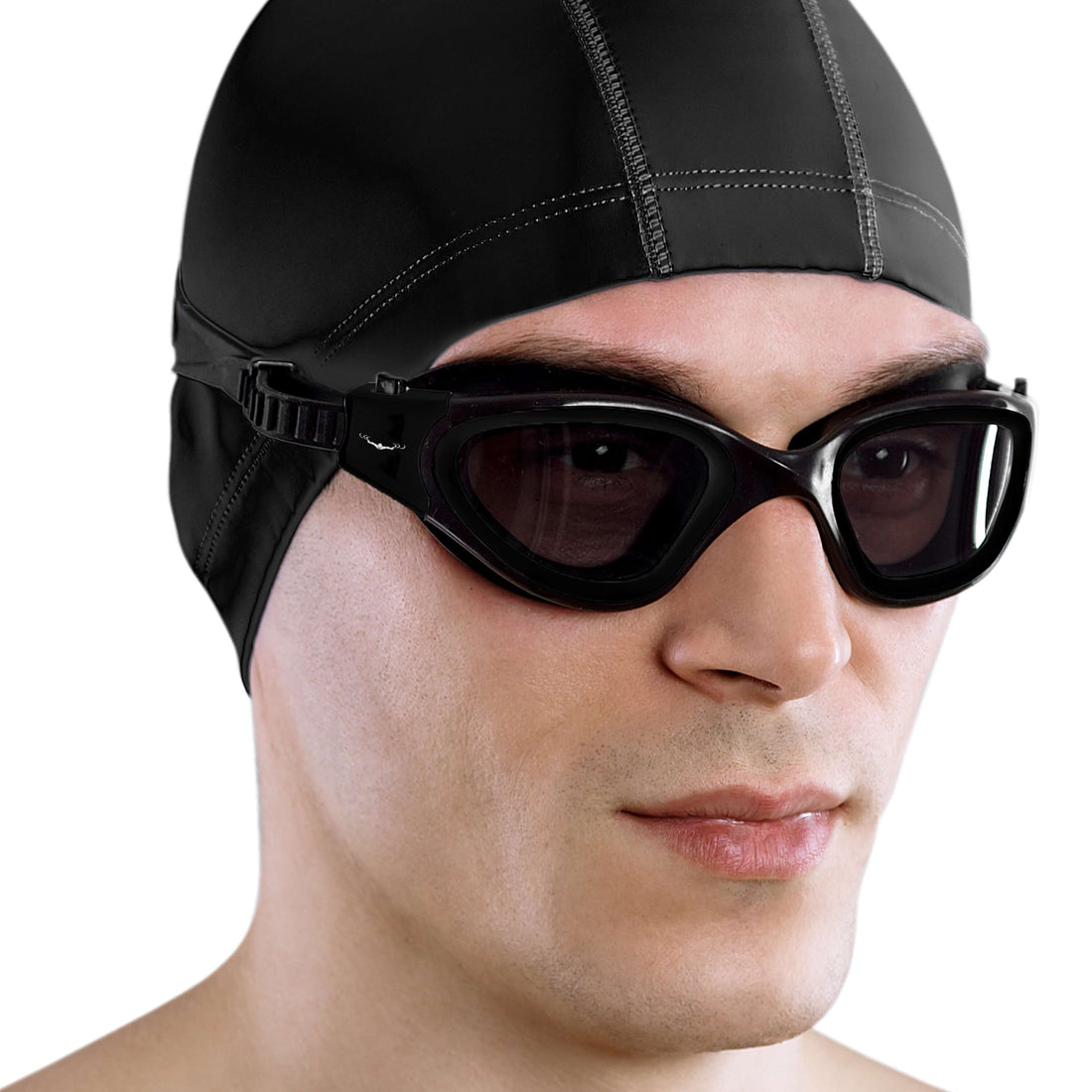
Swim caps don’t only keep your hair dry, but they also help to keep clogs and debris from forming in your filtration system, especially if you frequently have guests over. They can also help keep swimmers comfortable against varying water temperatures.
Keeping Essentials Handy
Your pool area should be stocked with essentials like towels, sunscreen, and toys. Having a designated space for these items nearby will keep your area organized and inviting.
Final Thoughts
Keeping your backyard swimming pool in pristine condition requires commitment and a proactive approach. With regular maintenance, seasonal care, and smart accessorizing, you can create a paradise right in your backyard that everyone will enjoy. So take these tips to heart and dive into a refreshing season of outdoor fun without the worry of pool upkeep.
Linked Product

Neoprene Swimming Headband - Swim Ear Band Protection Cover - Hair Guard - Keep Ear Plugs IN
The Neoprene Swimming Headband provides effective ear protection by securely holding earplugs in place, making it ideal for individuals with ear tubes or perforated eardrums. Its quick-dry material keeps ears warm and helps to keep hair out of the face while swimming. Available in multiple sizes, this headband is suitable for users of all ages and enhances visibility in the water.
View Product