

Overview
Swimming offers significant mental health benefits, including reduced anxiety and stress, improved mood through endorphin release, enhanced focus and concentration, and increased confidence. It serves as a form of moving meditation, promotes mindfulness, and fosters a sense of community. Regular swimming can create lifelong healthy habits suitable for all ages. Embrace swimming not just for physical fitness but as a powerful tool for mental well-being.
Table of Contents
- The Calming Power of Water
- Reducing Anxiety and Stress
- Boosting Mood through Endorphins
- Creating a Routine
- Swimming as a Form of Meditation
- Enhancing Concentration and Focus
- Building Confidence and Self-Esteem
- Embracing a Sense of Community
- The Therapeutic Benefits of Swimming
- Swimming and Mental Health Disorders
- Mindfulness: Being Present in the Moment
- Fostering a Body-Positive Attitude
- The Holistic Approach: Swimming for All Ages
- Creating Lifelong Habits
- Tips for Maximizing the Psychological Benefits of Swimming
- Final Thoughts: Dive into a Better You
Key Takeaways
- The calming effect of water: Being in or around water promotes tranquility and helps individuals escape daily stressors.
- Natural anxiety relief: Swimming lowers cortisol levels and regulates breathing, contributing to reduced anxiety and stress.
- Endorphin release: Swimming triggers the release of endorphins, enhancing mood and leaving swimmers feeling uplifted.
- Mindfulness practice: Swimming encourages being present, fostering self-acceptance and appreciation for one’s body.
- Community engagement: Joining swim clubs or classes builds social connections and combats feelings of loneliness.
- Therapeutic benefits: The buoyancy of water makes swimming an ideal exercise for those facing physical or emotional challenges.
- Lifelong healthy habits: Establishing a family tradition of swimming promotes wellness and strengthens relationships across generations.
When we think about swimming, images of summer fun and relaxation typically come to mind. However, the act of swimming can extend beyond the physical benefits and greatly influence mental health as well. Whether you're an aspiring swimmer or a seasoned aquatic athlete, understanding the psychological benefits of this activity can enhance your overall experience. Let's dive deep into how swimming can boost your mental well-being.
The Calming Power of Water
Water has a unique ability to calm and soothe the mind. Research suggests that being in or around water can induce a sense of tranquility. The gentle sounds of the waves, the feeling of buoyancy, and the coolness of water can create a peaceful environment that allows individuals to escape the hustle and bustle of daily life.
Reducing Anxiety and Stress
Swimming is often regarded as a natural remedy for anxiety and stress. When we immerse ourselves in water, the pressure of daily life seems to dissolve. The rhythmic nature of swimming helps regulate breathing, which in turn stimulates relaxation. Regular swimming sessions can lower cortisol levels—the hormone responsible for stress—allowing you to feel more at ease.
Boosting Mood through Endorphins
Swimming has been linked to the release of endorphins, the body's natural mood lifters. As you glide through the water, your body undergoes various physical responses that release these endorphins. This explains why many swimmers leave the pool feeling uplifted, energized, and more positive about life.
Creating a Routine
Establishing a regular swimming routine can offer a sense of normalcy, especially in chaotic times. Just as you would schedule meetings or other commitments, reserving time for swimming encourages mindfulness. You become more attuned to your body and mind while cultivating healthy habits that stick. Incorporating swim goggles and swimming caps into your routine can also enhance the experience, emphasizing the importance of preparation and self-care.
Swimming as a Form of Meditation
Many find that swimming serves as a form of moving meditation. The combination of repetitive strokes, controlled breathing, and focus on technique can help clear your mind and create a meditative state. This aspect of swimming not only enhances your physical capabilities but also nurtures your psychological well-being.
Enhancing Concentration and Focus
Swimming requires a certain level of concentration, especially with techniques like breath control and body alignment. This focus can carry over into other areas of your life, helping improve productivity and clarity. Committing to the task of swimming fosters discipline and allows you to develop greater concentration—a true benefit that applies beyond the pool.
Building Confidence and Self-Esteem
Learning to swim or improving your swimming skills can significantly boost your self-esteem. Progressing from beginner to advanced techniques fosters a sense of accomplishment. Whether it's mastering a new stroke or successfully completing laps, these achievements contribute to a more confident you. Swimming opens up new opportunities, whether competing, joining a swimming group, or socializing with fellow enthusiasts.
Embracing a Sense of Community
Swimming can be a social activity, whether you’re joining a local swim club or participating in group swim classes. Engaging with others creates a sense of belonging and community. These connections can be incredibly fulfilling for those who may struggle with loneliness or social anxiety. Sharing experiences, tips, and achievements with fellow swimmers strengthens bonds and enhances the overall enjoyment of the sport.
The Therapeutic Benefits of Swimming
For many, swimming is more than just a recreational activity; it’s a form of therapy. The buoyancy of water reduces strain on the body, making it an ideal form of exercise for individuals dealing with physical or emotional challenges. The therapeutic effects can bring about significant improvements in mood and emotional health.
Swimming and Mental Health Disorders
Numerous studies have highlighted swimming's positive effects on various mental health disorders, such as depression and anxiety. The movement and immersion in water promote relaxation and help combat feelings of sadness and hopelessness. The social aspect of swimming, as mentioned earlier, can further enhance this, offering emotional support and camaraderie.
Mindfulness: Being Present in the Moment
Mindfulness, or the act of being actively present and engaged in the moment, is a skill that swimming fosters. When you're in the water, you become acutely aware of your body's movements, your breathing patterns, and your surroundings. This level of awareness promotes self-acceptance and appreciation for your body, enhancing your overall mental health.
Fostering a Body-Positive Attitude
Being in a swimsuit and in a communal environment can sometimes trigger body insecurity or negative thoughts. However, swimming often encourages individuals to embrace their bodies in a healthy manner. As you focus on the pleasure of swimming and the joy it brings, you're likely to develop a more positive body image and foster self-love.
The Holistic Approach: Swimming for All Ages
Swimming is a low-impact exercise suitable for all ages. From children to seniors, everyone can benefit from the psychological perks that swimming offers. Children who swim develop a positive relationship with physical fitness early on, while older adults can find joy in water activities that promote health without the strain of traditional exercise. Family swim days or community gatherings can significantly increase happiness across generations.
Creating Lifelong Habits
Encouraging a family tradition of swimming can cultivate lifelong habits grounded in health and happiness. Joining together with family members, friends, or classmates not only strengthens relationships but also reinforces the importance of physical wellness. Ensuring you have the right swim gear, including swim goggles and swimming caps, increases motivation and excitement about the activity, making it a fun bonding experience.
Tips for Maximizing the Psychological Benefits of Swimming
To fully reap the mental health benefits of swimming, consider the following tips:
- Set regular swimming times: Build a consistent schedule to keep your mind and body in sync.
- Focus on your breathing: Use rhythmic breathing techniques to enhance relaxation.
- Practice mindfulness: Tune into your surroundings, movements, and emotions while swimming.
- Join a community: Engage with swim clubs or classes to meet like-minded individuals.
- Always be prepared: Having your swim goggles and swimming caps handy can ease your transition into the water.
Final Thoughts: Dive into a Better You
Swimming is more than just a fun activity; it’s a powerful tool for improving mental health. By embracing the psychological benefits of swimming, you can enhance your mood, reduce anxiety, and create a sense of community. Whether you're swimming for leisure or competition, remember that each stroke you take brings you closer to a healthier mind and body. Dive into the refreshing world of swimming and unlock the myriad mental health benefits it has to offer. Your journey towards a better you starts at the water’s edge!
Frequently Asked Questions
1. How does swimming benefit mental health?
2. What are the calming effects of water?
3. Can swimming help with anxiety and stress?
4. How does swimming foster mindfulness?
5. Is swimming suitable for all ages?
Glossary
| Term | Meaning |
|---|---|
| Endorphins | Natural chemicals in the body that enhance mood and reduce pain. |
| Anxiety | A feeling of worry or unease, often related to stress. |
| Mindfulness | The practice of being present and fully engaged in the moment. |
| Buoyancy | The ability of water to support the body, reducing strain during exercise. |
| Community | A group of individuals with shared interests, fostering social connections. |
| Routine | A regular schedule that promotes consistency and healthy habits. |
| Therapeutic | Relating to healing or improving health, often through activities. |
| Self-Esteem | Confidence in one’s own worth or abilities; self-respect. |
| Concentration | The ability to focus attention on a specific task or activity. |
| Meditation | A practice of focusing the mind to achieve mental clarity and calmness. |
Linked Product

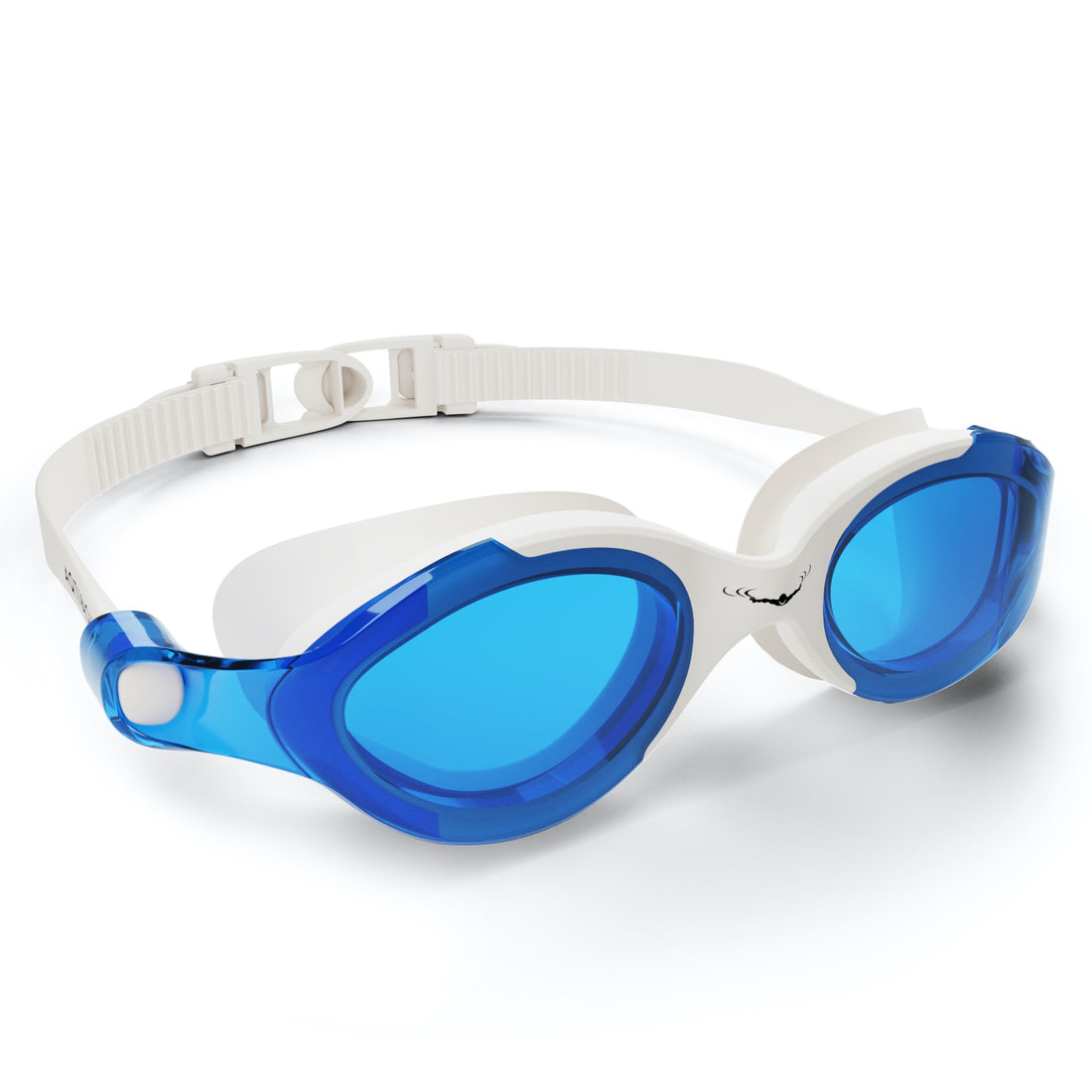
DX Wide View Swim Goggles + SHOCK Protective Case
The DX Wide View Swim Goggles feature clear, untinted 180° polycarbonate lenses that provide true-color visibility, making them ideal for indoor pools and low-light settings. With advanced anti-fog technology and UV400 protection, these goggles ensure sharp vision both above and below water. Their soft, flexible double-seals offer a comfortable fit, while the included SHOCK protective case allows for quick-dry storage.
View Product