

Overview
Mastering swim stroke mechanics is key for improving performance and efficiency. Focus on body position, pull and kick mechanics, and proper breathing to enhance your technique. Use quality gear like swim caps and leak-free goggles to aid your practice. Avoid common mistakes, incorporate effective drills, and set goals to integrate your skills into competition for better results.
Table of Contents
- The Importance of Perfecting Swim Stroke Mechanics
- Fundamental Components of Swim Stroke Mechanics
- Body Position
- Pull Phase Mechanics
- Kick Mechanics
- The Role of Breathing in Swim Stroke Mechanics
- How Gear Can Enhance Your Swim Experience
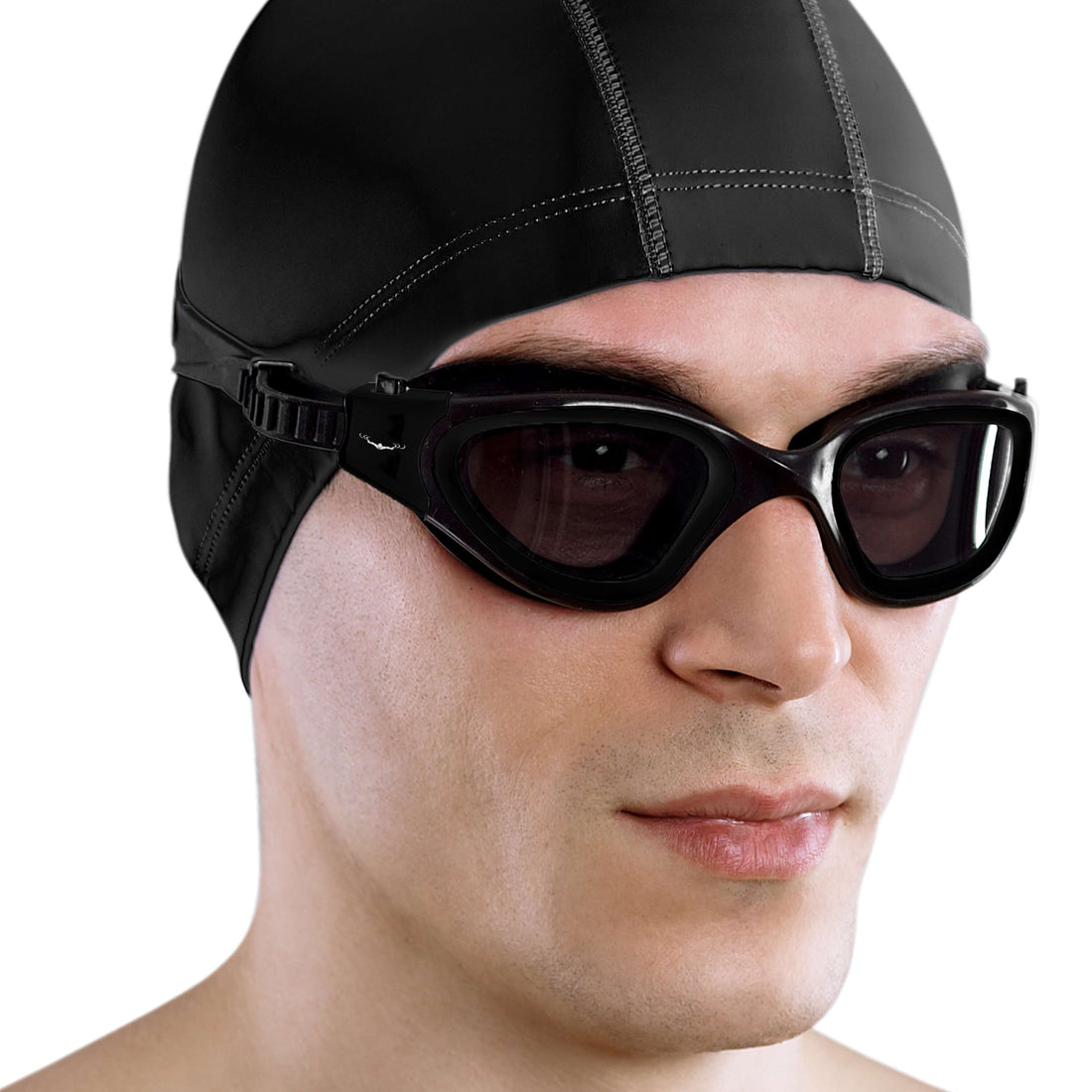
- Swim Caps
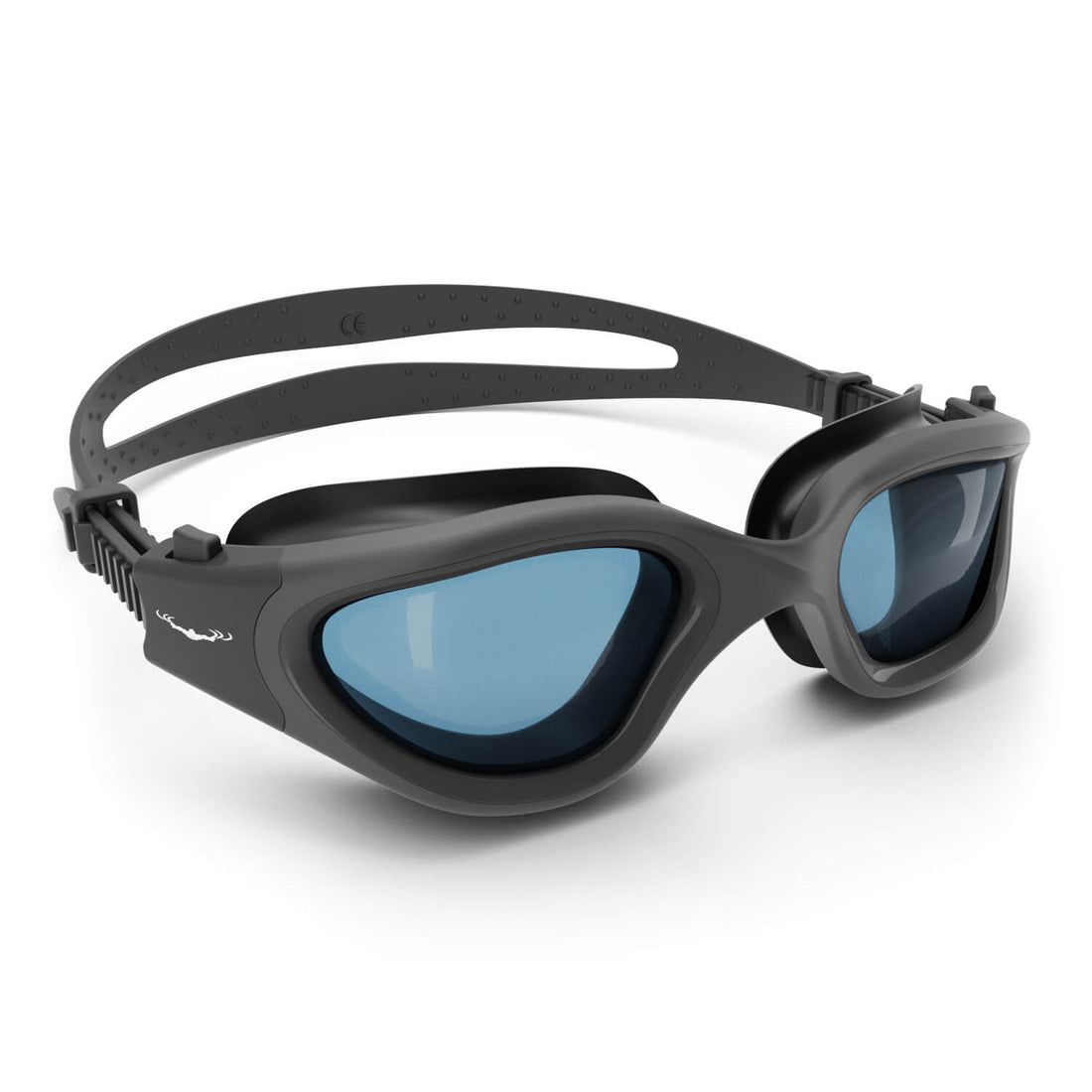
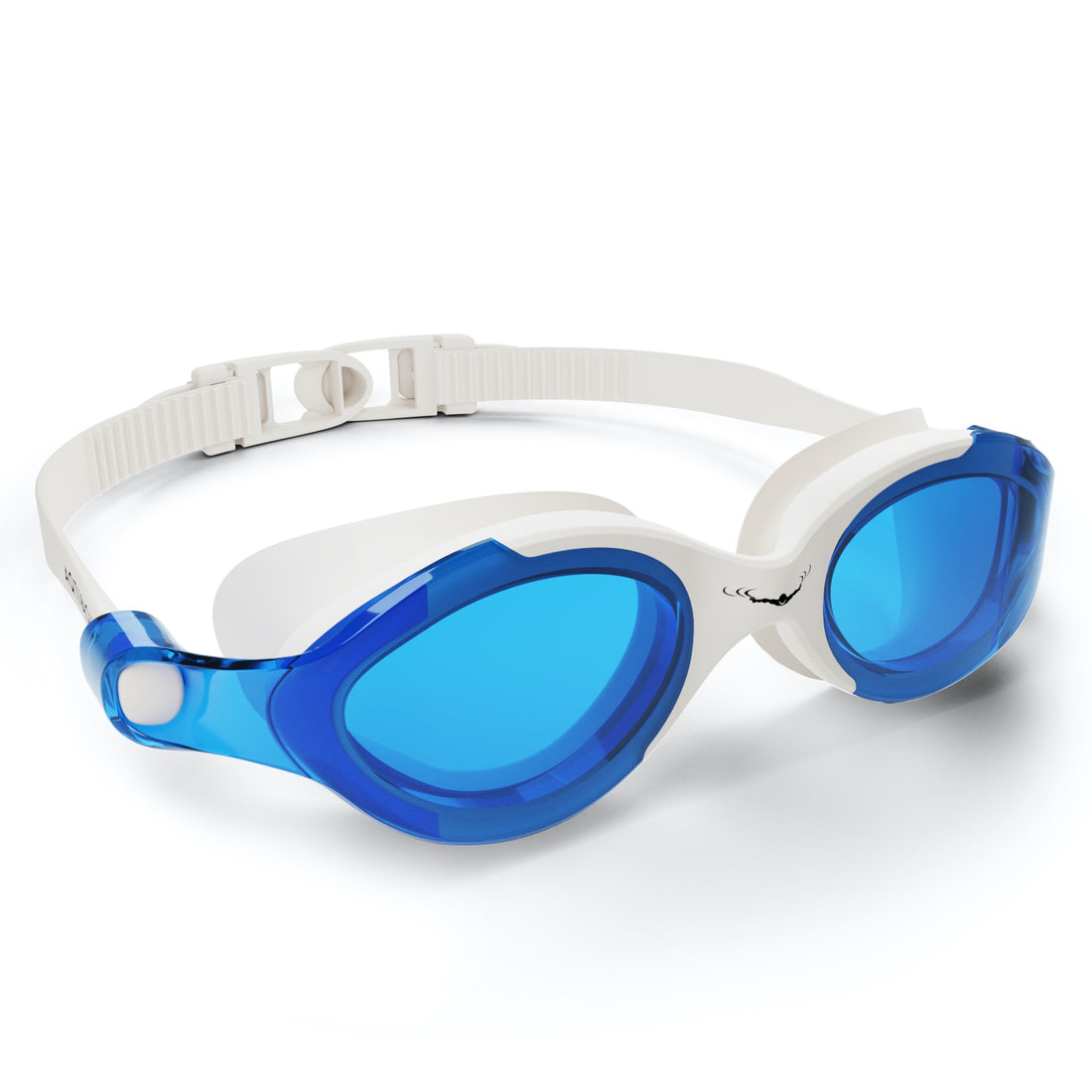
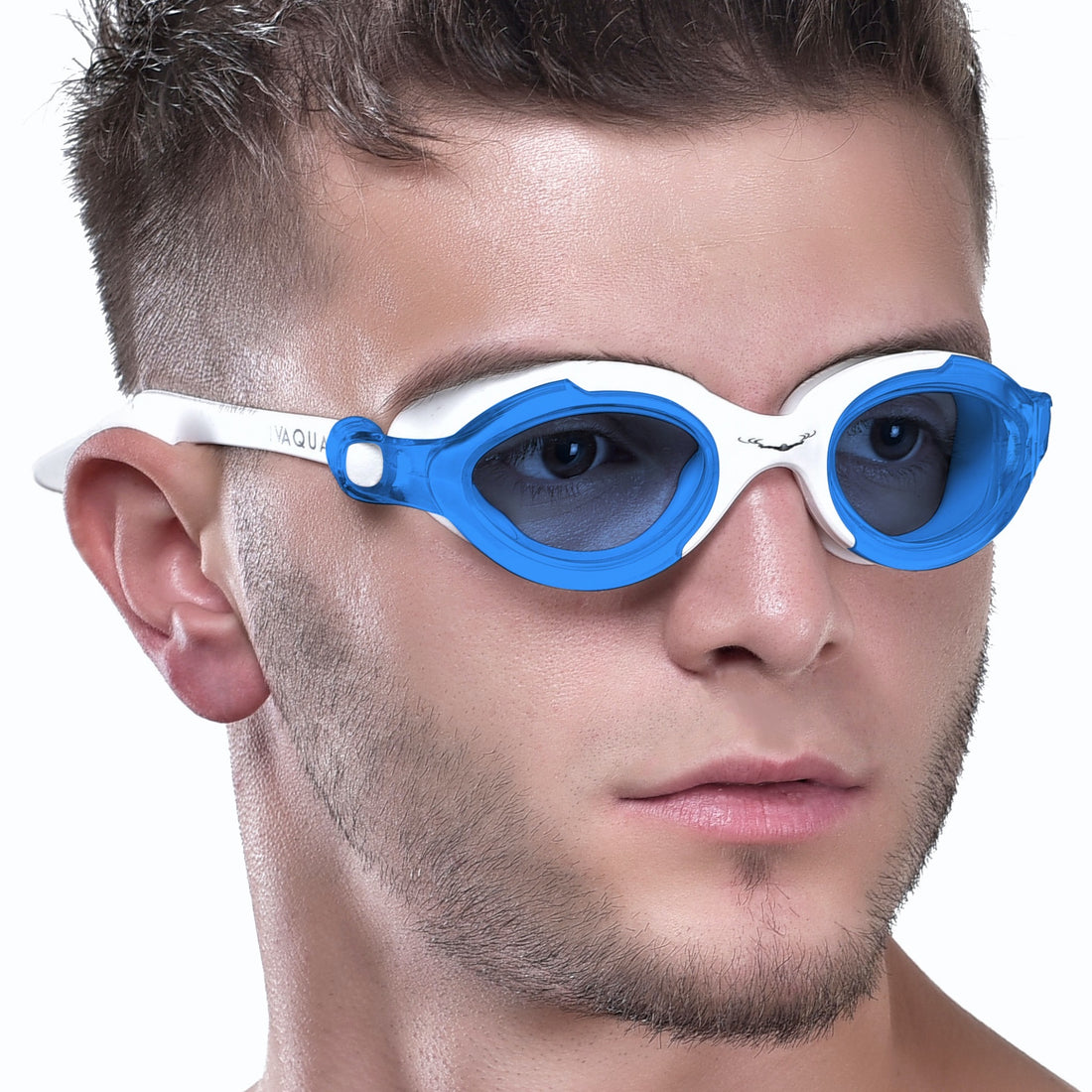
- Leak-Free Swim Goggles
- Common Mistakes to Avoid
- Practical Drills to Enhance Stroke Mechanics
- Single Arm Drill
- Catch-Up Drill
- Vertical Kicking Drill
- Integrating Your Learning into Competition
- A Splash of Motivation
Key Takeaways
- Mastering Stroke Mechanics: Understanding the fundamentals of stroke mechanics is essential for improving swimming performance and efficiency.
- Body Position: Maintaining a horizontal body position minimizes drag and enhances swim efficiency.
- Optimizing the Pull Phase: Focus on a high elbow and an 'S' shape hand movement to maximize propulsion during the pull phase.
- Effective Kicking: Keep legs close together and maintain a steady rhythm to enhance speed and balance in the water.
- Breathing Techniques: Practice bilateral breathing and exhaling underwater to improve rhythm and body position.
- Importance of Gear: Utilizing swim caps and leak-free goggles can reduce drag, enhance visibility, and improve overall performance.
- Avoiding Common Mistakes: Engage your core, maintain a steady kick rhythm, and practice proper breathing timing to avoid performance hindrances.
Understanding swim stroke mechanics is crucial for any swimmer looking to enhance their performance and efficiency in the water. Whether you’re an amateur looking to improve your technique or a competitive swimmer aiming for the next level, a grasp of the foundational principles of stroke mechanics can make a significant difference. In this guide, we will explore the various components of stroke mechanics, tips to refine your technique, and how proper gear, such as leak-free swim goggles and swim caps, can aid your practice.
The Importance of Perfecting Swim Stroke Mechanics
Swim stroke mechanics involve a combination of body position, movement patterns, and breathing techniques aimed at maximizing propulsion while minimizing drag. Here's why mastering these elements is essential:
- Enhanced Efficiency: Proper mechanics help reduce energy expenditure per stroke, allowing you to swim longer distances without fatigue.
- Improved Speed: Streamlined movements translate into faster swim times, whether you’re racing or training for fitness.
- Reduced Risk of Injury: Correct technique can prevent common swimming-related injuries that can derail your training regimen.
Fundamental Components of Swim Stroke Mechanics
Every swimming stroke comprises specific techniques that vary slightly between stroke types. However, certain fundamentals apply across the board, including:
Body Position
Your body position in the water can significantly affect your swim efficiency. A horizontal position minimizes drag and allows for smoother movement through the water. Here are some tips to maintain proper body alignment:
- Keep your head in a neutral position, looking straight down to avoid lifting the head, which can create drag.
- Engage your core muscles for better stability and balance.
- Position your hips slightly higher than your shoulders to maintain a streamlined profile.
Pull Phase Mechanics
During the pull phase, the motion of your arms plays a crucial role in generating propulsion. Here’s how to optimize this phase:
- Catch Phase: Begin with your hand entering the water at an angle to create an early catch. Ensure that your fingers are pointed downward.
- Pull Phase: Pull with a high elbow and create a ‘S’ shape with your hand throughout the stroke to maximize power.
- Exit Phase: As your hand exits the water, ensure your elbow leads the way to prepare for the next entry efficiently.
Kick Mechanics
The kick is another critical component that can aid your speed and balance in the water. To execute an effective kick:
- Keep your legs close together to reduce drag.
- Engage your quadriceps and hamstrings for a powerful downward motion.
- Maintain a consistent rhythm – your kick should be continuous and not overly aggressive.
The Role of Breathing in Swim Stroke Mechanics
Breathing can be one of the most challenging aspects of swimming, especially in competitive environments. Proper breathing techniques not only provide you with oxygen but also maintain rhythm and body position. Keep the following points in mind:
- Breathe bilaterally to create symmetry in your stroke and reduce the chance of injury.
- Turn your head just enough to inhale without disrupting your body position.
- Practice exhaling underwater to help prepare for your next breath.
How Gear Can Enhance Your Swim Experience
Utilizing the right swimming gear can dramatically improve your stroke mechanics. Here’s how:
Swim Caps
A swim cap is often underrated but can contribute significantly to your performance. Here’s how:
- Reduced Drag: Swim caps help to streamline your body in the water, minimizing drag significantly.
- Heat Retention: In colder waters, swim caps help maintain body temperature, thus allowing for longer training sessions.
- Hair Management: Keeping hair secured ensures that it doesn’t create turbulence, promoting better stroke efficiency.
Leak-Free Swim Goggles
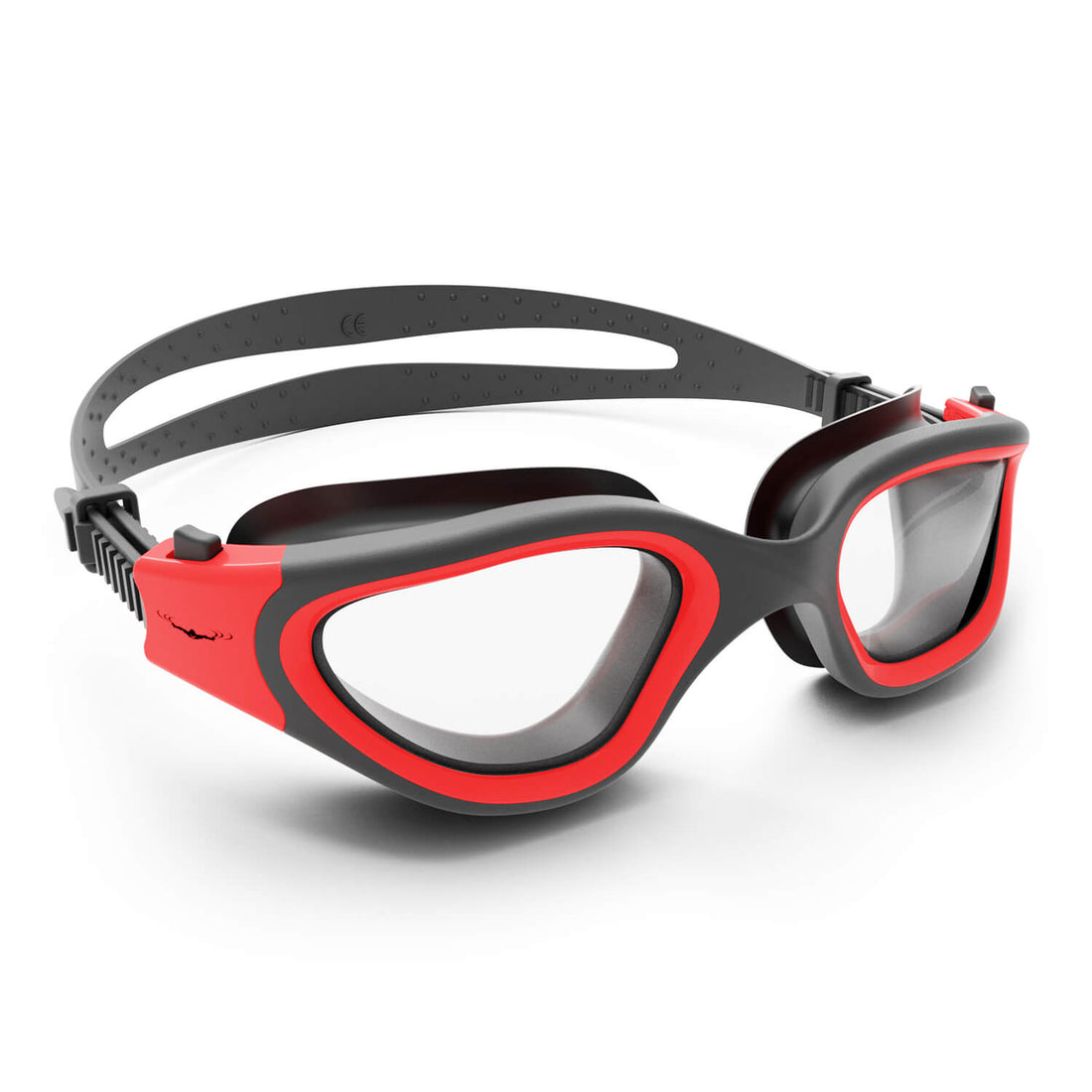
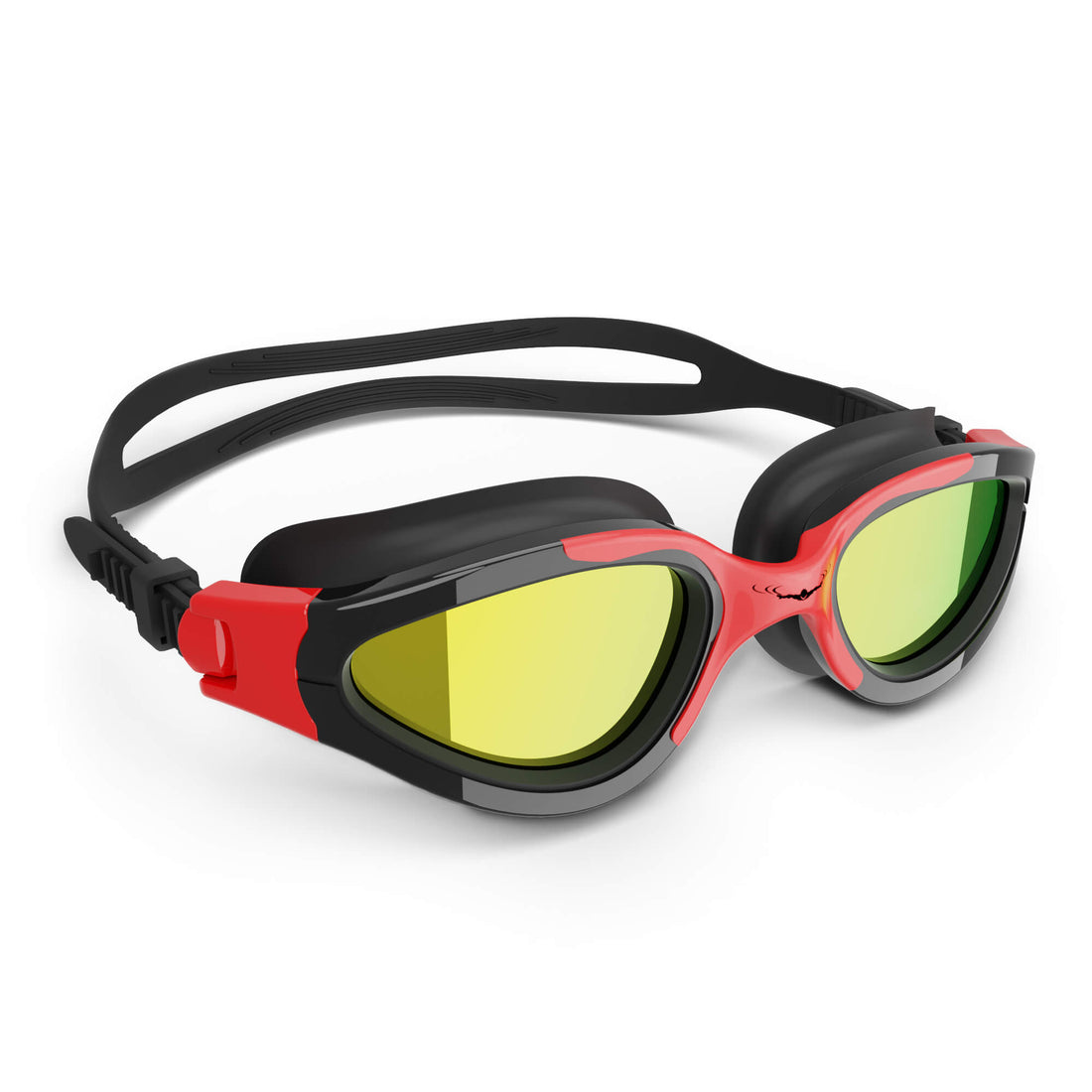
Clear visibility is essential when swimming. Leak-free swim goggles are crucial for performance, especially during competitive training. Their benefits include:
- Comfort Fit: A proper fit ensures that water doesn’t enter the goggles, allowing you to focus on your stroke mechanics.
- Enhanced Visibility: Quality lenses provide clarity, enabling you to maintain appropriate body position and other swimmers around you.
- UV Protection: Many swim goggles come with UV protection, minimizing eye strain when training outdoors.
Common Mistakes to Avoid
Even experienced swimmers can fall into the trap of poor mechanics. Here’s a list of common mistakes that can hinder performance:
- Lack of Core Engagement: Failing to engage your core can lead to inefficient body position; always remember to stabilize your core.
- Overexerting Kicks: Kicking too hard can cause fatigue; focus instead on maintaining a steady rhythm.
- Improper Breathing Timing: Breathing too early or late disrupts your stroke; practice the timing until it feels natural.
Practical Drills to Enhance Stroke Mechanics
Incorporating specific drills can significantly enhance your understanding and execution of stroke mechanics. Here are some highly effective drills:
Single Arm Drill
This drill isolates one arm at a time for practice, allowing you to focus on the stroke mechanics without the complexity of coordinating two arms. Here’s how to execute it:
- Swim with one arm extended in front while the other arm conducts the stroke.
- Switch arms after a set distance to practice both sides.
Catch-Up Drill
The catch-up drill facilitates a better understanding of stroke timing. Follow these steps:
- Extend one arm forward while the other performs a full stroke.
- Wait until the hand that is pulling returns to the initial position before starting the next stroke with the extended arm.
Vertical Kicking Drill
This drill helps improve kick strength and efficiency. To practice:
- In deep water, keep your arms crossed over your chest, using only your legs to remain buoyant.
- Focus on maintaining a consistent rhythm while engaging the core.
Integrating Your Learning into Competition
Once you feel comfortable with the fundamental aspects of stroke mechanics, it’s important to integrate these skills into competitive environments. Here are some strategies:
- Set specific performance goals to track improvements in your technique and speed.
- Participate in timed practice sessions to simulate race conditions.
- Seek feedback from coaches and fellow swimmers to identify areas for additional refinement.
A Splash of Motivation
Mastering swim stroke mechanics is an ongoing journey that combines practice, patience, and perseverance. As you work to enhance your stroke form, remember that the effort you put into refining your mechanics will translate into improved performance and enjoyment in the water. Stay motivated, invest in quality gear such as leak-free swim goggles and swim caps, and continue to challenge yourself. Your best swim is just around the corner!
Frequently Asked Questions
1. Why is understanding swim stroke mechanics important for swimmers?
2. What are the fundamental components of swim stroke mechanics?
3. How can proper breathing techniques affect my swimming?
4. What types of swimming gear can enhance my stroke mechanics?
5. What are some common mistakes swimmers make regarding stroke mechanics?
Glossary
| Term | Meaning |
|---|---|
| Stroke Mechanics | The principles governing body position, movement, and breathing in swimming. |
| Efficiency | Reducing energy use per stroke to swim longer without fatigue. |
| Pull Phase | The part of the stroke where the swimmer pulls water to generate propulsion. |
| Kick Mechanics | The technique used for leg movements to enhance speed and balance. |
| Breathing Techniques | Methods to inhale and exhale that maintain rhythm and body position. |
| Swim Caps | Gear that reduces drag and retains heat during swimming. |
| Leak-Free Goggles | Goggles designed to prevent water entry, ensuring comfort and visibility. |
| Core Engagement | Activating core muscles for better stability and body position. |
| Single Arm Drill | A practice method focusing on one arm to improve stroke mechanics. |
| Catch-Up Drill | A drill that enhances stroke timing by waiting for one arm before starting the next stroke. |
Linked Product

DX Wide View Swim Goggles + SHOCK Protective Case
The DX Wide View Swim Goggles feature clear, untinted 180° polycarbonate lenses that provide true-color visibility, making them ideal for indoor and low-light swimming conditions. Designed for comfort and security, they include soft double-seals and an adjustable split Y-strap for a reliable fit. The goggles come with a SHOCK protective case for safe storage and quick drying, ensuring they remain in excellent condition for your next swim.
View Product