

Overview
Mastering swimming techniques is essential for enhancing performance and preventing injuries. Focusing on body position, breathing, and stroke mechanics can significantly improve efficiency in the water, allowing you to swim faster with less effort. By refining your skills and utilizing the right equipment, you can elevate your swimming experience and enjoy longer, more confident sessions in the pool.
Table of Contents
- The Importance of Swimming Technique
- Key Components of Effective Swimming Technique
- Body Position
- Breathing Technique
- Arm and Hand Movement
- Understanding Common Swimming Strokes
- Freestyle
- Backstroke
- Breaststroke
- Butterfly
- How Equipment Impacts Swimming Technique
- The Role of Swim Goggles
- Paddles and Fins
- Common Mistakes to Avoid
- Turn Your Technique Into Triumph
Key Takeaways
- Efficiency: Mastering swimming techniques reduces drag, allowing for faster swimming with less effort.
- Injury Prevention: Proper technique minimizes injury risk by evenly distributing stress across the body.
- Key Components: Focus on body position, breathing technique, and arm movement to improve performance.
- Stroke Variations: Understand the unique techniques required for freestyle, backstroke, breaststroke, and butterfly.
- Equipment Impact: Utilize swim goggles, paddles, and fins to enhance training and refine swimming techniques.
- Common Mistakes: Avoid overextending strokes, holding your breath, and neglecting core engagement for better efficiency.
- Continuous Improvement: Refining your technique is an ongoing process that enhances both performance and enjoyment in the water.
Swimming is not just about splashing around in the water; it’s a complex physical activity that requires significant technique and skill. Understanding the science behind swimming techniques can elevate your performance and enjoyment while ensuring you remain injury-free. In this article, we’ll dive into essential swimming technique insights, explore effective swimming forms, and investigate the various factors that influence swimming performance techniques.
The Importance of Swimming Technique
Swimming technique encompasses the specific movements and body positions used during various strokes. Mastering these techniques can lead to improved efficiency in the water, allowing swimmers to cover more distance with less energy. Here’s why focusing on your swimming technique is crucial:
- Efficiency: Fine-tuning your technique can reduce drag and improve propulsion, allowing you to swim faster with the same effort.
- Injury Prevention: Proper technique minimizes the risk of injuries by distributing stress evenly across your body.
- Endurance: Good technique conserves energy, enabling you to swim longer distances without fatigue.
- Confidence: Mastering your swimming form can enhance your mental confidence, making you more comfortable in the water.
Key Components of Effective Swimming Technique
To improve your swimming performance, it’s important to focus on several key components of effective swimming forms. These components are the building blocks of every successful swimmer:
Body Position
Your body position in the water is vital. A streamlined body reduces drag and allows for smoother movement through the water. Swimmers should aim to maintain a horizontal posture with their body and face in line with the water surface. Here are a few tips to keep in mind:
- Engage your core to maintain stability.
- Keep your head down and look slightly forward, not straight ahead, to keep your body aligned.
- Feet should be close to the surface to minimize drag.
Breathing Technique
Breathing mechanisms differ depending on the stroke being utilized. Efficient breathing is key to maintaining rhythm and minimizing disruptions in your stroke. Here are some effective swimming techniques to consider:
- In freestyle, breathe in through your mouth when your head turns to the side, and exhale through your nose underwater.
- In breaststroke, time your breath with your arm pull; lift your head to breathe while lowering it as your arms stretch out.
- Practice bilateral breathing in freestyle for balanced muscle development.
Arm and Hand Movement
The movements of your arms and hands play a crucial role in propulsion. Each stroke has its unique patterns of motion:
- Freestyle: Focus on a high elbow position and a full arm extension before pulling.
- Butterfly: Employ a simultaneous arm movement; pull your arms back together before lifting them to glide.
- Backstroke: Ensure your hands enter the water pinky-first, leading to a higher elbow for more power.
- Breaststroke: Create a catch phase where your hands pull in towards your chest before pushing back.
Understanding Common Swimming Strokes
Different strokes require different techniques and skills. Understanding these variations can help you master each style more effectively. Let’s outline the four primary swimming strokes:
Freestyle
Freestyle is the fastest stroke and often favored in competitions. Key points to remember include:
- Utilize a flutter kick, keeping your legs straight but relaxed.
- Work on bilateral breathing to keep your stroke balanced and maintain bilateral symmetry.
- Focus on a smooth arm recovery and swift pull.
Backstroke
This stroke involves swimming on your back, which can feel unnatural at first. Focus on:
- Keeping a consistent flutter kick while maintaining a stable core.
- Rotating your hips with each arm stroke for improved momentum.
- Practicing a closed fist technique during the pull phase to maximize force.
Breaststroke
Breaststroke requires unique timing. Important considerations include:
- Synchronize your arm movements with your kick for efficient propulsion and speed.
- Make sure your stroke path is wide; pull while keeping your elbows high.
- Practice gliding after your pull to maximize distance per stroke.
Butterfly
This is one of the most physically demanding strokes, requiring strength and coordination. Tips include:
- Utilize a dolphin kick—a simultaneous up-and-down motion of both legs.
- Focus on your rhythm; arms should enter the water while the legs kick down.
- Master the undulating motion of the body to maintain speed.
How Equipment Impacts Swimming Technique
The right swimming gear can enhance your training and performance. Certain types of equipment can help you perfect your swimming technique insights. Important items like swim goggles, fins, and paddles play a significant role in refining your skills.
The Role of Swim Goggles
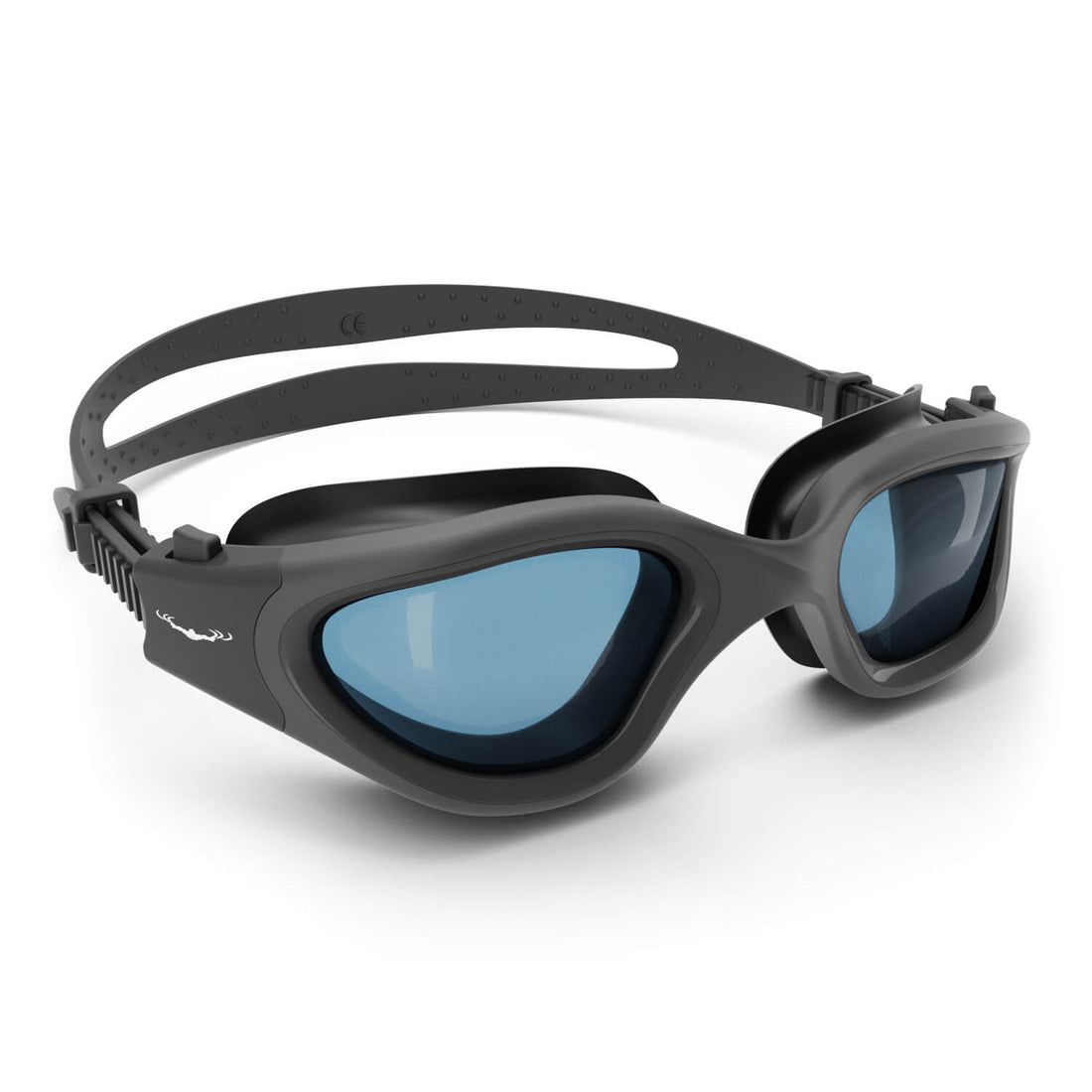
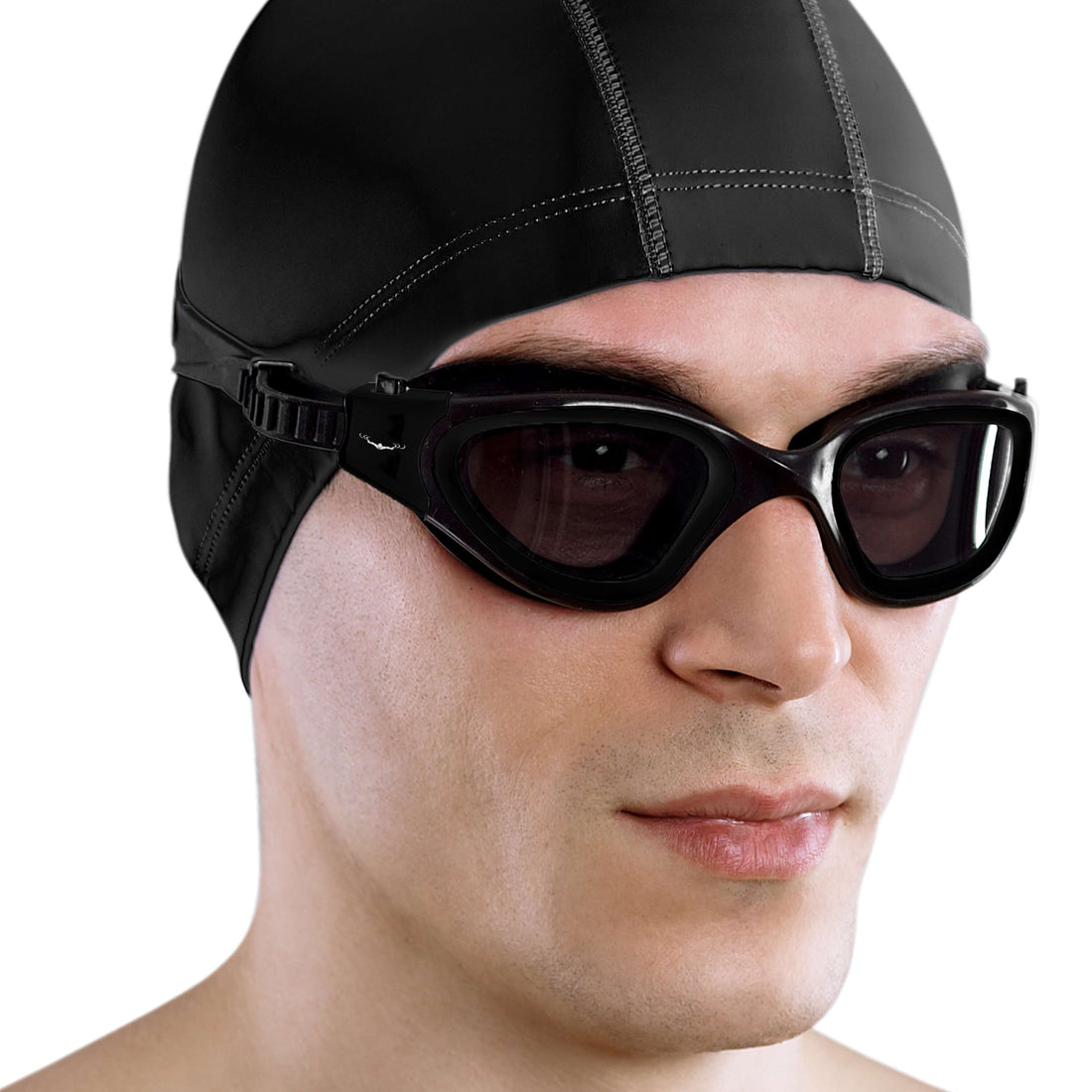
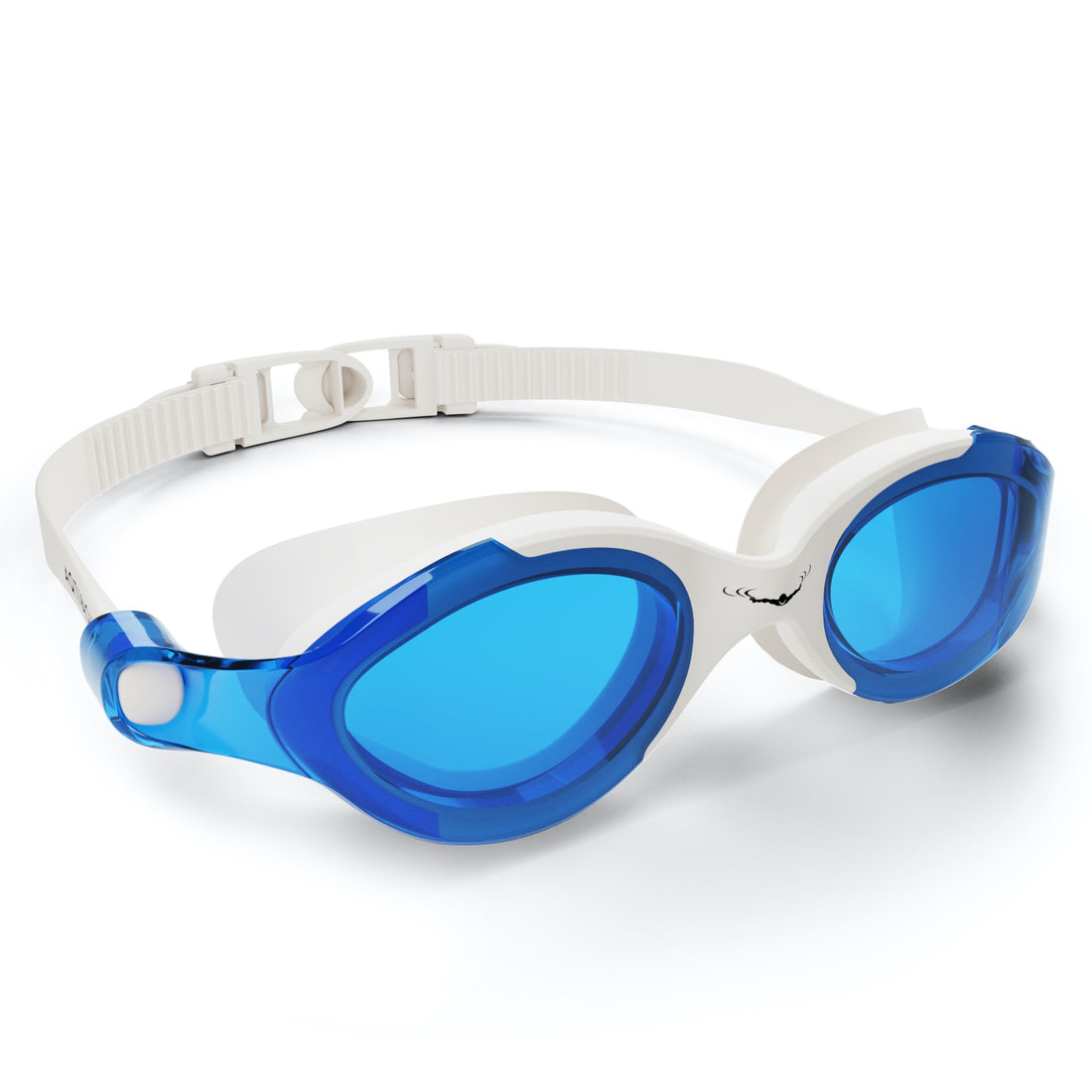
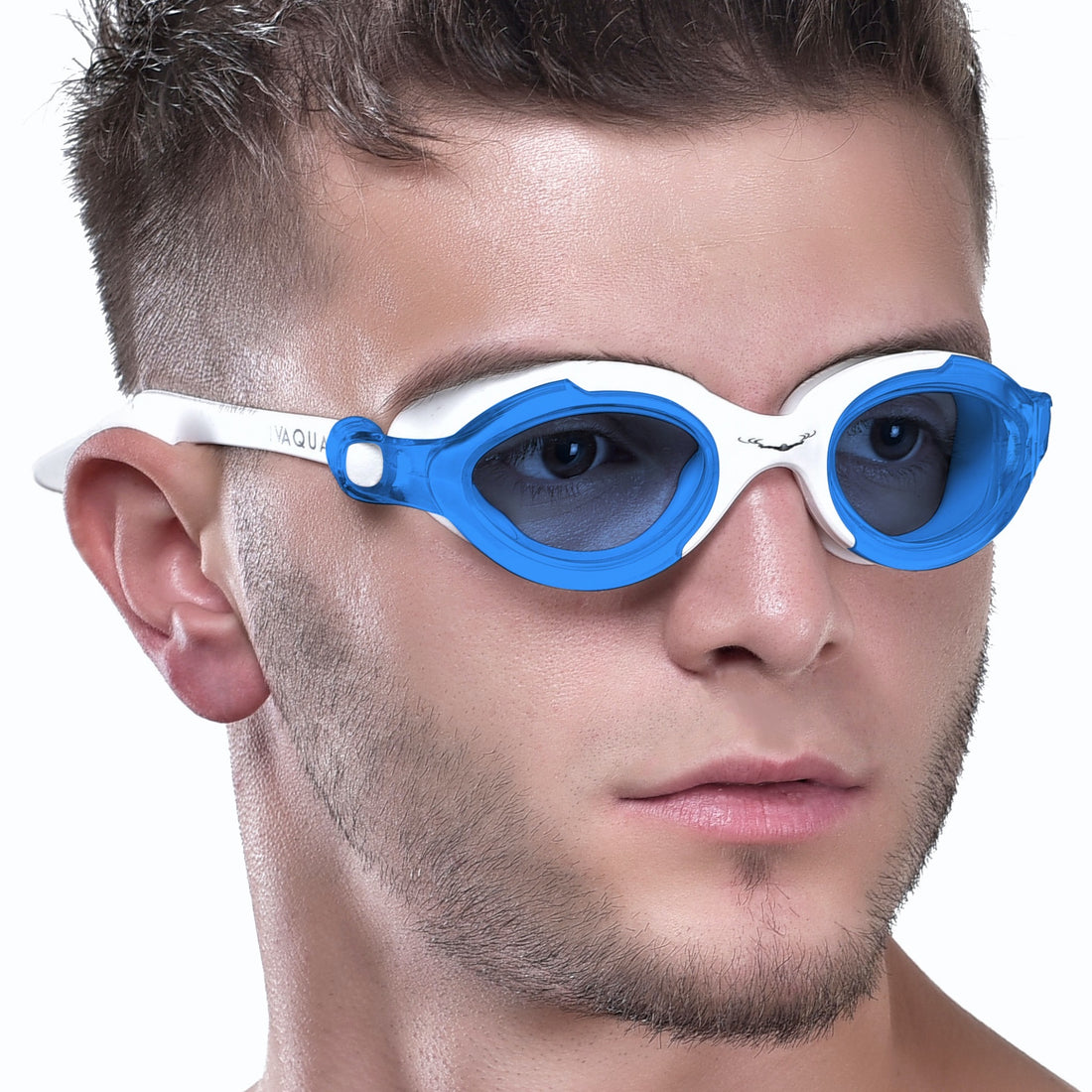
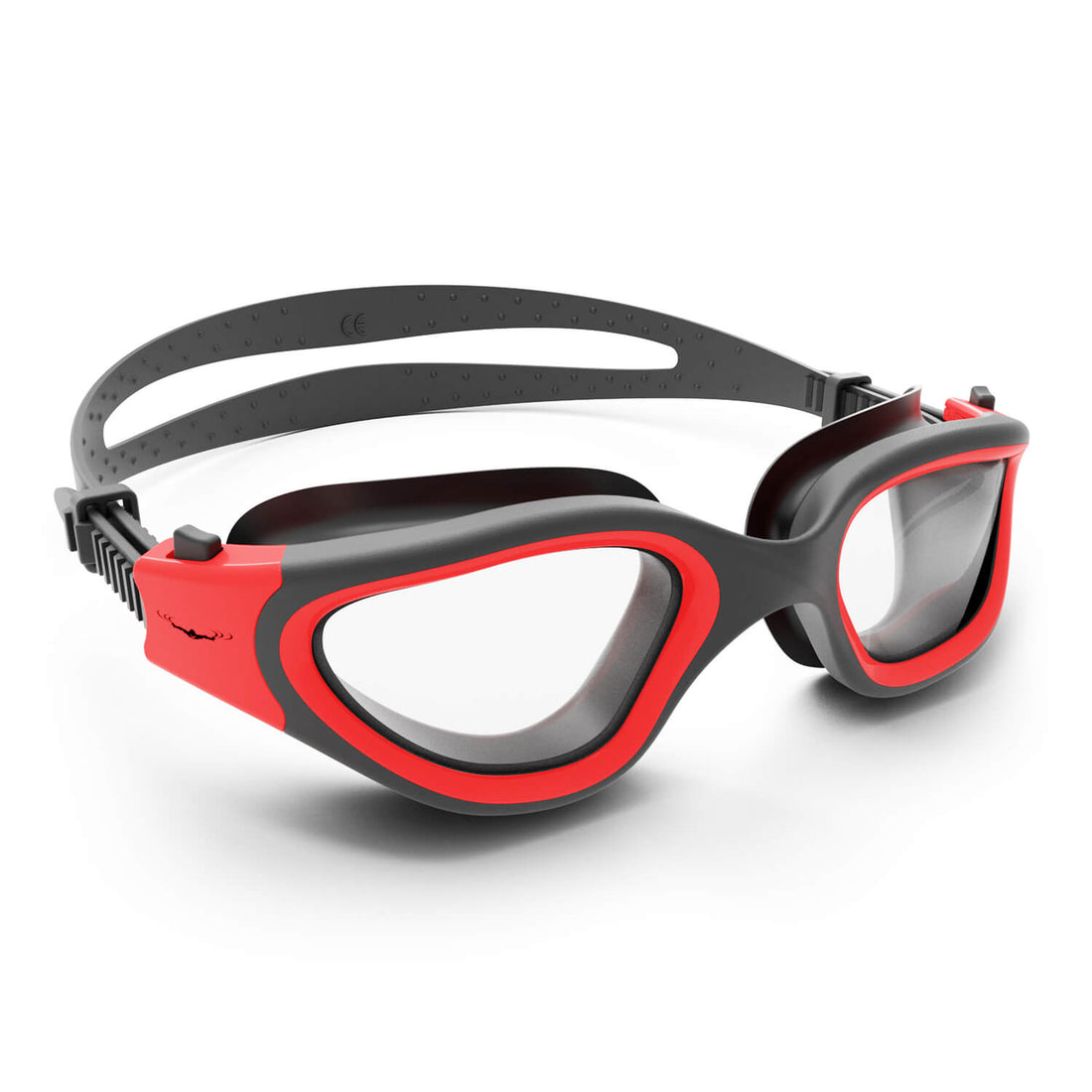
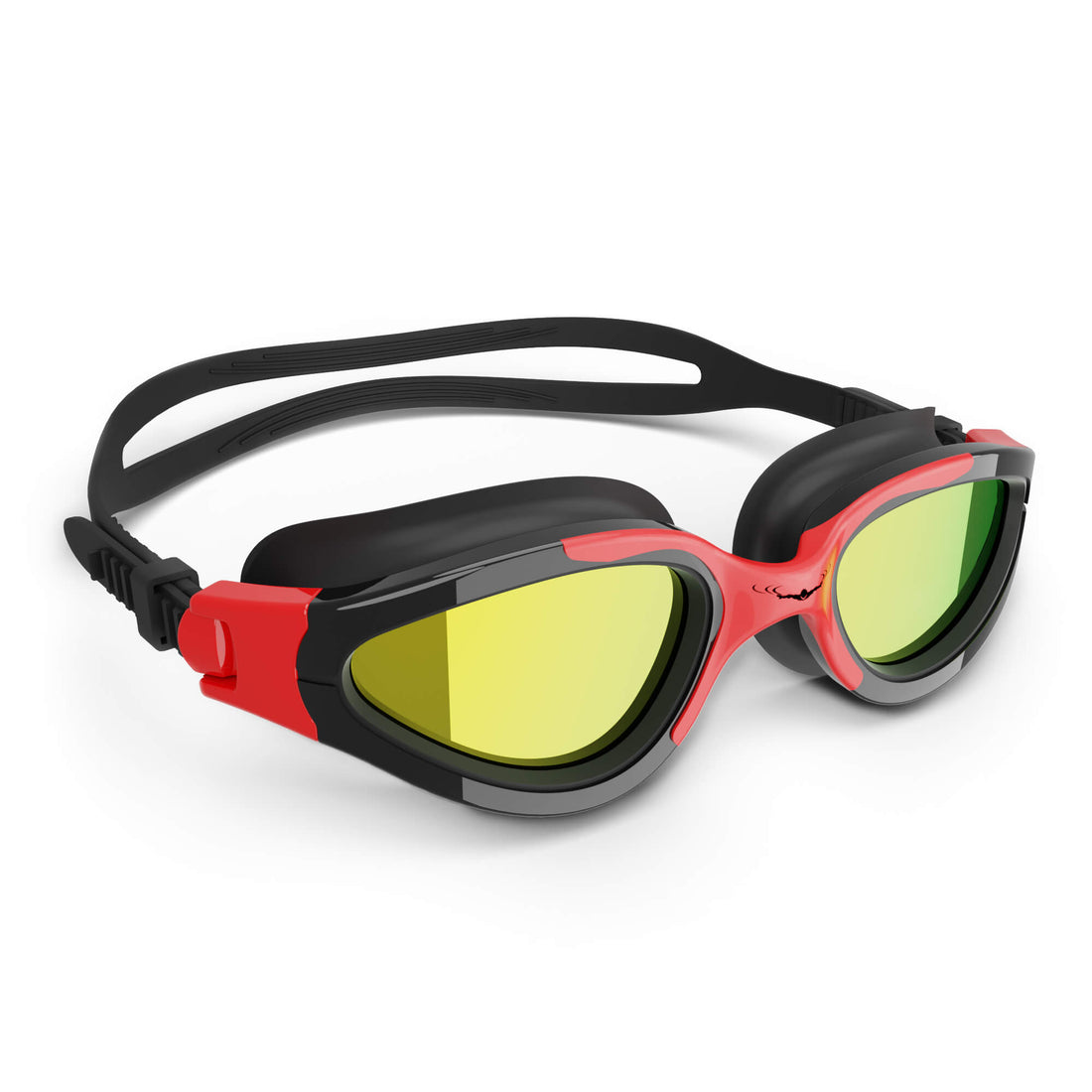
Using high-quality swim goggles can significantly impact your training sessions. For example, the DX Wide View Swim Goggles offer wide visibility, allowing swimmers to focus better on their stroke rather than their gear. Here are some benefits:
- Clear, untinted lenses provide true-color visibility, ensuring you assess your surroundings accurately.
- Advanced anti-fog technology maintains crisp optics above and below water, optimizing your focus.
- Leak-free design ensures you can swim without worrying about comfort or distraction.
Paddles and Fins
Incorporating paddles into your practice can improve your pull strength, while fins can enhance kicking efficiency. Here’s how each can help:
- Paddles increase resistance during swimming, improving your upper body strength and stroke technique.
- Fins promote proper kick technique and help develop a stronger flutter kick.
Common Mistakes to Avoid
Even experienced swimmers can fall into patterns of inefficient technique. Here are some common mistakes to be aware of:
- Overextending Your Strokes: This can lead to loss of energy. Focus on a balanced pull rather than reaching too far.
- Holding Your Breath: Inconsistent breathing can disrupt your rhythm. Practice regular breathing to maintain composure.
- Neglecting Core Engagement: A strong core stabilizes your body and contributes to effective strokes.
Turn Your Technique Into Triumph
Improving your swimming technique is an ongoing journey that takes time, practice, and patience. By focusing on the components of body position, breathing, and stroke mechanics, you can enhance your swimming performance and enjoy your time in the water even more. Incorporate quality swimming gear—like the DX Wide View Swim Goggles—into your training to heighten your focus and efficiency in the water. Remember, mastery comes with persistence, so keep refining your technique and embrace the art of swimming!
Unleash your potential and make waves by incorporating these insights into your swimming routine. With dedication and the right techniques, you'll find yourself gliding through the water with both ease and speed. So, dive right into your journey towards becoming a better swimmer!
Frequently Asked Questions
1. Why is swimming technique important?
2. What are the key components of effective swimming technique?
3. How can swim equipment improve my swimming technique?
4. What are some common mistakes to avoid in swimming?
5. How can I practice to improve my swimming performance?
Glossary
| Term | Meaning |
|---|---|
| Swimming Technique | Specific movements and body positions used during strokes. |
| Efficiency | Ability to swim faster with less energy by reducing drag. |
| Injury Prevention | Proper technique minimizes injury risk by evenly distributing stress. |
| Body Position | Maintaining a streamlined posture to reduce drag in the water. |
| Breathing Technique | Methods of inhaling and exhaling during different strokes. |
| Freestyle | The fastest swimming stroke, emphasizing a flutter kick and bilateral breathing. |
| Backstroke | Swimming on the back with a flutter kick and arm rotation. |
| Breaststroke | A stroke requiring synchronized arm and leg movements for propulsion. |
| Butterfly | A demanding stroke using a dolphin kick and simultaneous arm movement. |
| Swim Goggles | Equipment that enhances visibility and comfort while swimming. |
Linked Product

DX Wide View Swim Goggles + SHOCK Protective Case
The DX Wide View Swim Goggles feature clear, untinted 180° polycarbonate lenses that provide true-color visibility, making them ideal for indoor and low-light swimming. With advanced anti-fog and UV400 protection, these goggles ensure clear vision both above and below the water. The soft double-seals offer a comfortable, leak-free fit, while the included SHOCK protective case allows for quick-dry storage.
View Product