

Overview
Aquaphobia, or fear of water, can stem from traumatic experiences, lack of exposure, or anxiety. Overcoming this fear involves recognizing it, practicing gradual exposure, using relaxation techniques, taking swimming lessons, and setting realistic goals. Building confidence in the water will open up new experiences and joy, turning swimming into a fun activity rather than a source of fear.
Table of Contents
- Understanding the Roots of Aquaphobia
- Recognizing Your Fear
- Gradual Exposure: A Path to Comfort
- Start with Dry Land Exercises
- Taking It to the Pool
- Building Confidence in the Water
- Use Swim Goggles for Clear Vision
- Practice Floating
- Learn to Breathe Properly
- Taking Swimming Lessons
- Incorporating Relaxation Techniques
- Mindfulness and Meditation
- Progressive Muscle Relaxation
- Setting Realistic Goals
- Celebrate Your Achievements
- Join a Support Group or Swim Club
- A Day of Joyful Swimming Awaits
Key Takeaways
- Aquaphobia is often rooted in traumatic experiences, lack of exposure, fear of the unknown, and peer influence.
- Acknowledge your specific fears related to water to effectively manage anxiety.
- Gradual exposure to water, starting with dry land exercises, can help build comfort and confidence.
- Using swim goggles can enhance comfort by providing clear vision and reducing anxiety.
- Consider enrolling in swimming lessons with a qualified instructor for tailored support and guidance.
- Incorporate relaxation techniques like mindfulness and progressive muscle relaxation to reduce anxiety.
- Set realistic goals and celebrate small achievements to maintain motivation on your journey to overcoming aquaphobia.
Fear of water, also known as aquaphobia, is a common issue for many people. Whether it's due to a past traumatic experience or a lack of exposure to water, this fear can be debilitating and often holds people back from enjoying activities like swimming, snorkeling, or simply relaxing by the pool. Fortunately, there are effective strategies to help you overcome this fear and transform your experience in the water. In this comprehensive guide, we’ll explore how to conquer your fear of water and start swimming confidently.
Understanding the Roots of Aquaphobia
To effectively address and overcome your fear of water, it’s important to understand its origins. Here are some common reasons behind aquaphobia:
- Traumatic experiences: A past incident, such as near-drowning or an unsettling experience in a pool, can instill a long-lasting fear.
- Lack of exposure: Individuals who haven’t been exposed to water environments in their formative years may develop a fear simply due to uncertainty.
- Fear of the unknown: Water is vast and deep, and not knowing what lies beneath can trigger anxiety.
- Peer influence: Negative experiences or fearful attitudes from friends and family can also contribute to your own fears.
Recognizing Your Fear
The first step in overcoming your fear of water is acknowledging it. Write down your specific fears — is it the fear of sinking, not being able to breathe, or simply the sensation of being submerged? Understanding what exactly makes you anxious is crucial to managing those feelings effectively.
Gradual Exposure: A Path to Comfort
One of the best ways to conquer your fears is through gradual exposure to the source of that fear. Let’s break it down into manageable steps.
Start with Dry Land Exercises
Before you even enter the water, you can work on your mindset and physical comfort. Practice visualization techniques to picture yourself swimming happily without fear. Additionally, consider doing the following exercises:
- Deep Breathing: Breathing exercises can help reduce anxiety. Inhale deeply for five counts, hold for five counts, and exhale slowly.
- Stretching: Engage in some gentle stretches to get comfortable with your body and its movements.
- Read about Swimming: Familiarize yourself with swimming techniques and success stories. This knowledge can help bolster your confidence.
Taking It to the Pool
Once you feel more comfortable, it’s time to visit the pool. Start with the shallow end where you can stand and feel secure. Remember, you don’t have to dive in right away; simply getting comfortable with being at the edge can be a great first step.
Building Confidence in the Water
As you gain comfort at the pool’s edge, gradually allow yourself to become more immersed in the water. Here’s how you can continue to build confidence:
Use Swim Goggles for Clear Vision
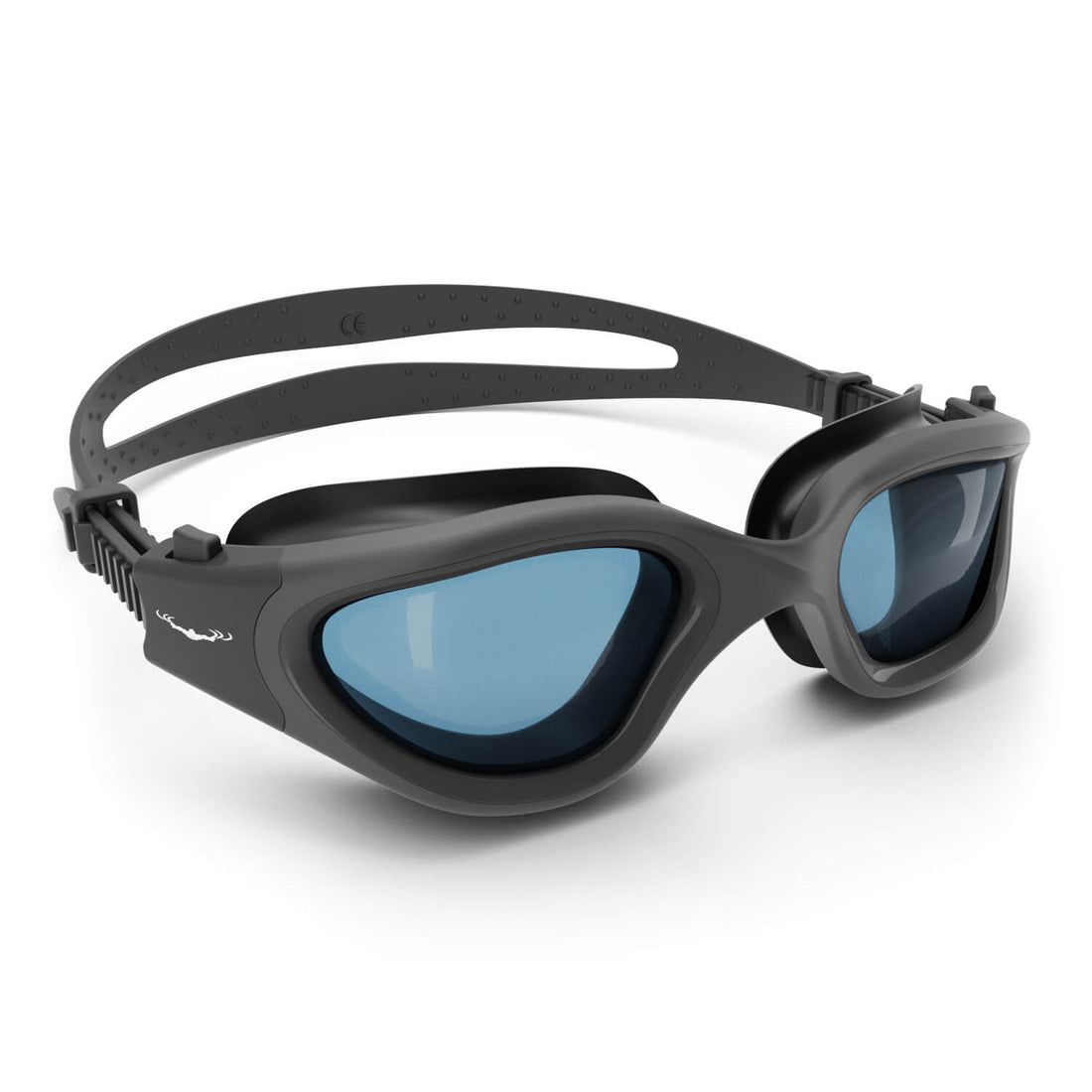
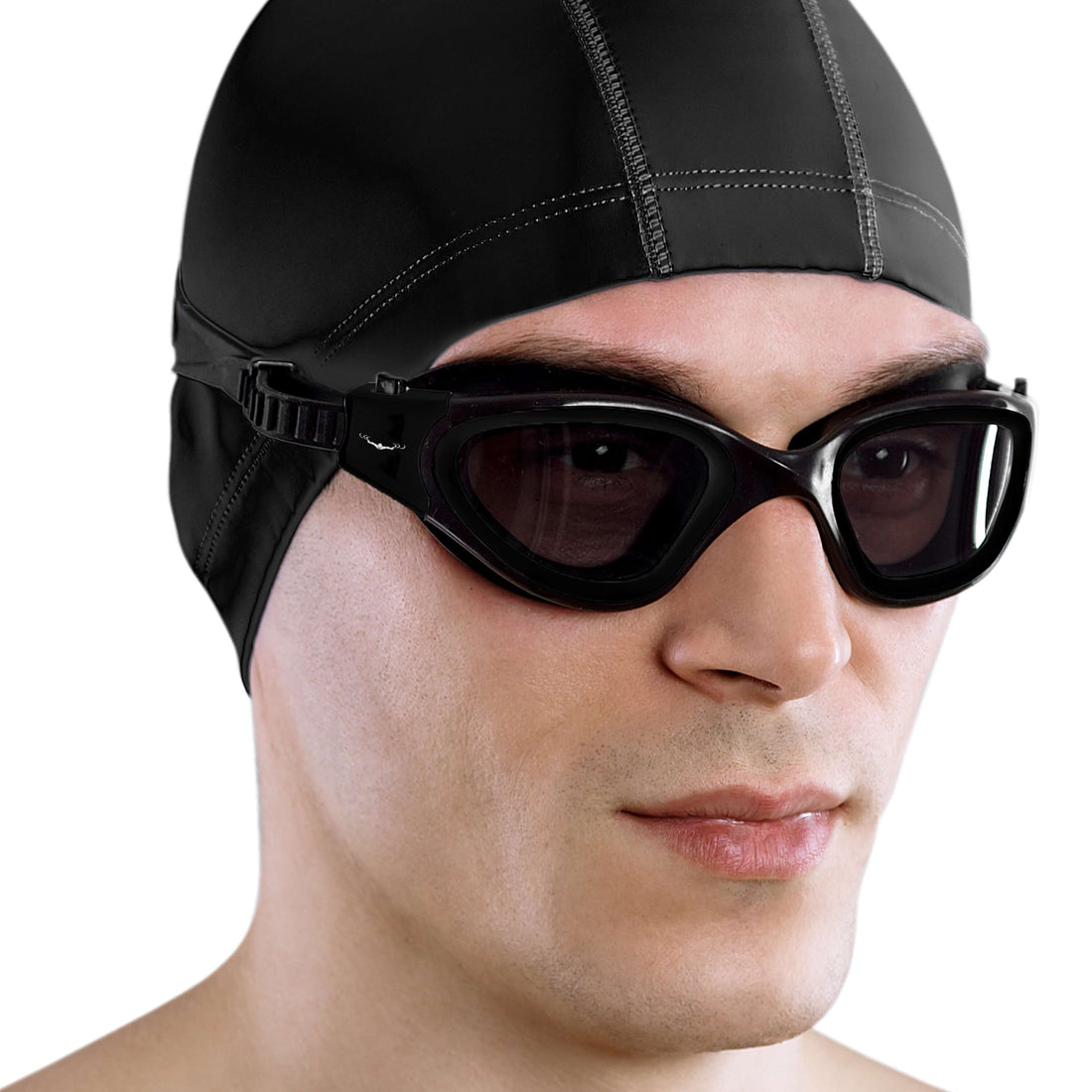
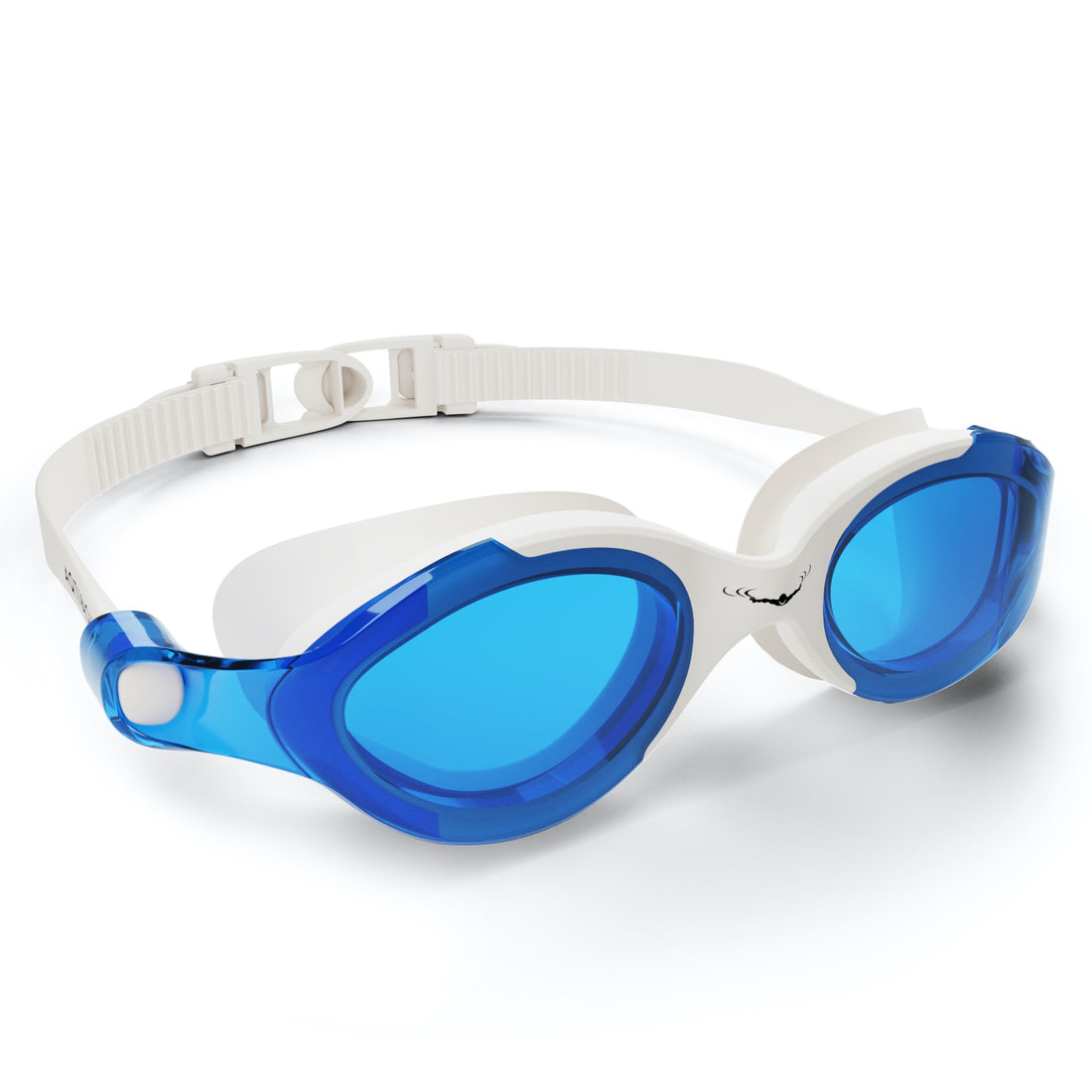
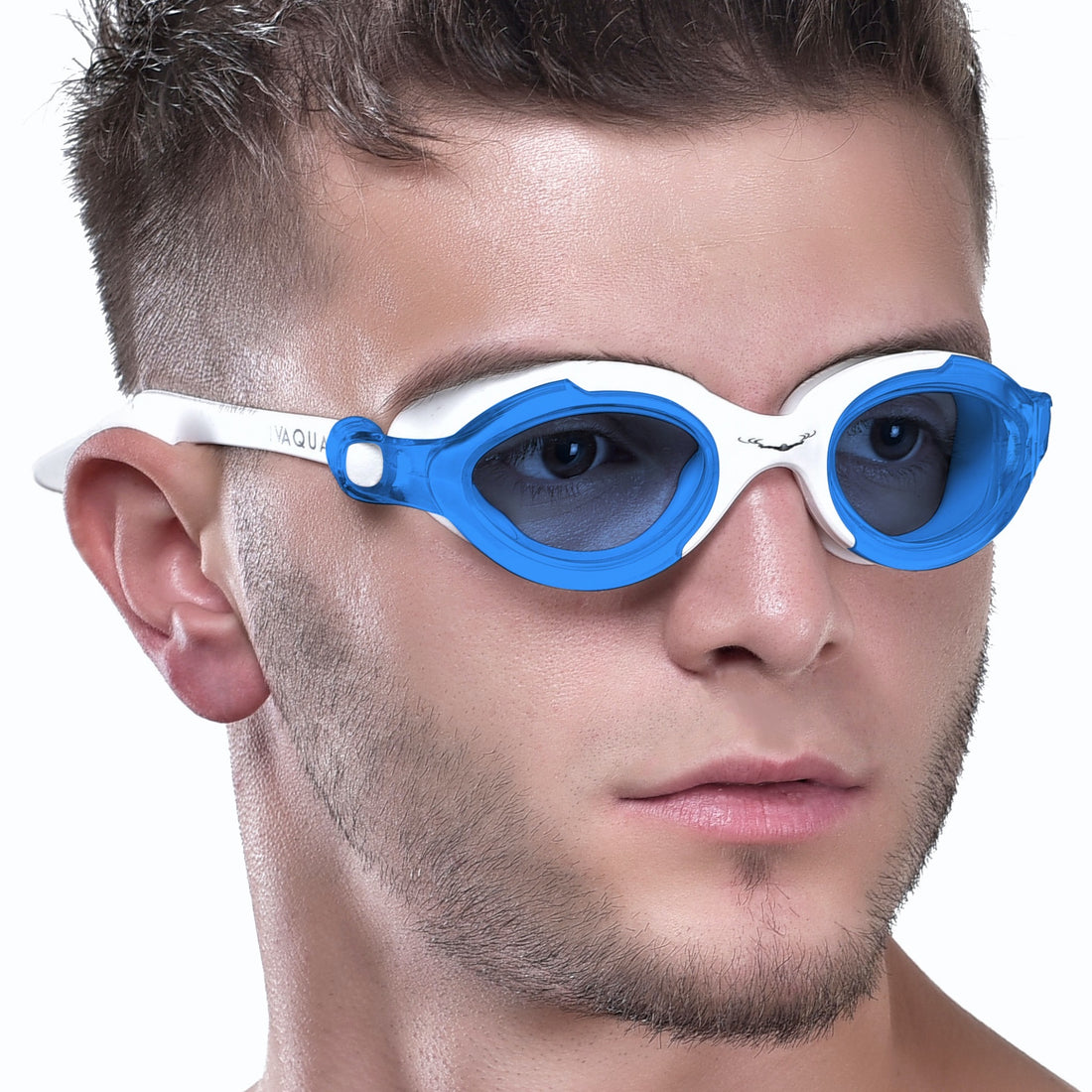
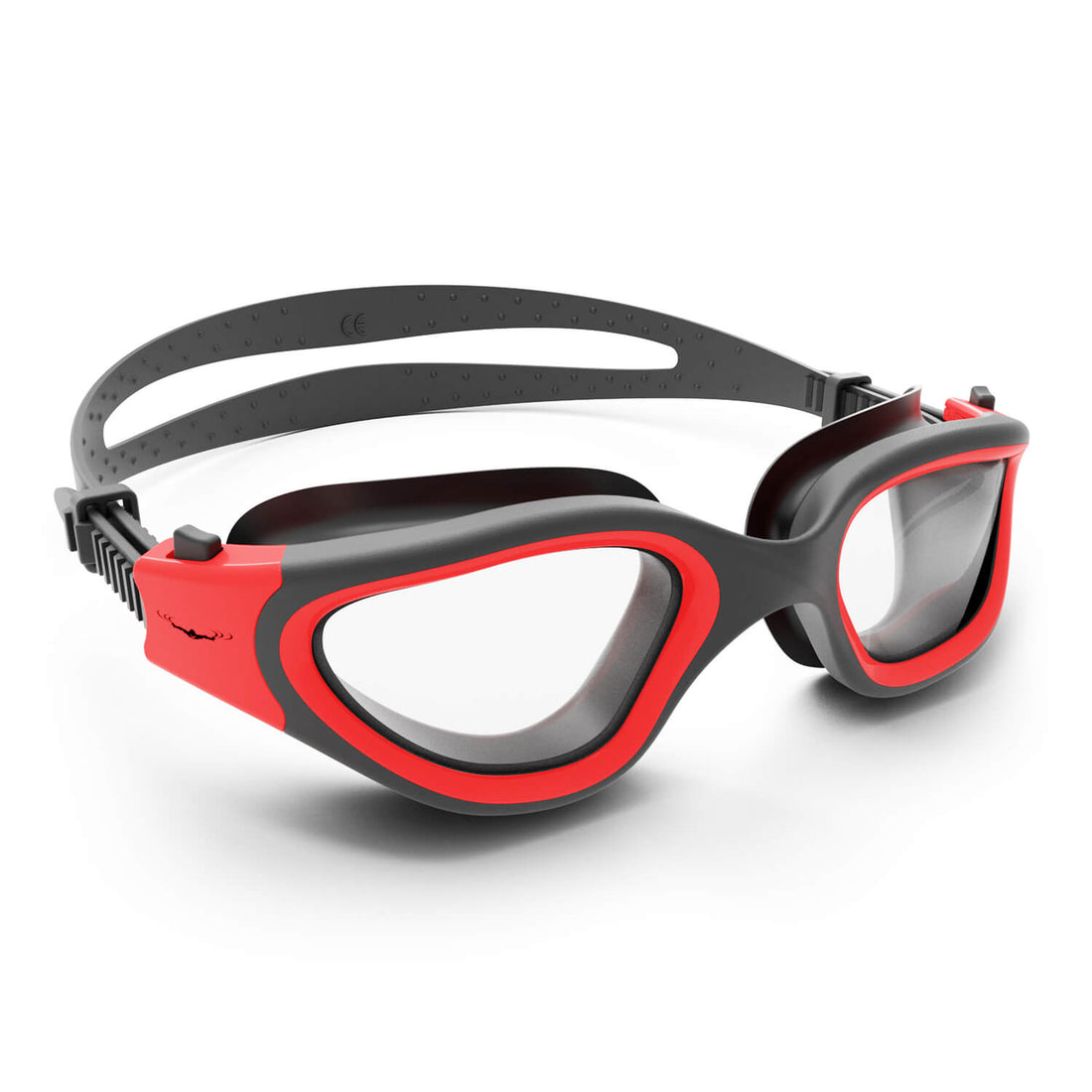
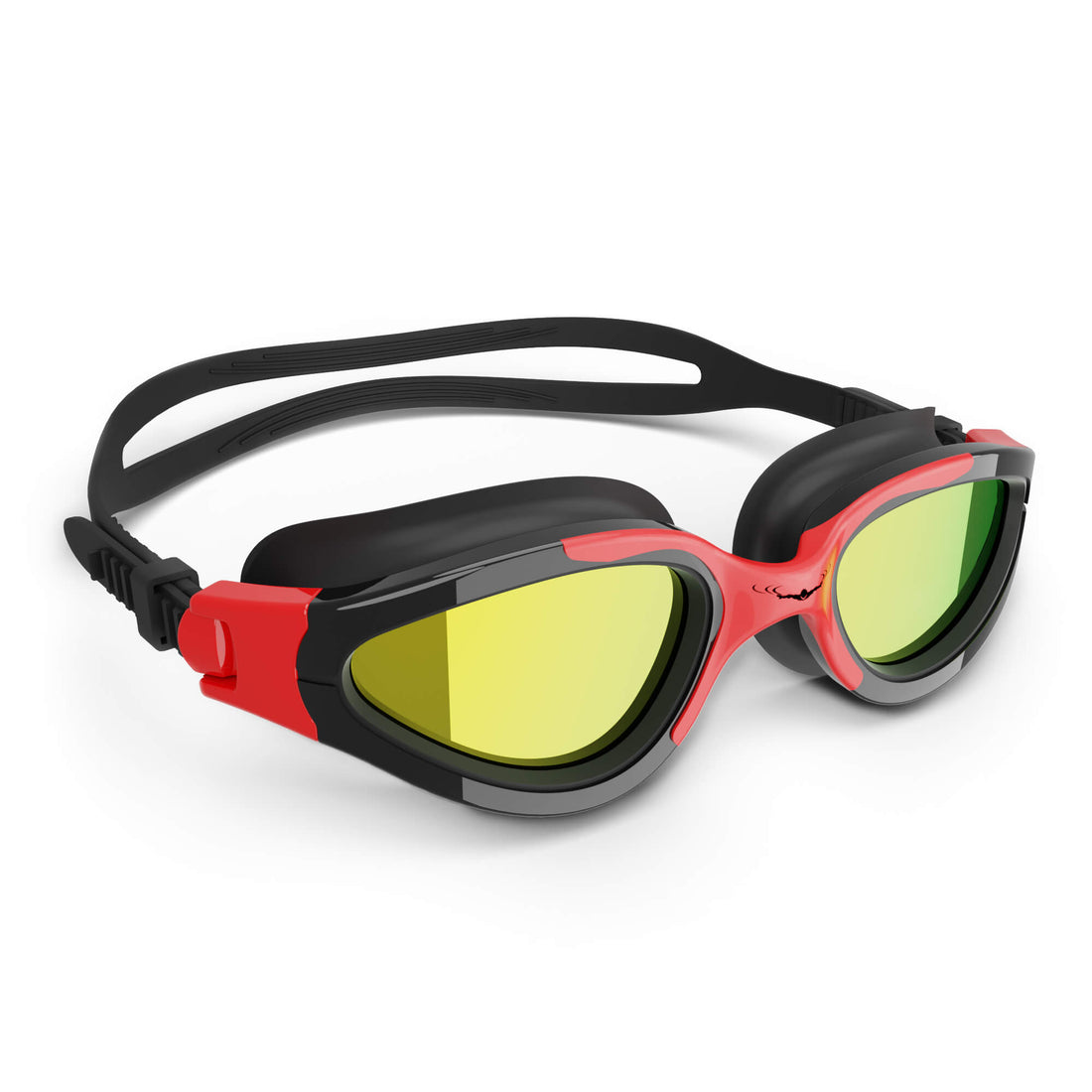
Wearing swim goggles can significantly enhance your comfort level in the water. They help to provide clear vision underwater and prevent the stinging sensation of chlorine in your eyes. With a clear view, you will find it easier to remain calm, focus on your movements, and fully absorb your environment.
Practice Floating
Float on your back in shallow water. This can help you realize that you are buoyant and do not need to fear sinking. Start with your feet on the floor and gradually lift them when you're comfortable. Floating is a critical skill that will foster a sense of safety.
Learn to Breathe Properly
Practice proper breathing techniques as you get more comfortable in the water. Inhale deeply and blow bubbles or exhale through your nose when your face is in the water. Learning to control your breath will help mitigate panic and provides a sense of rhythm in your movements.
Taking Swimming Lessons
Consider enrolling in swimming lessons from a qualified instructor who understands your fear of water. An experienced coach will tailor their approach to ensure a safe and supportive environment. Here are a few benefits of taking swimming lessons:
- Guidance: Professional instructors can teach you proper techniques and breathing methods, making your experience smoother.
- Support: Having an instructor by your side offers reassurance and encouragement during your learning journey.
- Social Interaction: Taking lessons with others can help you feel less isolated in your fear.
Incorporating Relaxation Techniques
In conjunction with your swimming practice, incorporating relaxation techniques can help reduce anxiety levels significantly. Here are some methods you can try:
Mindfulness and Meditation
Engaging in mindfulness practices or meditation can be a great way to stay present during your swim sessions. Whenever feelings of anxiety creep in, focus on your breathing and the rhythm of your movements. You might also try practicing mindfulness exercises outside of the water to become more attuned to your emotions.
Progressive Muscle Relaxation
Before stepping into the water, perform progressive muscle relaxation exercises. This involves tensing and relaxing different muscle groups in your body, starting from your toes and working up to your head. By the time you reach the water, your body will feel more relaxed and at ease.
Setting Realistic Goals
Don’t expect to go from fear to proficiency overnight. Set small, achievable goals for yourself and celebrate each milestone, no matter how small. Here are some example goals:
- Step into the shallow end without hesitation.
- Practice floating for ten seconds.
- Swim one length of the pool with confidence.
Celebrate Your Achievements
As you reach each goal, take a moment to celebrate your accomplishments. Positive reinforcement will increase your motivation and willingness to continue facing your fears.
Join a Support Group or Swim Club
Connecting with others who share similar experiences can create a supportive community as you work on overcoming your fear of water. Look for local aquatics clubs, online forums, or support groups where you can share your journey and gain encouragement from others.
A Day of Joyful Swimming Awaits
Overcoming a fear of water can transform your life, opening up a world of new experiences and joy. Through gradual exposure, consistent practice, and a focus on positive reinforcement, you can learn to swim with confidence. Remember to embrace this journey at your own pace and remember the importance of your mindset. With the right tools, mindset, and support, you will soon find that the water is no longer something to fear but a place of freedom and fun. Dive in, and swim your heart out!
Frequently Asked Questions
1. What is aquaphobia?
2. What causes aquaphobia?
3. What are the first steps to overcoming a fear of water?
4. How can swimming lessons help with aquaphobia?
5. What techniques can help reduce anxiety while swimming?
Glossary
| Term | Meaning |
|---|---|
| Aquaphobia | Fear of water, often leading to avoidance of water activities. |
| Traumatic Experience | A past incident that causes lasting fear, such as near-drowning. |
| Gradual Exposure | Slowly introducing oneself to the source of fear to build comfort. |
| Deep Breathing | A relaxation technique that involves controlled breathing to reduce anxiety. |
| Swim Goggles | Eyewear that enhances vision underwater and prevents irritation. |
| Floating | The ability to stay buoyant on the water's surface, promoting safety. |
| Swimming Lessons | Instructional sessions aimed at teaching swimming techniques and safety. |
| Mindfulness | A practice of staying present and aware, helpful for managing anxiety. |
| Support Group | A community of individuals sharing similar experiences for encouragement. |
| Positive Reinforcement | Encouraging progress through celebration of achievements, big or small. |
Linked Product

DX Wide View Swim Goggles + SHOCK Protective Case
The DX Wide View Swim Goggles feature clear, untinted 180° polycarbonate lenses that provide true-color visibility, making them suitable for indoor and low-light swimming environments. With advanced anti-fog technology and a secure, leak-free fit, these goggles ensure a comfortable experience while allowing you to focus on your swimming technique. Additionally, the included SHOCK protective case offers durable storage, making it easy to keep your goggles safe and dry between uses.
View Product