

Overview
Swimming championships have a rich history that spans from ancient civilizations to modern Olympic events, showcasing the sport's evolution and significance. These competitions not only highlight athletic prowess but also foster community spirit and inspire future generations. Discover how advancements in technology and gear, like UV400 swim goggles, enhance performance and shape the future of competitive swimming.
Table of Contents
- The Origins of Competitive Swimming
- The Evolution of Swimming Styles
- The Birth of National Championships
- The Role of Technology in Swimming
- The Olympics and Competitive Swimming
- Famous Swimming Championships Around the World
- Impact of Swimming Championships on the Sport
- Gearing Up for Success
- The Future of Swimming Championships
- Connecting Through Community and Sport
Key Takeaways
- Historical Roots: Competitive swimming dates back to ancient civilizations, with records of swimming competitions in Egypt, Greece, and Rome.
- Evolution of Techniques: Swimming styles have evolved from basic freestyle to distinct strokes like breaststroke, backstroke, and butterfly, enhancing the sport's complexity.
- National Championships: The late 19th century saw the rise of national swimming championships, starting with the first official competition in the U.S. in 1844.
- Technological Advancements: Innovations in swimwear and gear, including UV400 swim goggles, have significantly improved swimmer performance and competition experience.
- Olympic Significance: Swimming has been a key event in the Olympics since 1896, producing legendary athletes and capturing global attention.
- Impact on Communities: Swimming championships foster community engagement and inspire participation in the sport at local levels.
- Future Prospects: The future of swimming championships looks promising with ongoing technological advancements and eco-friendly initiatives in the sport.
Swimming has been a beloved pastime and competitive sport for centuries, capturing the hearts of audiences around the world. In this blog, we will explore the fascinating history of swimming championships, examining their evolution, significance, and the impact they've had on both athletes and spectators alike. From ancient times to modern-day Olympic competitions, this article will provide a comprehensive overview of how swimming championships have developed over the years while also touching on the essential gear that enhances performance, such as UV400 swim goggles and swim caps.
The Origins of Competitive Swimming
The origins of competitive swimming can be traced back to ancient civilizations. Historical records suggest that swimming was a popular activity in ancient Egypt, Greece, and Rome. In fact, swimming competitions were part of the ancient Olympic Games, which began in 776 BC. Athletes pushed their physical limits in various forms of swimming, showcasing their prowess in this challenging and rewarding sport.
The Evolution of Swimming Styles
As competitive swimming progressed, so did the techniques and styles used by swimmers. In the early days, swimmers primarily used a basic freestyle stroke, but the introduction of different swimming styles revolutionized the sport. The breaststroke, backstroke, and butterfly were formally recognized as distinct strokes, each with their own unique techniques and flair. The evolution of these strokes not only made swimming more exciting but also paved the way for different race formats and championships.
The Birth of National Championships
The late 19th century witnessed the establishment of national swimming championships, spurred on by the growing popularity of the sport. In 1844, the first official swimming competition was held in the United States, where two Native American swimmers showcased their skills in the Potomac River. This event marked the beginning of organized swimming competitions in America.
By the 1900s, national championships were held in various countries, leading to the formation of competitive swimming federations. Federations began to establish rules and regulations, ensuring fairness and safety during competitions. The incorporation of these regulations laid the foundation for the development of international championships, including the prestigious FINA (Fédération Internationale de Natation) World Championships that began in 1973.
The Role of Technology in Swimming
Technology has played a significant role in the advancement of swimming championships. Over the years, improvements in swimwear, timing systems, and training methods have enhanced athlete performance. One such example is the introduction of high-tech swimwear designed with hydrodynamic properties, allowing swimmers to glide through the water with greater ease.
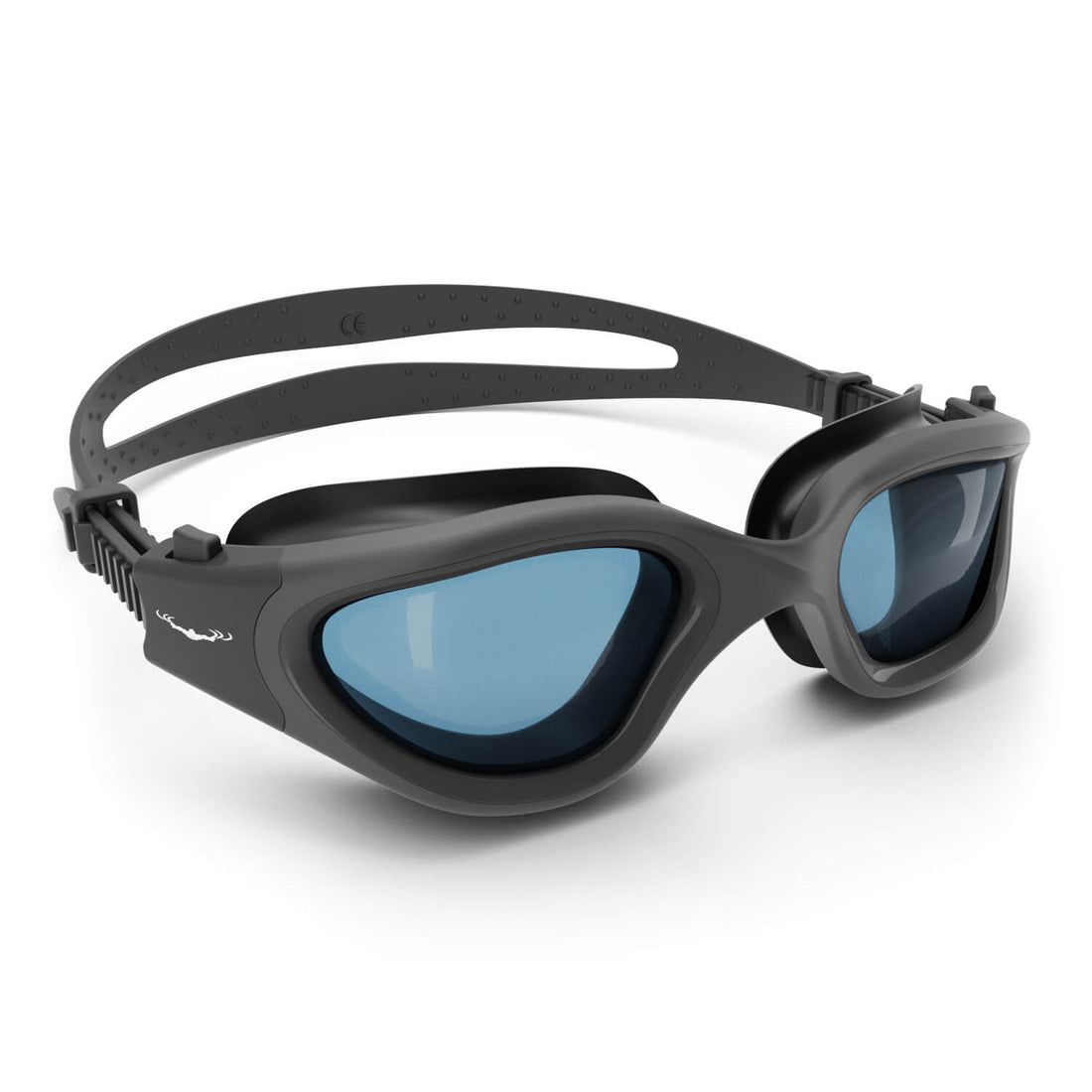
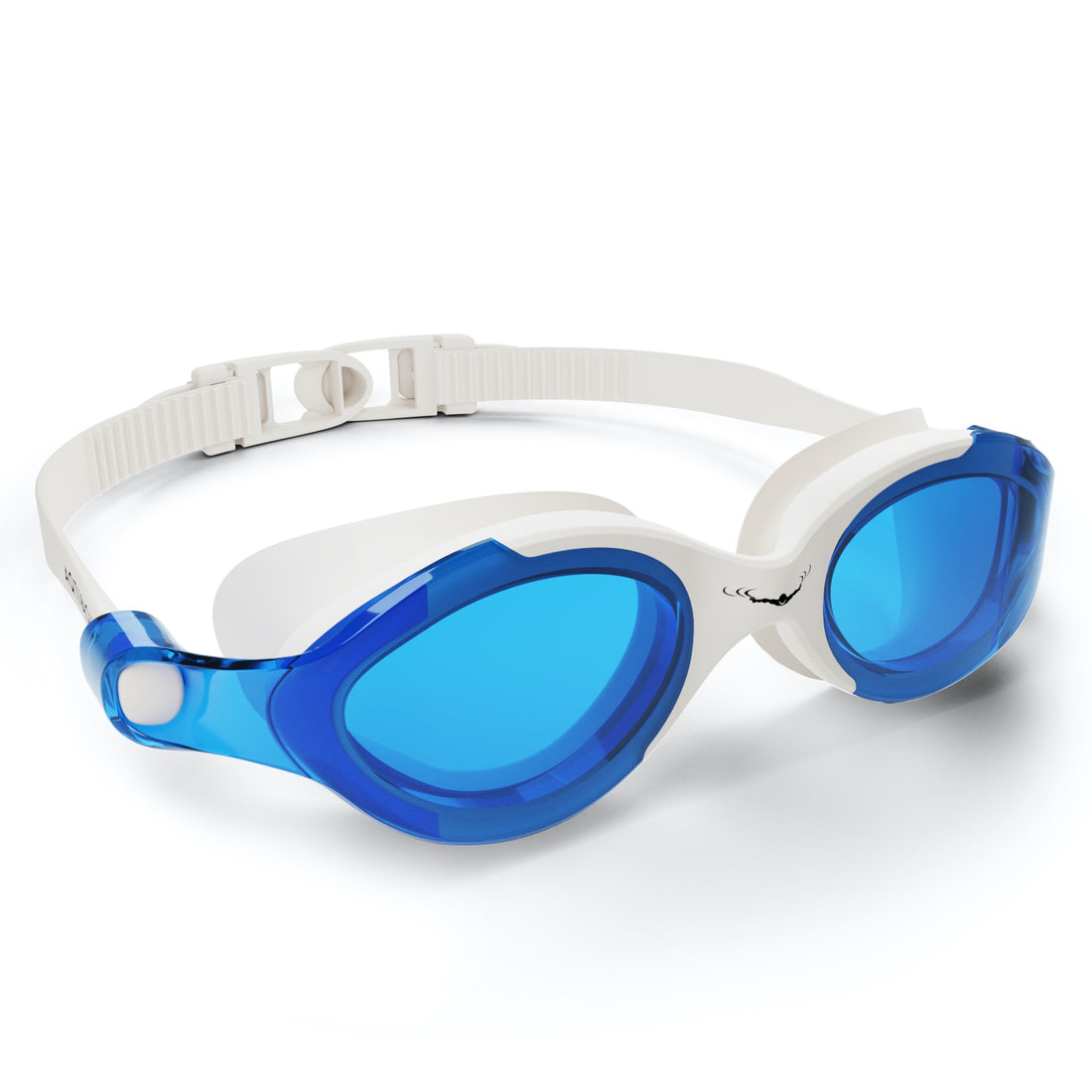
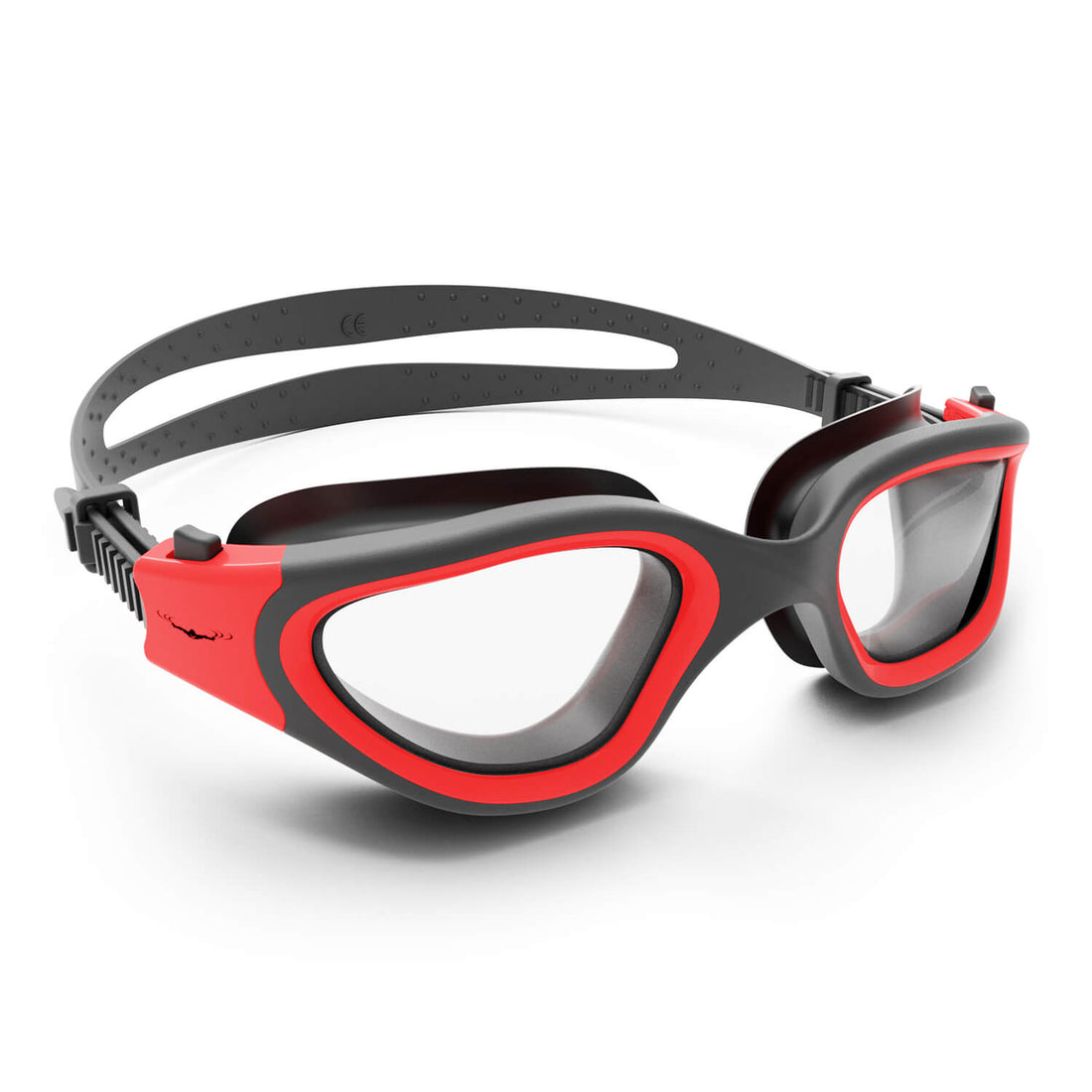
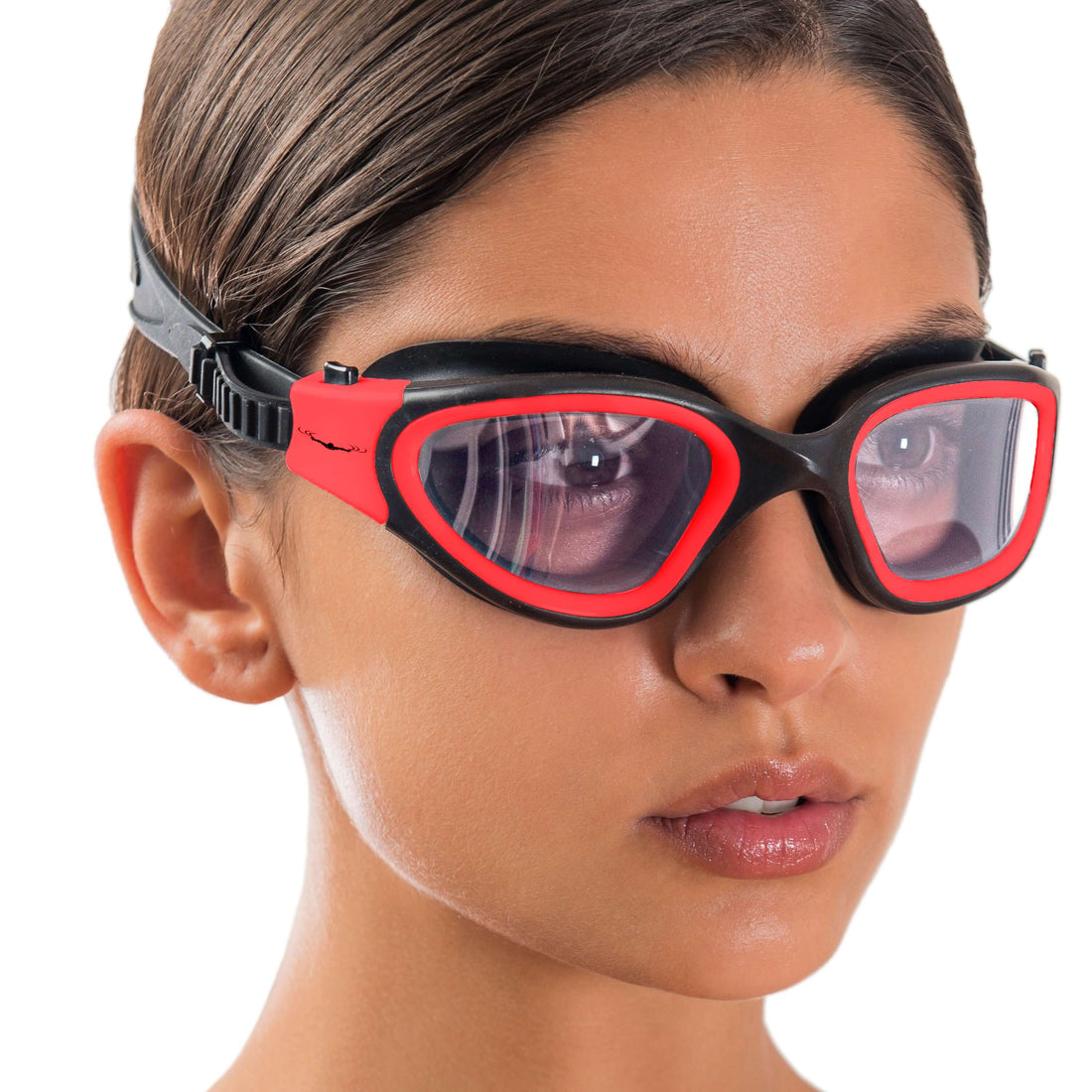
Moreover, the integration of technologies like UV400 swim goggles has transformed the way athletes prepare for and compete in swimming events. These innovative goggles provide clear, untinted lenses that ensure true-color visibility, crucial for competitive swimming. Furthermore, advanced anti-fog features and leak-proof designs ensure that swimmers can focus solely on their performance, without the distractions of fogged or leaky gear.
The Olympics and Competitive Swimming
The Olympic Games have always held a special place in the hearts of swimmers. Competitive swimming made its official Olympic debut at the 1896 Summer Olympics in Athens. Since then, swimming events have become some of the most eagerly anticipated competitions during the Games.
Over the years, the Olympics have produced legendary swimmers whose incredible achievements have inspired many aspiring athletes. Icons like Michael Phelps, Katie Ledecky, and Mark Spitz have not only won numerous gold medals but have also elevated the sport to unprecedented heights, capturing the attention of fans globally.
Famous Swimming Championships Around the World
Several prestigious swimming championships take place annually and are regarded as essential fixtures in the sporting calendar. Among them, the FINA World Aquatics Championships stand out, showcasing the world's best swimmers. The event features various aquatic disciplines, including swimming, diving, and water polo, making it a multifaceted celebration of aquatic sports.
Additionally, the Commonwealth Games and European Championships are critical arenas for swimmers to prove their skills and represent their countries. International competitions, such as the World Swimming Championships (25m), further provide a stage for top-tier swimmers to excel and break records.
Impact of Swimming Championships on the Sport
The cultural and social impact of swimming championships is indisputable. These events not only celebrate athletic talent but also inspire communities and foster camaraderie. Schools and local clubs often capitalize on the excitement surrounding major competitions to promote swimming as an accessible and enjoyable sport for children and adults alike.
Moreover, swimming championships have had a significant influence on the sporting industry. The popularity of such events has led to increased sponsorships, media coverage, and opportunities for athletes to pursue professional swimming careers. The recognition these championships bring to the sport as a whole has contributed to the establishment of swimming programs in schools and local clubs, helping to grow the sport and its fan base.
Gearing Up for Success
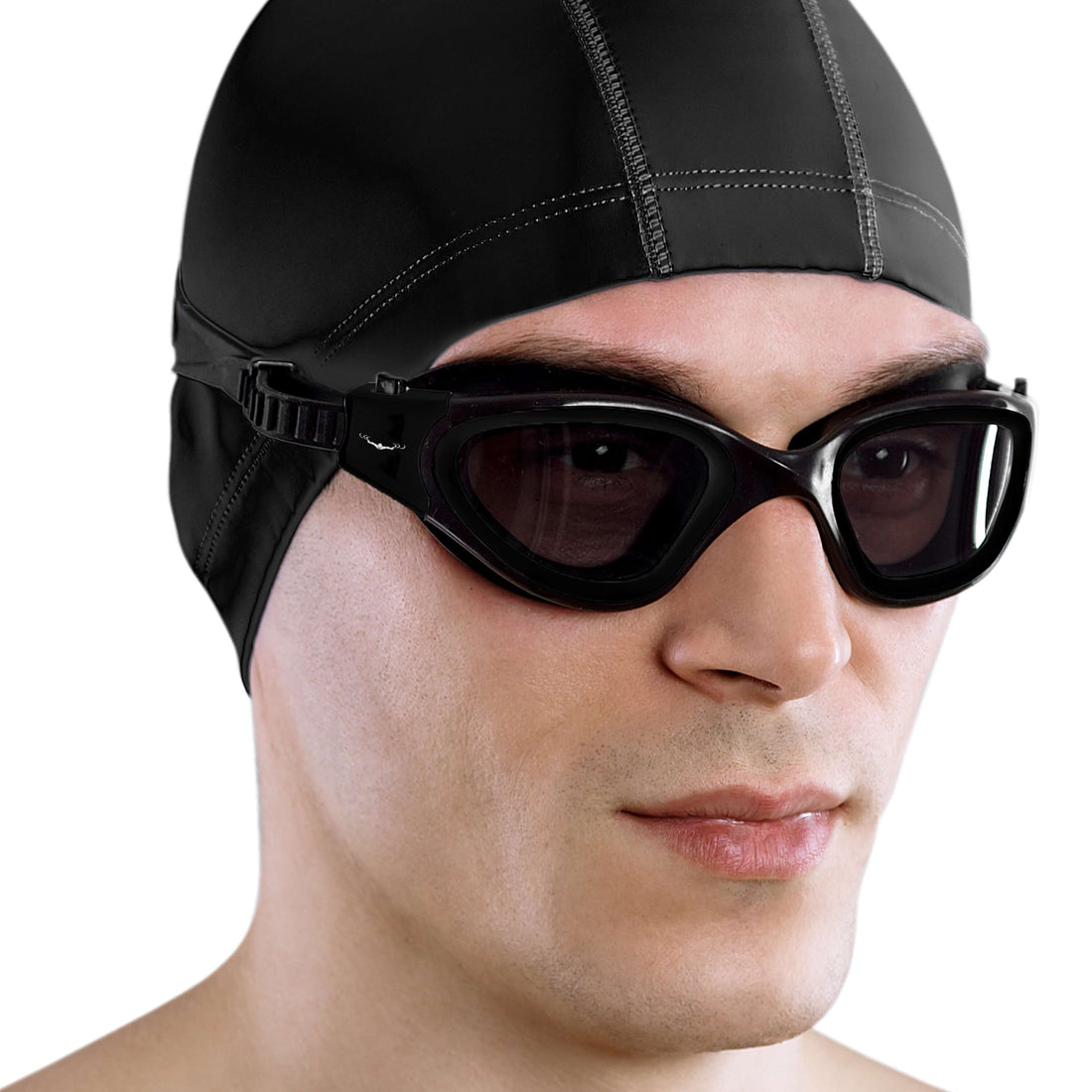
As swimming championships continue to evolve, so does the gear that supports athletes in their quest for success. Essential items like swim caps, which provide hydrodynamics and reduce drag, are critical for competitive swimmers. The right swim cap can make a significant difference in performance, making it essential for competitors to select high-quality options for their training and races.
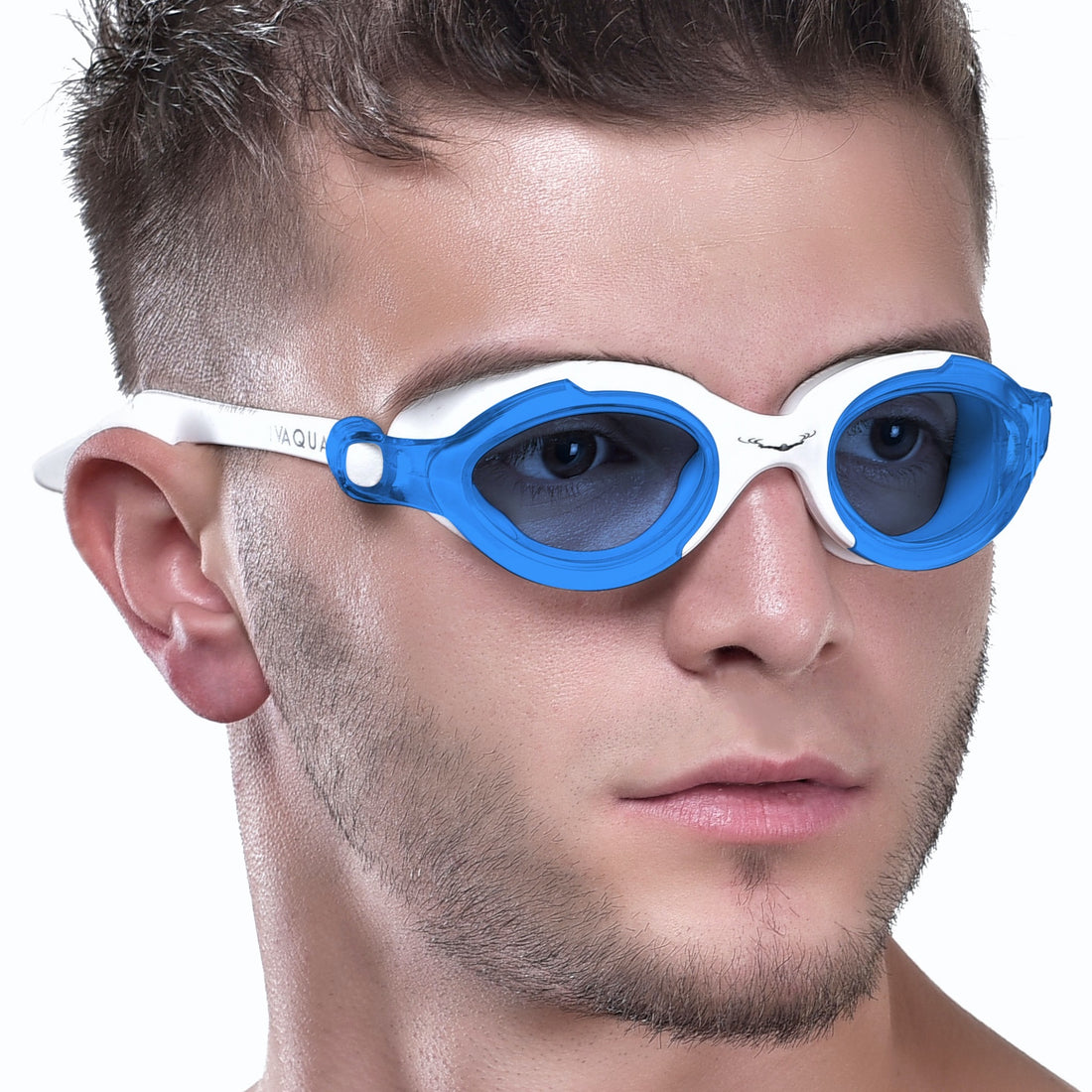
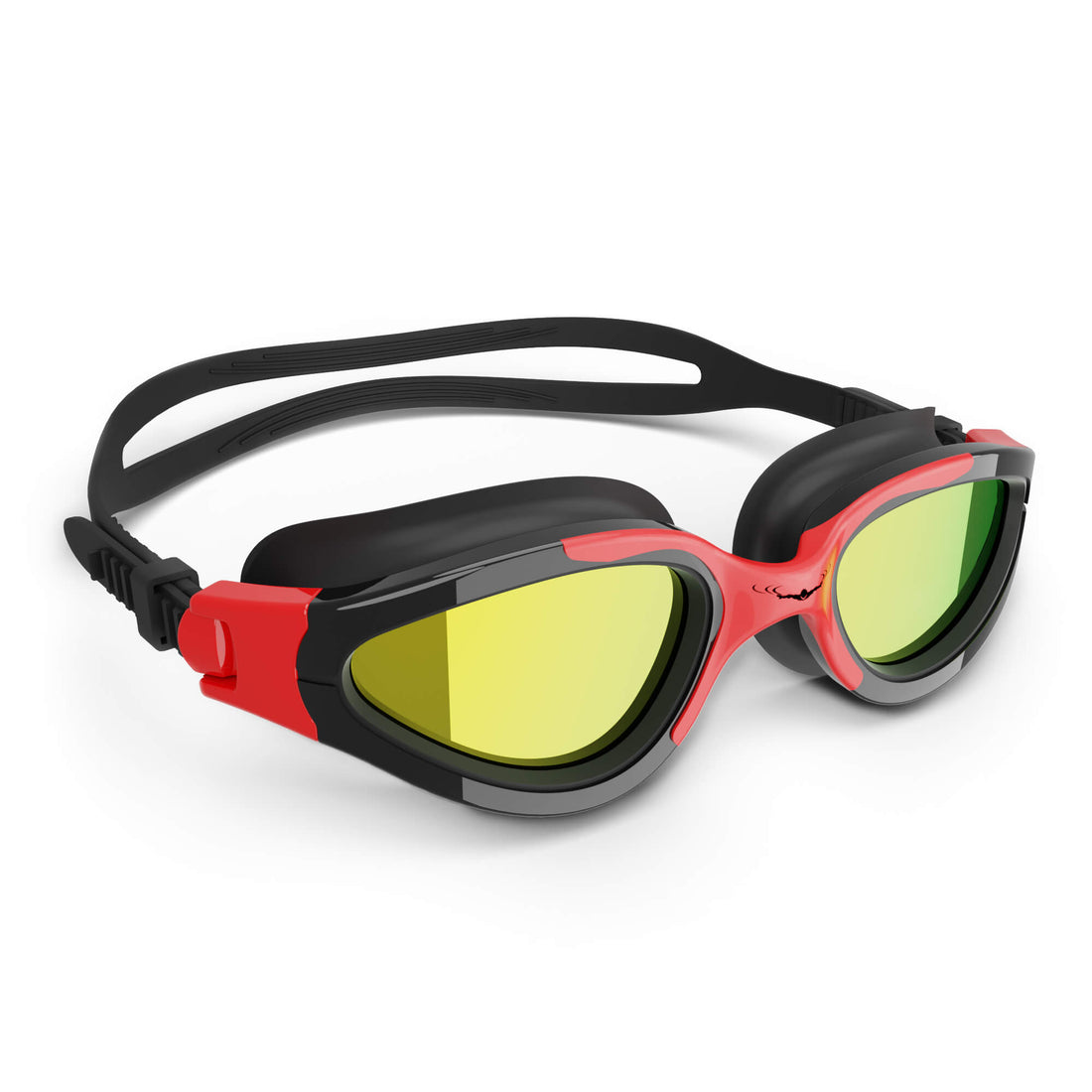
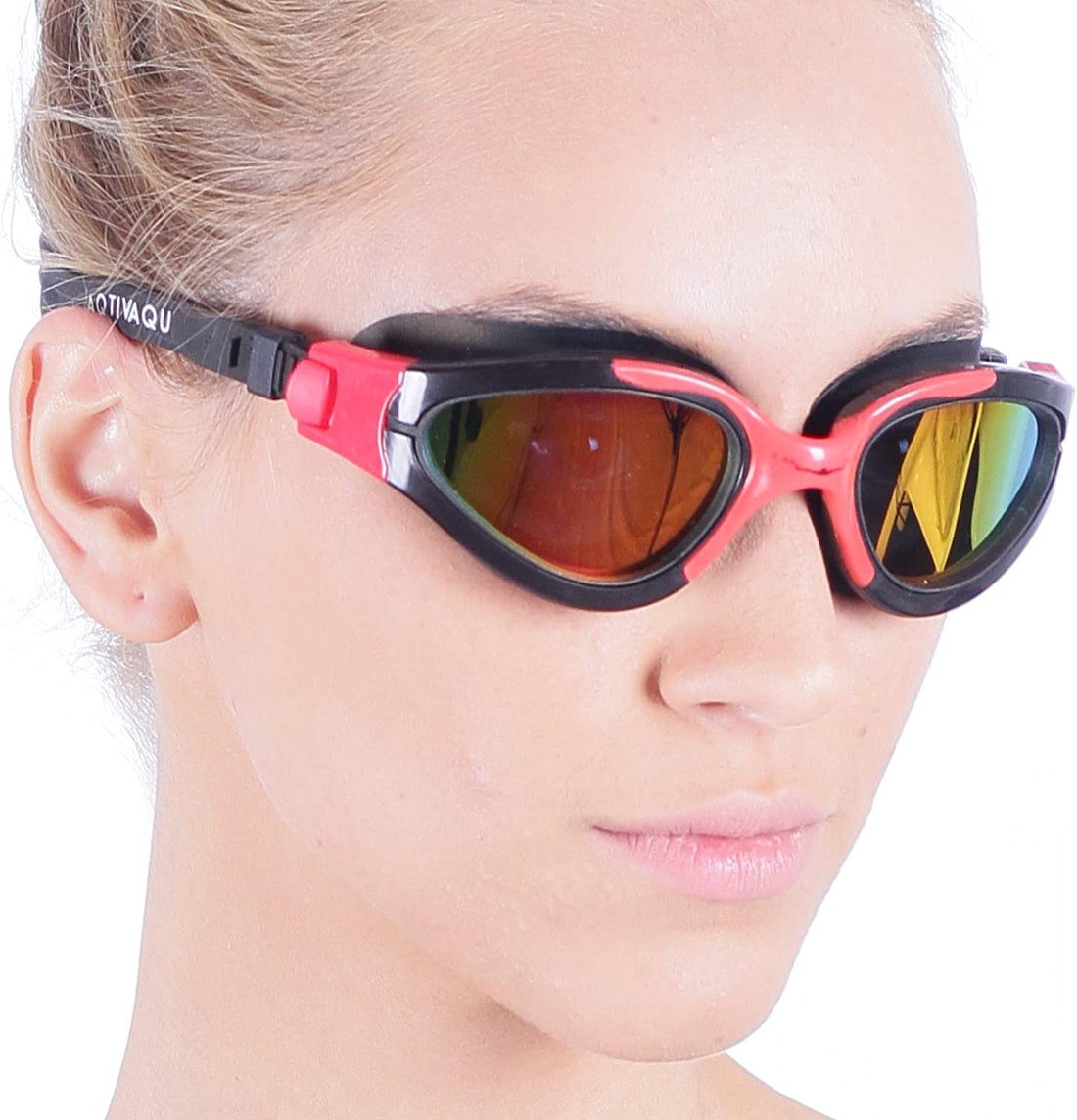
Similarly, top-of-the-line swim goggles, such as those with UV400 protection, provide athletes with the clarity they need during competitions. These goggles incorporate advanced features, ensuring that swimmers don't miss a moment of their race, allowing them to maintain focus on the finish line.
The Future of Swimming Championships
As we look forward, the future of swimming championships appears bright. With the ongoing advancements in technology, training methods, and athlete coaching, the sport continues to develop. Upcoming events promise to showcase exciting competitions where new swimming records may be set.
Moreover, the environmental changes influencing aquatic sports are being addressed through eco-friendly initiatives. From sustainable swimwear materials to energy-efficient swimming pools, efforts are being made to ensure the sport remains viable for future generations.
Connecting Through Community and Sport
Swimming championships have the power to unite individuals from all walks of life. Whether you are an avid swimmer, a coach, or a passionate fan, the enthusiasm and support during these events create a unique atmosphere of camaraderie. Engaging with local swimming clubs or attending major competitions fosters a sense of community that promotes participation in the sport.
In summary, the history of swimming championships is a compelling tale of the evolution of a sport that resonates with people across the globe. From ancient beginnings to high-stakes Olympic competitions, swimming continues to encourage athleticism while bringing communities together. As technology advances, and opportunities grow, the excitement surrounding swimming championships will undoubtedly continue to flourish, ensuring that athletes remain focused on their goals, whether they’re breaking records or simply enjoying the thrill of competition.
To dive deeper into swimming championships and enhance your performance, check out essential swimming gear and apparel available at Aqtiva Aqua. Unleash your potential in the water and become part of the ever-evolving narrative of this captivating sport!
Frequently Asked Questions
1. What is the history of competitive swimming?
2. What are the different swimming styles recognized in competitive swimming?
3. When were national swimming championships first established?
4. How has technology influenced swimming championships?
5. What impact do swimming championships have on communities and athletes?
Glossary
| Term | Meaning |
|---|---|
| Competitive Swimming | Swimming as a sport with organized races and events. |
| Freestyle | A swimming stroke characterized by an alternating arm movement and a flutter kick. |
| Breaststroke | A swimming style where the arms move in a circular motion while the legs perform a frog kick. |
| Backstroke | A stroke performed on the back, using an alternating arm movement and a flutter kick. |
| Butterfly | A stroke where both arms move simultaneously in a windmill motion, accompanied by a dolphin kick. |
| FINA | The international federation governing competitive swimming and aquatic sports. |
| UV400 Swim Goggles | Goggles with lenses that block harmful UV rays, enhancing visibility during swimming. |
| Hydrodynamics | The study of fluid motion, crucial for improving swimming efficiency and speed. |
| National Championships | Competitions held within a country to determine the best swimmers. |
| Olympics | International multi-sport event where swimming is a featured competition. |
Linked Product

DX Wide View Swim Goggles + SHOCK Protective Case
The DX Wide View Swim Goggles feature clear, untinted 180° polycarbonate lenses for true-color visibility, making them ideal for indoor pools and low-light conditions. With advanced anti-fog technology and a secure, leak-free design, these goggles ensure a comfortable fit during intense swimming sessions. The included SHOCK protective case provides durable storage and quick-dry capabilities, making it a practical choice for swimmers.
View Product