

Overview
Owning a swimming pool offers summer enjoyment, but requires regular maintenance for clean, safe water. Key tasks include testing water chemistry, proper filtration and circulation, regular brushing and vacuuming, keeping the surrounding area clean, and caring for pool accessories. Seasonal maintenance, addressing common problems, and investing in quality equipment are essential for optimal pool enjoyment and longevity.
Table of Contents
- Understanding Pool Maintenance Requirements
- Regular Water Testing
- Filtration and Circulation
- Brushing and Vacuuming
- Keeping the Surrounding Area Clean
- Caring for Pool Accessories
- Maintaining Swimming Goggles
- Taking Care of Swimming Headbands
- Seasonal Maintenance Tasks
- Common Pool Problems And Solutions
- Investing in Quality Pool Equipment
- Embrace A Swimming Lifestyle
Key Takeaways
- Regular Water Testing: Test pH levels (7.2-7.6), alkalinity, and chlorine (1-3 ppm) to ensure safe swimming conditions.
- Efficient Filtration: Run your pool filter for 8-12 hours daily and clean it regularly to maintain water clarity.
- Brushing and Vacuuming: Brush pool surfaces weekly and vacuum regularly to prevent algae and debris buildup.
- Surrounding Area Maintenance: Keep the pool area tidy by sweeping and removing large debris to minimize contamination.
- Seasonal Tasks: Perform annual maintenance like opening and closing the pool, and inspecting equipment to prevent costly repairs.
- Quality Equipment: Invest in high-quality filters, pumps, and accessories to enhance maintenance efficiency and swimming experience.
- Routine Commitment: Establish a maintenance routine to ensure your pool remains a safe and enjoyable environment throughout the season.
Owning a swimming pool can be a fantastic way to enjoy the summer, host gatherings, and get some much-needed relaxation. However, keeping your pool in tip-top shape requires regular maintenance. This comprehensive guide outlines how to maintain a swimming pool efficiently and effectively, ensuring crystal-clear water and a safe swimming environment for you, your family, and even your furry friends!
Understanding Pool Maintenance Requirements
Each swimming pool requires different maintenance based on its type (in-ground or above-ground), size, and materials. Regular maintenance helps prevent costly repairs and keeps your pool inviting. Getting the essentials right will take you a long way in providing a safe swimming space.
Regular Water Testing
One of the most crucial aspects of pool maintenance is testing the water chemistry. You’ll need to check the pH levels, alkalinity, and chlorine concentration. Ideal pH levels should range between 7.2-7.6, while chlorine levels should hover around 1-3 ppm. Utilizing water test strips or a testing kit can help you achieve the right balance.
- pH levels: Essential for swimmer comfort and sanitizer efficiency.
- Alkalinity: Keeps the pH levels stable.
- Chlorine: Disinfects water and keeps algae at bay.
If readings are off, you may need to add chemicals to balance the water. Be sure to follow all safety instructions when handling pool chemicals.
Filtration and Circulation
Proper filtration plays a vital role in maintaining clean swimming water. The filtration system helps remove dirt and debris, ensuring a comfortable swimming experience. Here are some tips to improve your pool’s filtration and circulation.
- Run the filter: Your pool filter should operate for at least 8-12 hours a day, especially during peak usage seasons.
- Clean the filter regularly: Whether you have a sand, cartridge, or diatomaceous earth filter, maintenance is key. A clogged or dirty filter will not work efficiently.
- Avoid clogging: Install a skimmer to catch leaves, bugs, and other debris before they reach the filter. Regularly cleaning the skimmer basket will minimize clogging as well.
Brushing and Vacuuming
Even with a filtration system in place, algae and dirt can still build up on pool surfaces. Regular brushing of the pool walls and floor will help ensure that debris does not settle and create a breeding ground for algae. Depending on the size of your pool, this can be a weekly task.
In addition to brushing, vacuuming is essential for removing any debris that may sink to the bottom of the pool. Manual or automatic pool vacuums are available, letting you choose the best option based on your time and energy.
Keeping the Surrounding Area Clean
The area around your pool also needs attention! Trash, leaves, and dirt can quickly make their way into the water. Keeping the surrounding area clean is as important as maintaining the cleanliness of the water itself. Here are some tips:
- Regular sweeping: Dust, debris, and small items can accumulate quickly. Utilize a broom or blower to keep the area tidy.
- Remove large debris: Leaves and branches can easily find their way into the pool. Use a leaf net or skimmer to remove these larger items regularly.
- Maintain landscaping: Trim any overhanging trees or shrubs that could drop leaves or flowers into the pool.
Caring for Pool Accessories
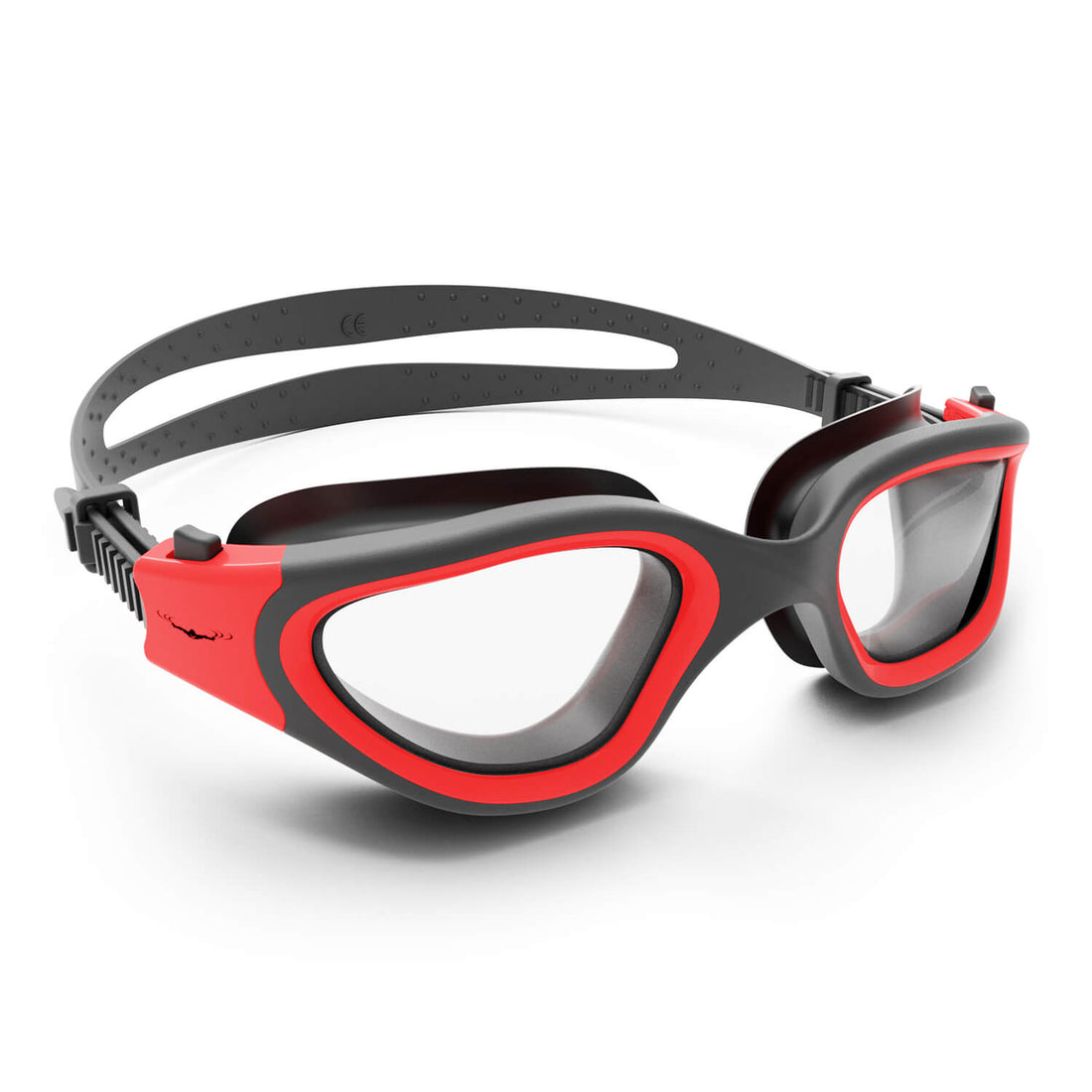
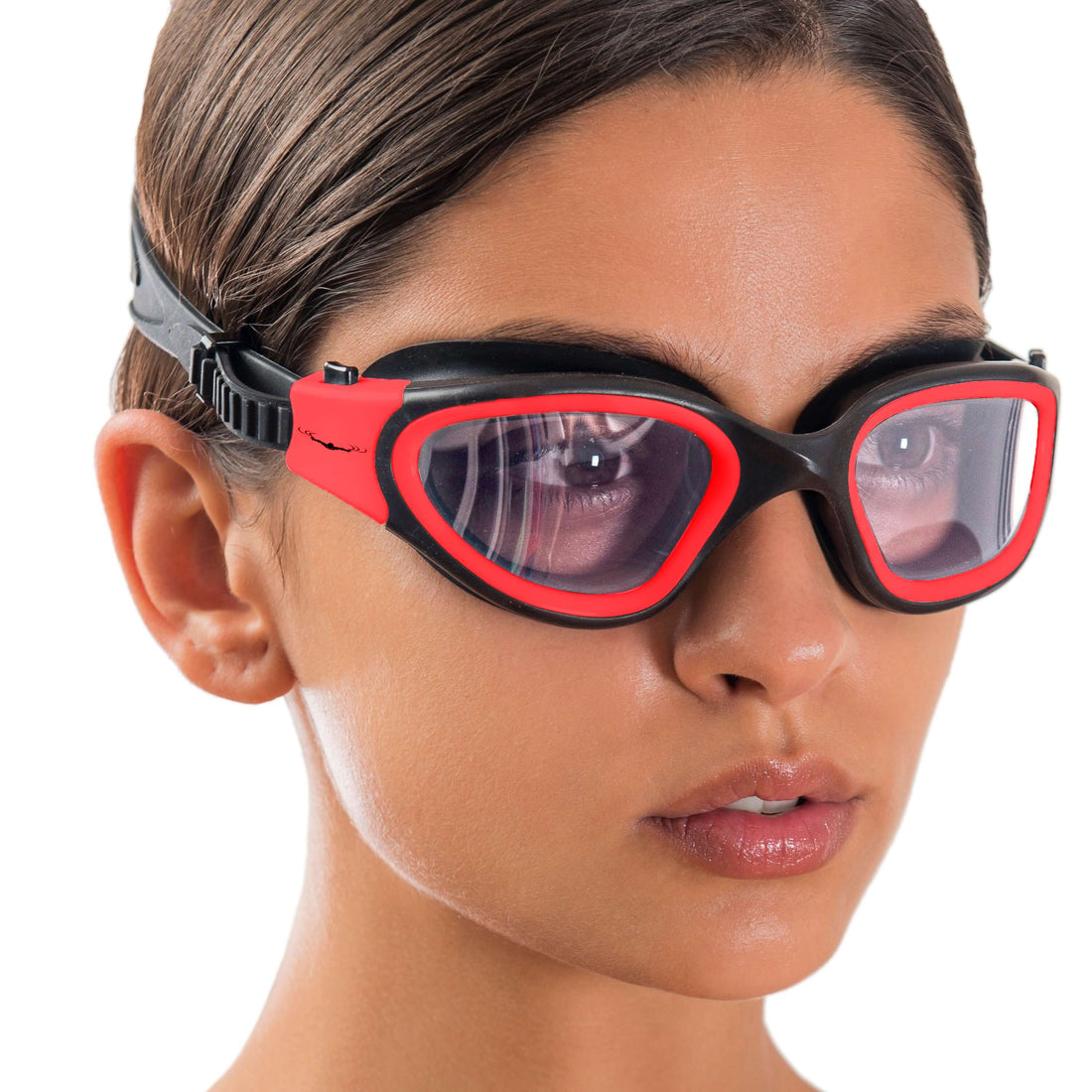
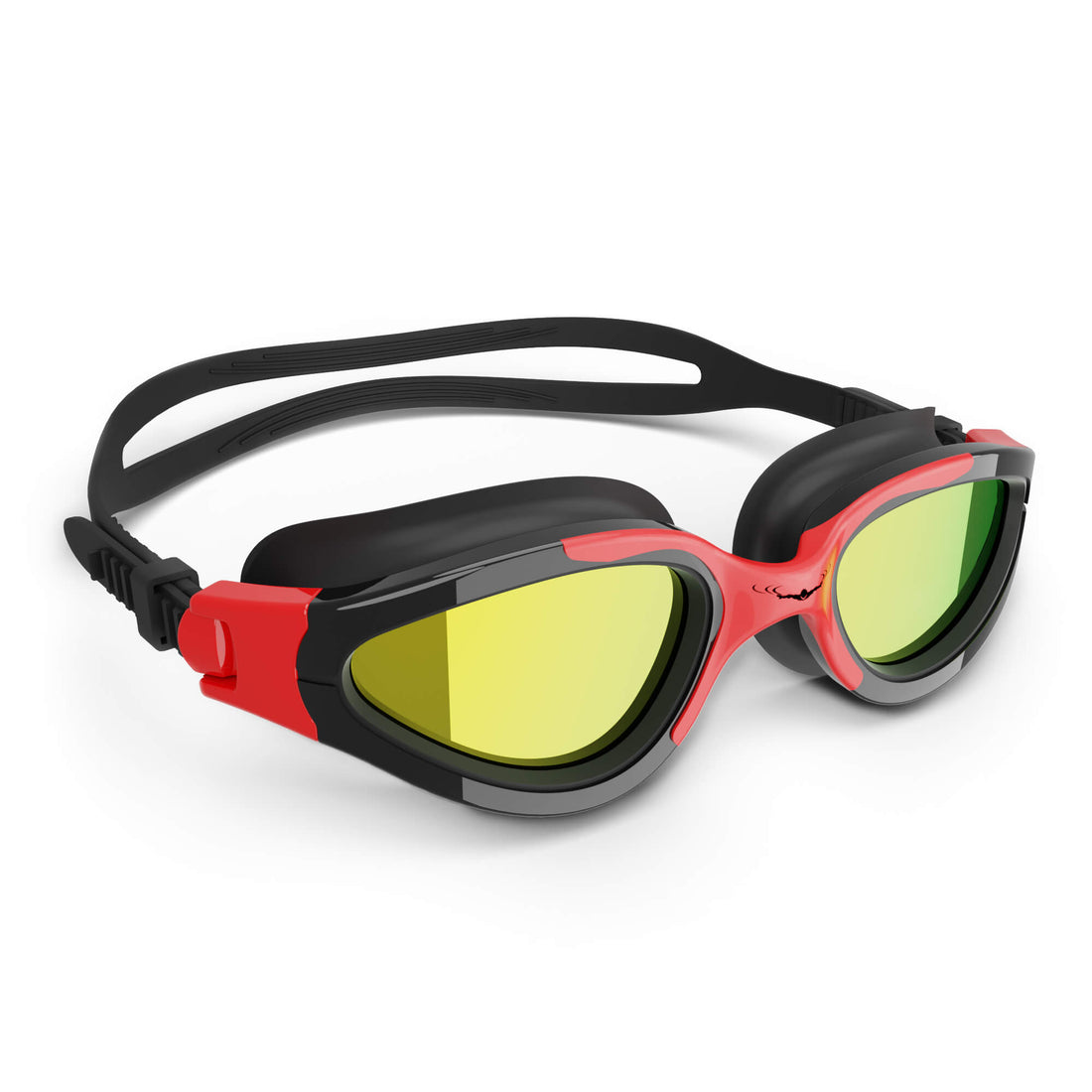
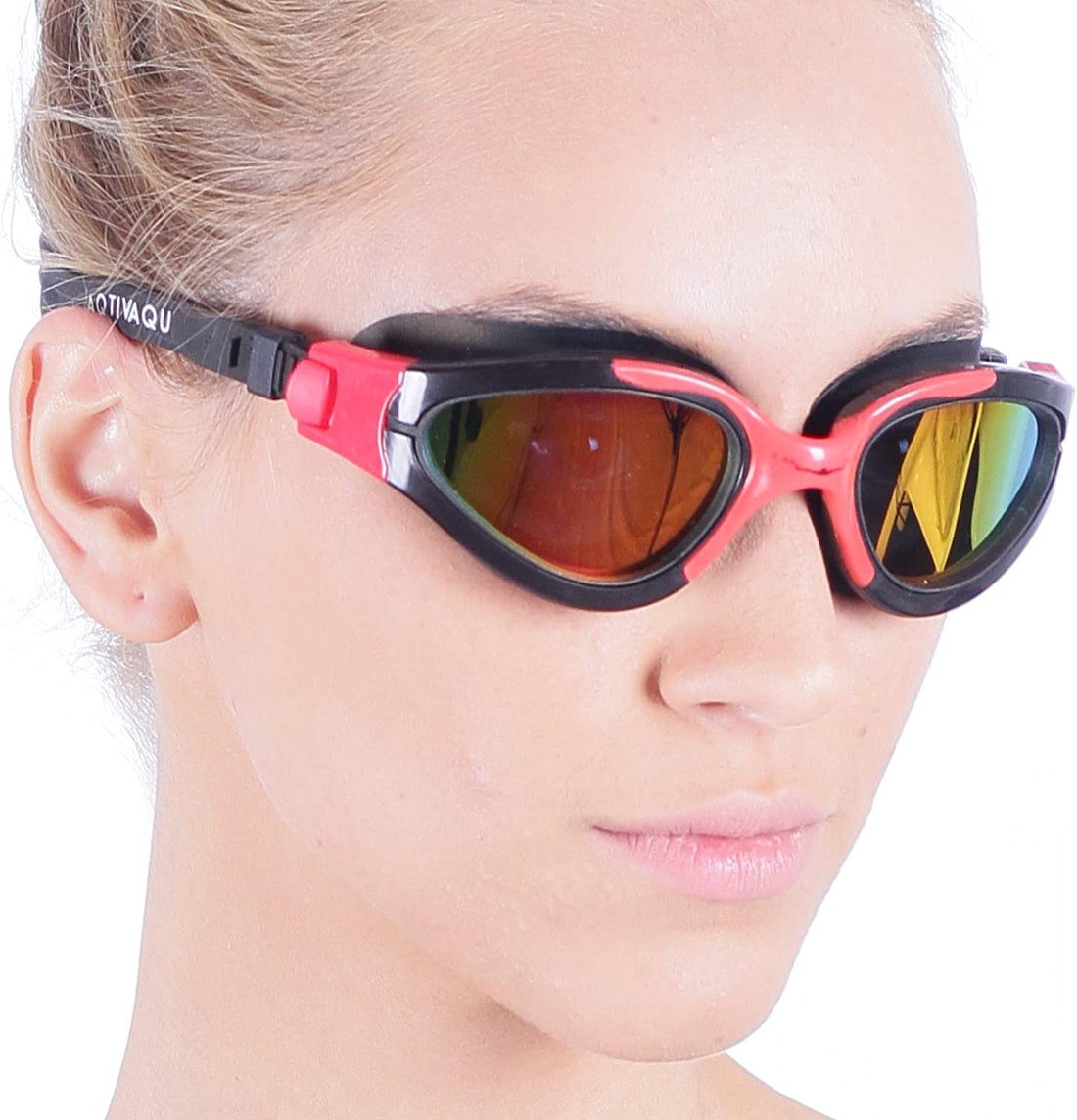
Your pool isn’t just about water; accessories play an important role in enhancing your swimming experience. Essentials like swimming goggles and swimming headbands not only increase comfort while swimming but also require maintenance to ensure they are in good condition.
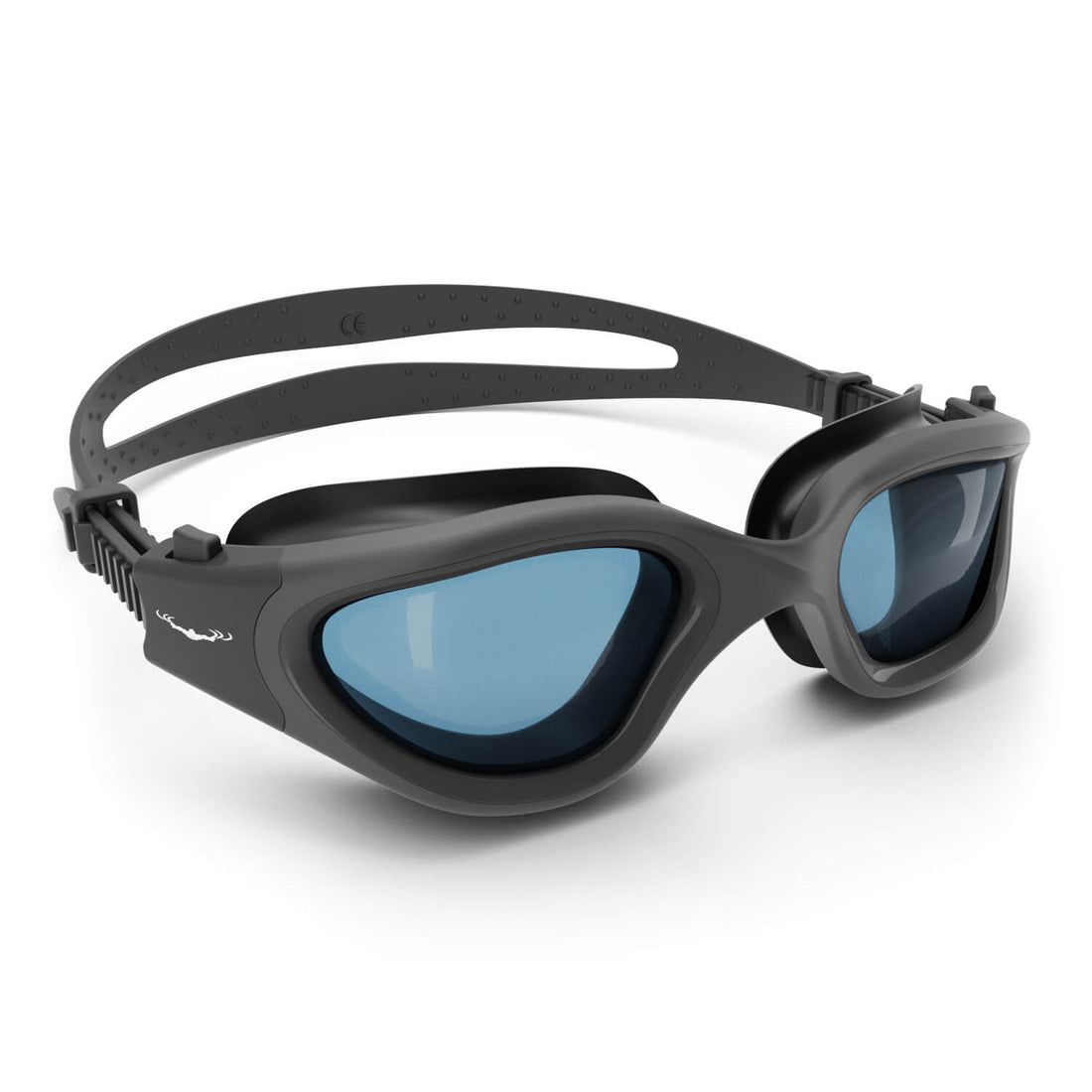
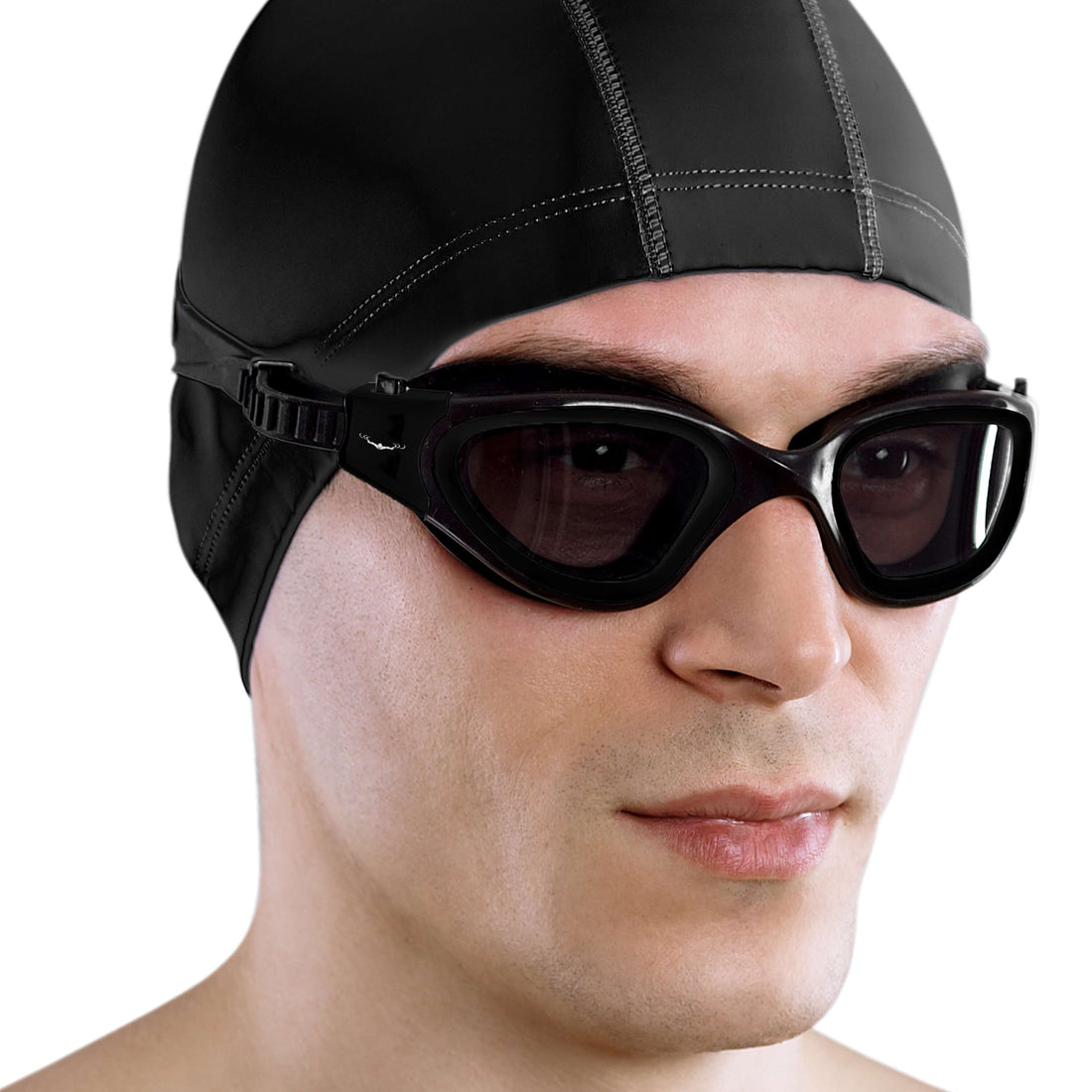
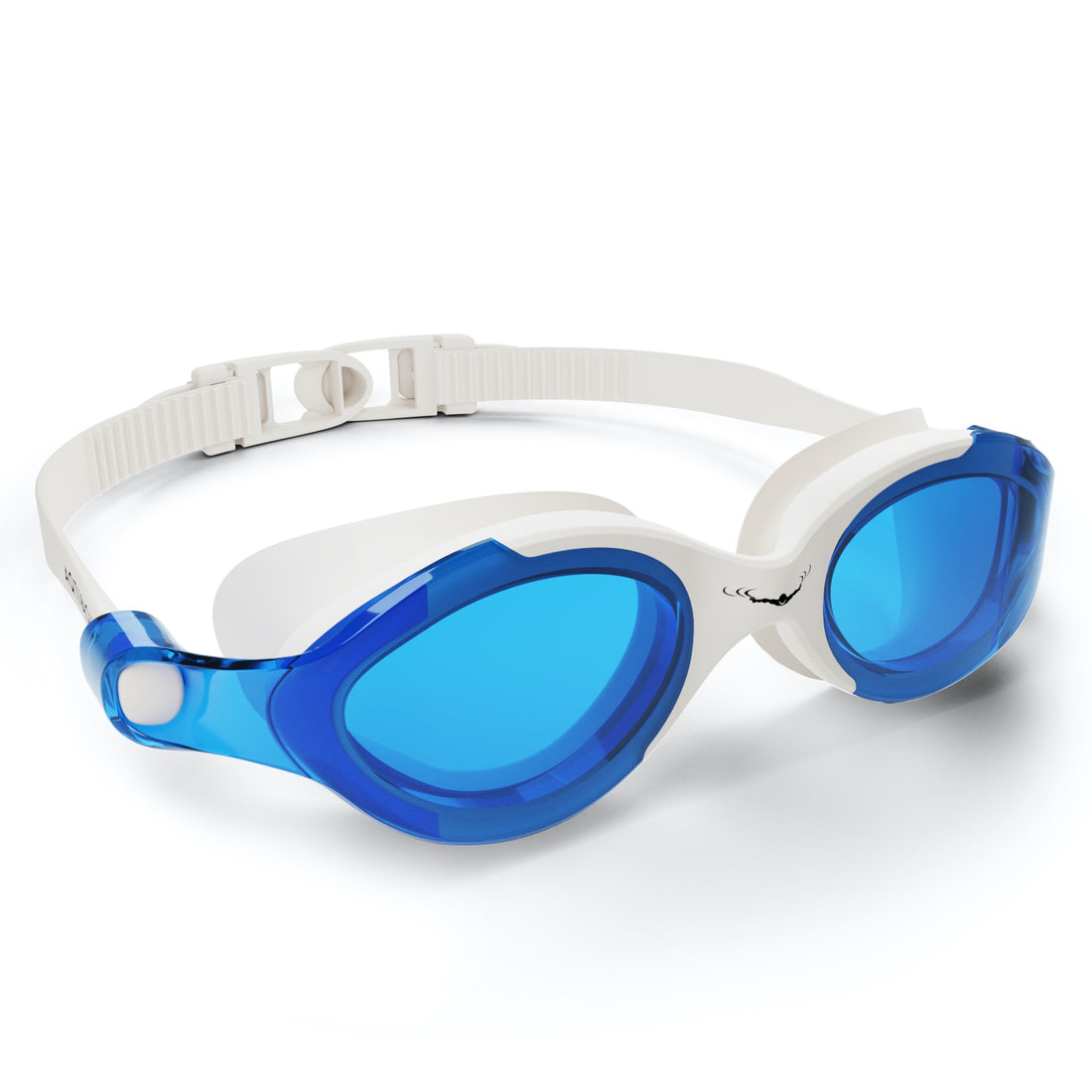
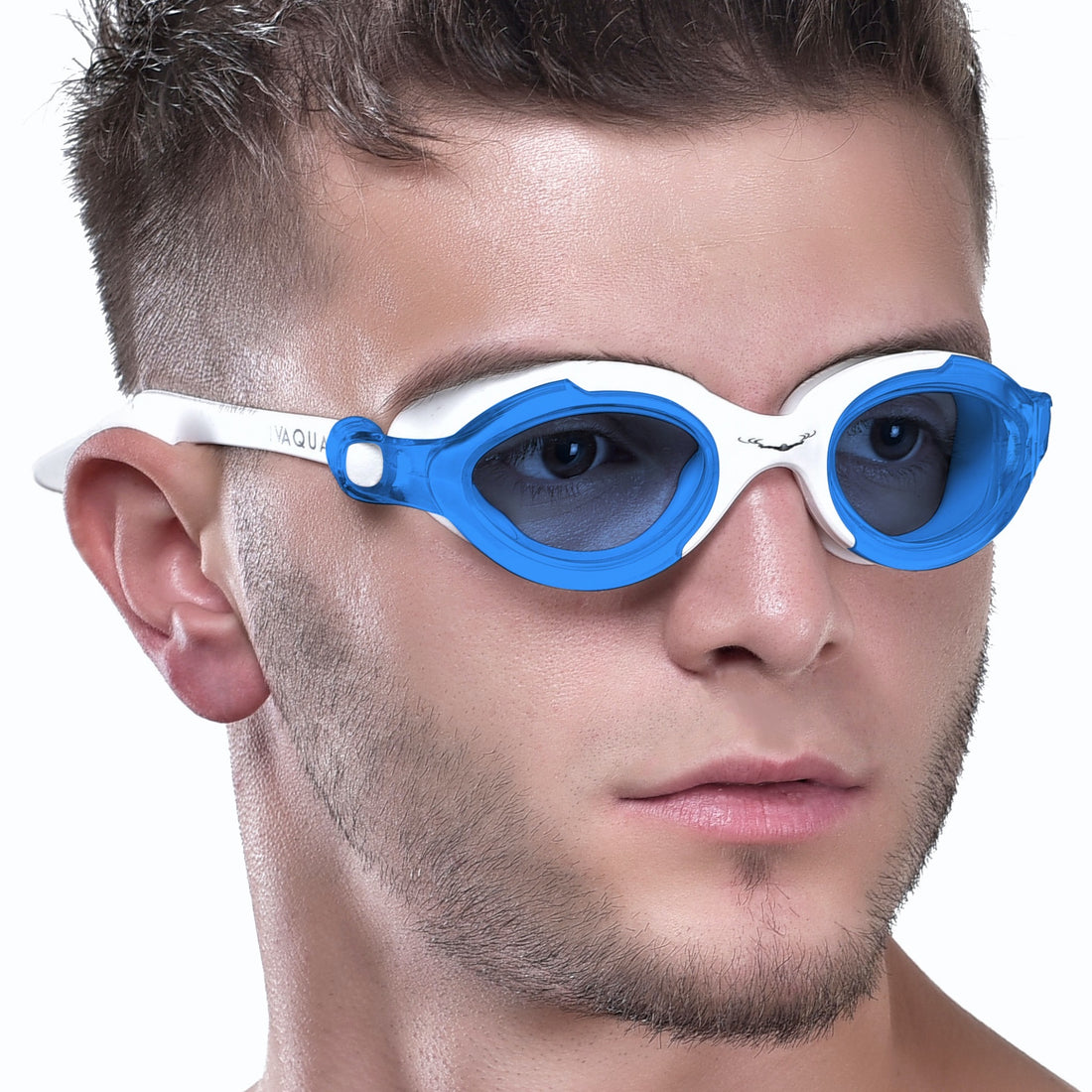
Maintaining Swimming Goggles
Goggles are essential for protecting your eyes while swimming. To prolong their life:
- Rinse them after use: This removes chlorine and other chemicals that can degrade the material.
- Avoid touching the inside of the lenses: This can scratch the surface and reduce visibility.
- Store them properly: Keep them in a cool, dry place away from direct sunlight.
Taking Care of Swimming Headbands
Swimming headbands help keep hair out of your face while swimming, which is particularly important for long-haired swimmers. To maintain them:
- Wash regularly: This prevents the build-up of chlorine and sweat, prolonging the life of the fabric.
- Dry properly: Ensure headbands are dried away from direct heat sources to avoid damaging the elastic.
- Store flat: Avoid folding them to prevent creases or damage.
Seasonal Maintenance Tasks
Annual maintenance is crucial for keeping your pool running smoothly year-round. Here are some key seasonal tasks to keep in mind:
- Opening the pool for summer: This includes removing the cover, inspecting your system, and balancing water chemistry.
- Closing the pool for winter: Properly clean and cover the pool, including checking for damage and ensuring all equipment is properly stored.
- Equipment maintenance: Inspecting the pumps, heaters, or chlorinators will help catch small issues before they become costly repairs.
Common Pool Problems And Solutions
Even with regular maintenance, issues can still arise. Here are some common pool problems and their solutions:
- Cloudy Water: This can be caused by dirt, algae, or improperly balanced chemicals. Adjust the chemicals, brush, and vacuum as needed.
- Algae Build-Up: Regular brushing and proper circulation can minimize algae growth. Use algaecides when needed.
- Pool Leaks: Monitor water levels. If water drops significantly, check for leaks in the liner or plumbing. Contact a professional if necessary.
Investing in Quality Pool Equipment
Having the right equipment can save you time and effort. Consider upgrading to high-quality filters, pumps, and automatic cleaners for enhanced efficiency. It can also help to invest in better accessories like durable swimming goggles and comfortable swimming headbands, ensuring that your swim is just as enjoyable as your pool maintenance.
Embrace A Swimming Lifestyle
Maintaining your swimming pool doesn’t have to be overwhelming! Follow these tips to keep your pool clean, safe, and enjoyable all season long. By implementing a routine and committing to regular maintenance, you’ll ensure your pool remains a refreshing oasis for sun-soaked days and fun-filled gatherings.
So, roll up your sleeves and dive into the world of pool maintenance! Remember, a well-maintained pool enhances your enjoyment, increases property value, and creates a safe haven for recreation and relaxation.
Frequently Asked Questions
1. What are the basic maintenance requirements for a swimming pool?
2. How often should I test my pool water?
3. What should I do if my pool water is cloudy?
4. How can I prevent algae build-up in my pool?
5. What seasonal maintenance tasks should I perform for my pool?
Glossary
| Term | Meaning |
|---|---|
| pH Levels | Measures acidity/alkalinity; ideal range is 7.2-7.6. |
| Alkalinity | Stabilizes pH levels in pool water. |
| Chlorine | Disinfects water and prevents algae growth. |
| Filtration System | Removes dirt and debris from pool water. |
| Skimmer | Catches debris before it reaches the filter. |
| Vacuuming | Removes debris from the pool floor. |
| Seasonal Maintenance | Tasks done annually to keep the pool functioning well. |
| Cloudy Water | Indicates poor water balance or debris presence. |
| Algae | Unwanted growth that requires brushing and treatment. |
| Pool Accessories | Items like goggles and headbands that enhance swimming experience. |
Linked Product

Neoprene Swimming Headband - Swim Ear Band Protection Cover - Hair Guard - Keep Ear Plugs IN
The Neoprene Swimming Headband provides effective ear protection by securely holding earplugs in place, making it ideal for individuals with ear tubes or perforated eardrums. It features a quick-dry design that keeps ears warm and hair out of the face while enhancing visibility in water with its bright colors. Available in three sizes, this headband is suitable for users of all ages, ensuring a comfortable and secure fit.
View Product